Smart Locks 101: Keyless Entry, Access Codes, and How They Integrate with Your System
Gurinder Khabnra • September 23, 2026
Smart Locks 101: Keyless Entry, Access Codes, and How They Integrate with Your System
Losing your keys, hiding a spare under a rock, wondering whether you locked the door after leaving. These are everyday annoyances that a smart lock can fix. A smart lock replaces or upgrades your existing deadbolt so you can unlock it with a code, a phone, or a fingerprint, and check its status from anywhere.
Most smart locks fit on a standard door and can be installed in a short time. Some replace the entire deadbolt, while others attach to the inside of the door and work with your existing lock and key. Brands like Yale offer a range of models, from simple keypad deadbolts to more advanced versions that connect to your network and your smart home system.
The way a lock connects matters.
Bluetooth locks work with your phone when you're nearby, which is convenient but doesn't allow remote control. Wi-Fi locks can be reached from anywhere, though they use more battery power. Locks that use Z-Wave or Zigbee are designed for low energy use and integrate well with home automation systems. A professional can help you choose the type that fits your setup.
One of the biggest benefits is access codes. Instead of handing out physical keys, you can give each person their own code. A dog walker's code can work only on weekdays. A contractor's code can expire when the job is done. A guest can get a temporary code for a weekend. If someone no longer needs access, you delete the code. There's no need to change the locks.
Smart locks can also keep track of activity. You can see when the door was locked or unlocked and by which code, and you can set the lock to engage automatically after a short time. Many people find that auto-lock alone gives them real peace of mind.
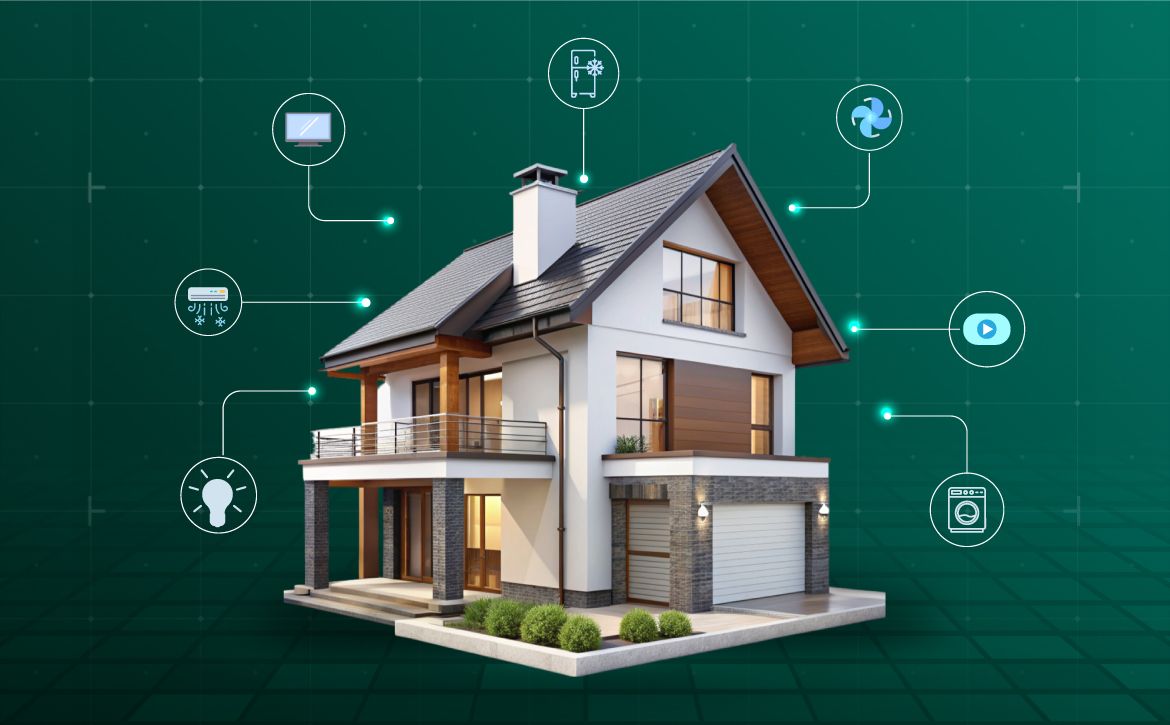
Where locks get really useful is in how they work with the rest of your system.
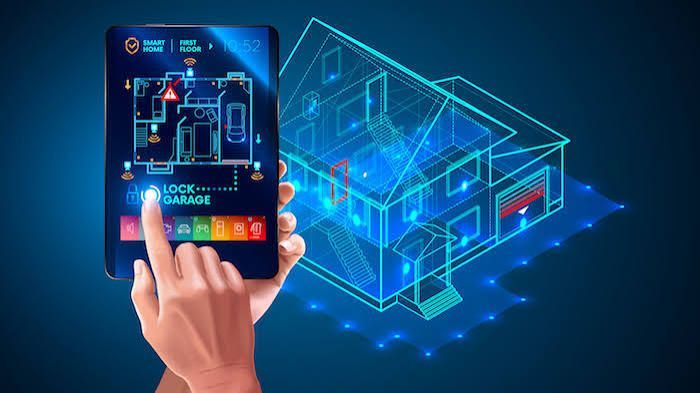
Unlocking the front door can trigger the entry lights to turn on and disarm the alarm. Pressing a Goodnight button can lock every door in the house at once. A camera can start recording when a door is opened at an unexpected time. These connected actions are hard to build with standalone products, but they come naturally with an integrated platform.
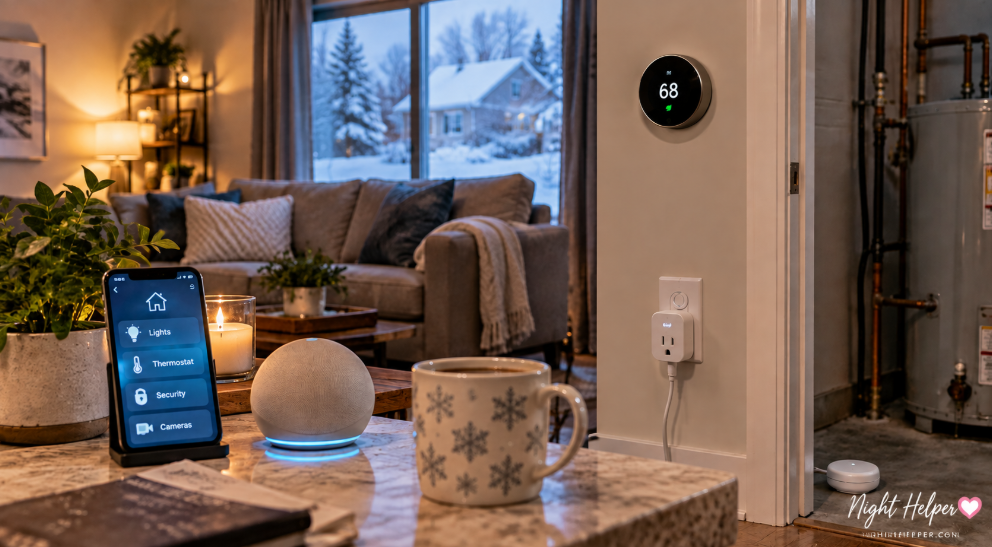
There are a few practical things to keep in mind. Locks run on batteries, and cold temperatures can shorten their life, so keep an eye on the battery level and change them before they run low. Choose a lock that includes a physical key or a backup option in case of a dead battery. And make sure the door itself is properly aligned, since even the best lock struggles on a sticky door.
For rental properties and vacation homes, smart locks are a game changer. You can manage guests, cleaners, and maintenance without ever being on site.