Wildfire Smoke Season: Using Air Quality Sensors and HVAC Automation
Gurinder Khabnra • October 24, 2026
Wildfire Smoke Season: Using Air Quality Sensors and HVAC Automation
For many Western Montana residents, late summer has become synonymous with smoke. Wildfires across the region and beyond can fill valleys with haze for days or weeks at a time. Smoke can affect outdoor plans and air quality inside the home, especially for children, older adults, and people with respiratory or heart conditions. While technology can't stop the smoke, it can help you understand and improve the air you breathe indoors.
Understanding indoor air quality
Wildfire smoke contains fine particles, often referred to as PM2.5, which are small enough to be inhaled deeply into the lungs. These particles can enter homes through open windows, doors, and gaps, as well as through ventilation systems that bring in outdoor air.
Without measuring, it's hard to know how much smoke is inside your home. Indoor air quality sensors provide that information.
Air quality sensors
Indoor air quality monitors measure particulate matter and, depending on the model, other factors like carbon dioxide, volatile organic compounds, humidity, and temperature. Many connect to an app, so you can see readings on your phone and receive alerts when levels rise.
Having sensors in key rooms, such as bedrooms and main living areas, helps you understand how smoke affects different parts of the home and whether your efforts to clean the air are working. Outdoor air quality information is also widely available, including from the EPA's AirNow service, so you can compare indoor and outdoor conditions.
HVAC automation
Your heating and cooling system can play a big role during smoke season. Many systems bring in fresh outdoor air through ventilation equipment. During heavy smoke, it often makes sense to reduce or pause outdoor air intake while running the system's fan to circulate indoor air through a filter.
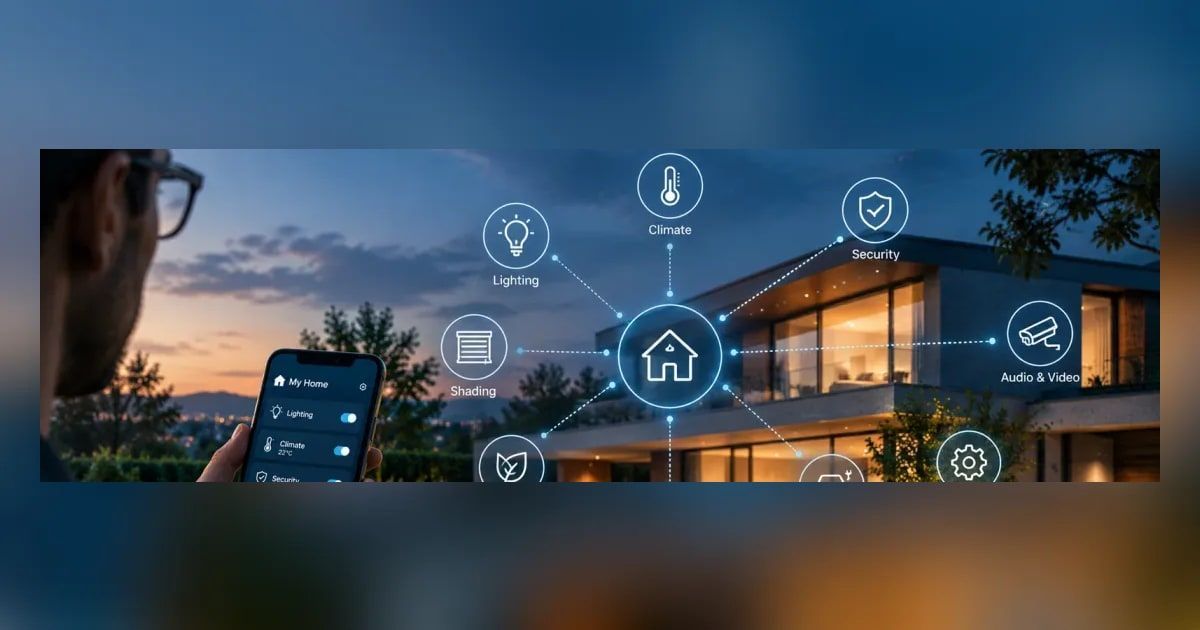
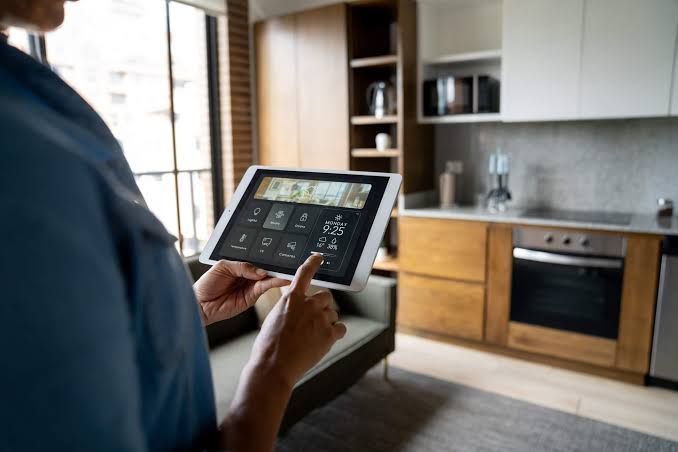
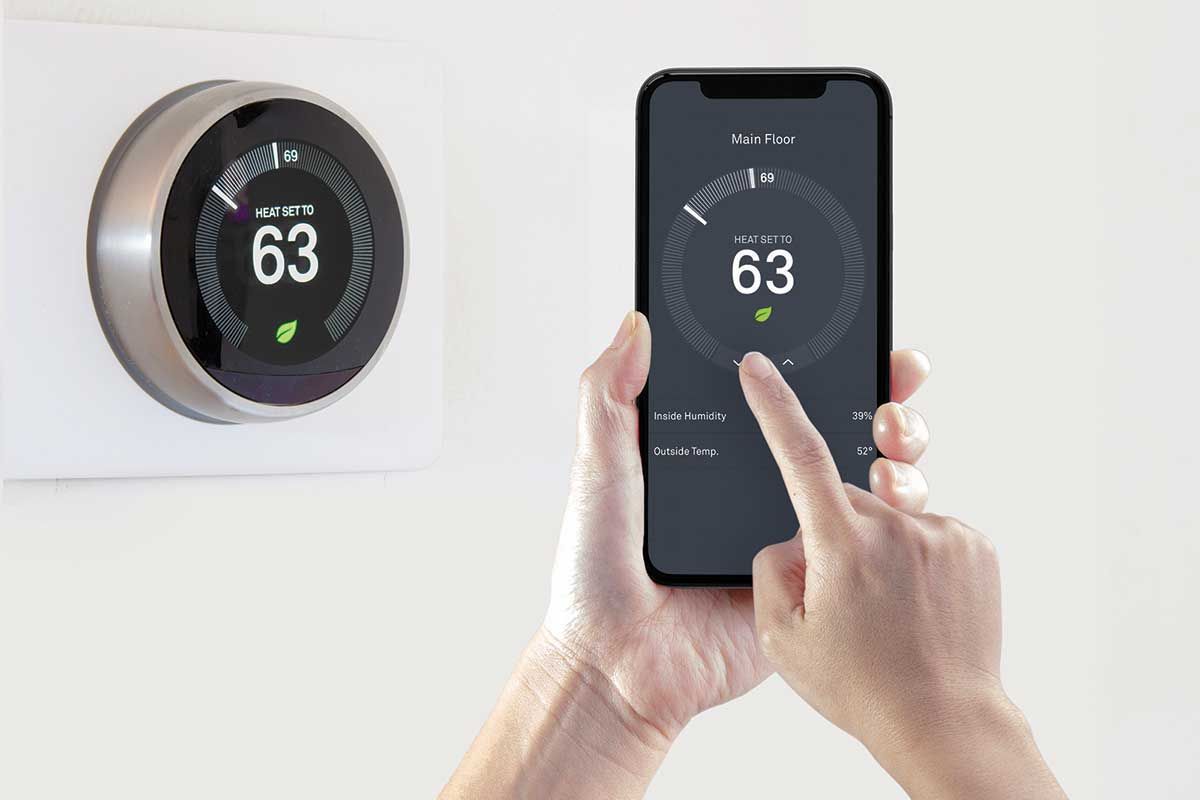
Smart thermostats and home automation systems can help manage this. Depending on your equipment, automation can respond to air quality readings by adjusting fan settings or ventilation. Some systems can switch modes automatically when outdoor air quality worsens. An HVAC professional should review your specific system to determine what's possible and safe.
Filtration
Filters in your HVAC system can capture smoke particles. Many health agencies, including the EPA, recommend using filters rated MERV 13 or higher during smoke events, if your system can accommodate them. Higher-rated filters can restrict airflow, so check with an HVAC professional before upgrading. Change filters more often during smoke season, since they can clog quickly.
Portable air purifiers with HEPA filters are another effective option, especially for bedrooms. Some can be connected to your smart home and turned on automatically when indoor air quality drops.
Creating a clean room
Health officials often recommend creating a clean room, a space in the home where indoor air is kept as clean as possible during smoke events. A bedroom with a portable air purifier, closed windows and doors, and an air quality sensor is a common approach.
Window and door awareness
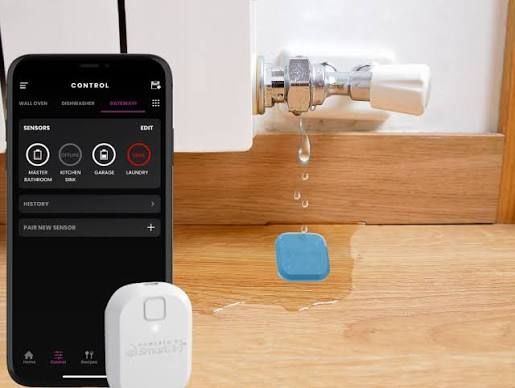
Smart sensors on windows and doors can tell you if something has been left open. During smoke season, an automation can alert you if a window is open when air quality is poor.
Keep comfort in mind
Closing up the house during hot summer days can make it uncomfortable. Motorized shades that close during the hottest part of the day can reduce heat gain and help keep the home cooler without opening windows.
Plan before the season
The best time to prepare is before smoke arrives. Install sensors, stock up on filters, review your HVAC settings, and set up automations in advance.
A smart home integrator and an HVAC professional can work together to help you monitor and manage indoor air quality, so your home stays a healthier refuge during smoke season.