How Professionally Monitored Alarm Systems Work (and When You Need One)
Gurinder Khabnra • September 23, 2026
How Professionally Monitored Alarm Systems Work (and When You Need One)
A security camera can show you what happened. An alarm system that's professionally monitored can actually do something about it. That difference is what makes monitored systems a popular upgrade for homeowners who want more than a notification on their phone.
The basic setup starts with sensors placed around your home. Door and window sensors detect when an entry point is opened. Motion detectors watch interior spaces. Glass break sensors listen for the sound of shattering glass. These devices report back to a central control panel, which acts as the brain of the system and is where you arm and disarm it.
When a sensor is triggered while the system is armed, the panel sounds a siren and sends a signal to a monitoring center.
Trained operators there receive the alert, and they typically try to verify it, often by calling you first. If they can't reach you or the situation looks real, they dispatch police, fire, or emergency medical services. All of this can happen within minutes, whether you're home, at work, or on vacation.
Communication is important. Modern systems usually rely on cellular connections rather than a phone line or internet alone, so the alarm can still call for help if a burglar cuts the phone line or your internet goes down. Panels from companies like Qolsys, paired with platforms like Alarm.com, combine security with smartphone control, video, and smart home features in one place.
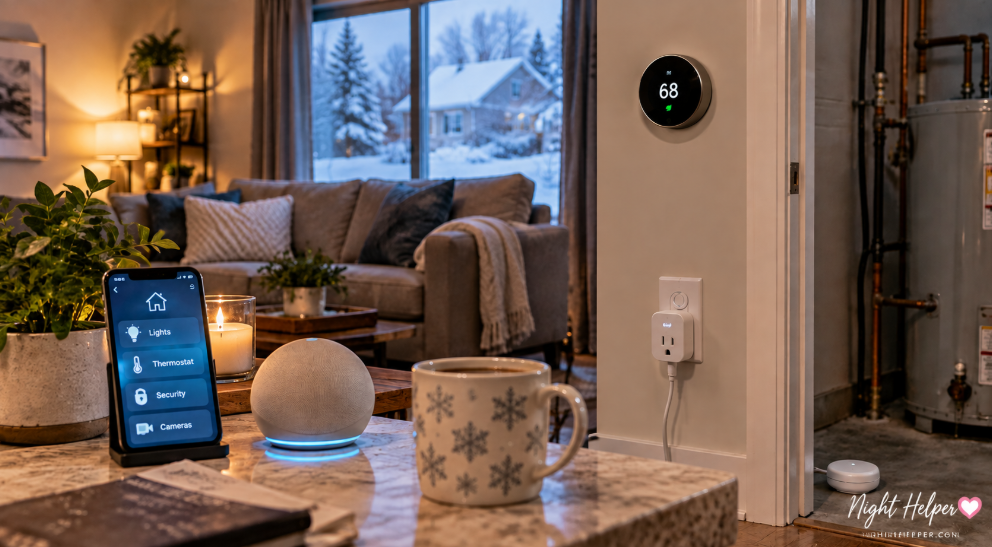
A good system protects against more than break-ins. Smoke and carbon monoxide detectors can be monitored so emergency responders are notified even if no one is home. Water leak sensors can catch a burst pipe or a failed water heater early. Freeze sensors can warn you when the temperature in a vacant home is dropping, which is a real concern in a Montana winter.
Professional monitoring comes with a monthly fee.
That's the main tradeoff compared to self-monitored systems. With self-monitoring, you receive alerts and decide what to do yourself. That works for some people, but it depends on you seeing the notification and acting quickly.
Monitored systems make the most sense in certain situations. If you're often away from home, own a second property, or live on a large rural lot where neighbors aren't close, professional monitoring adds a real safety net. It's also valuable for anyone who wants protection for family members at home. Some insurance companies offer discounts for monitored systems, so it's worth asking your provider.
The right setup depends on your home and how you live. A professional installer can walk through your property, recommend where sensors should go, and design a system that fits your needs without overcomplicating things.