Building Your Smart Home in Phases: Where to Start and What to Add Later
Gurinder Khabnra • October 24, 2026
Building Your Smart Home in Phases: Where to Start and What to Add Later
A fully automated home can feel like a big commitment. Lighting control, motorized shades, whole-home audio, cameras, security, and a professional network all add up. For many homeowners, doing everything at once isn't practical or necessary. The good news is that a smart home can be built in phases. With a good plan, you can start with the upgrades that matter most and add more over time without having to redo work.
Why a plan matters
The most important part of building in phases is having a plan from the start. Without one, you may end up with devices that don't work together, wiring that doesn't support future upgrades, or equipment that has to be replaced. A good integrator can help you map out the full vision, then decide what to do now and what to do later.
Phase one: the foundation
The foundation of any smart home is a reliable network. Nearly every smart device relies on it, and poor Wi-Fi is the source of many smart home problems. A professionally installed network with wired access points provides the coverage and capacity you'll need as you add devices.
If you're building or remodeling, the foundation also includes wiring. Running cable for speakers, TVs, access points, cameras, and shades while the walls are open costs far less than adding it later. Even if you don't install the equipment now, the wiring will be ready.
Phase two: the essentials
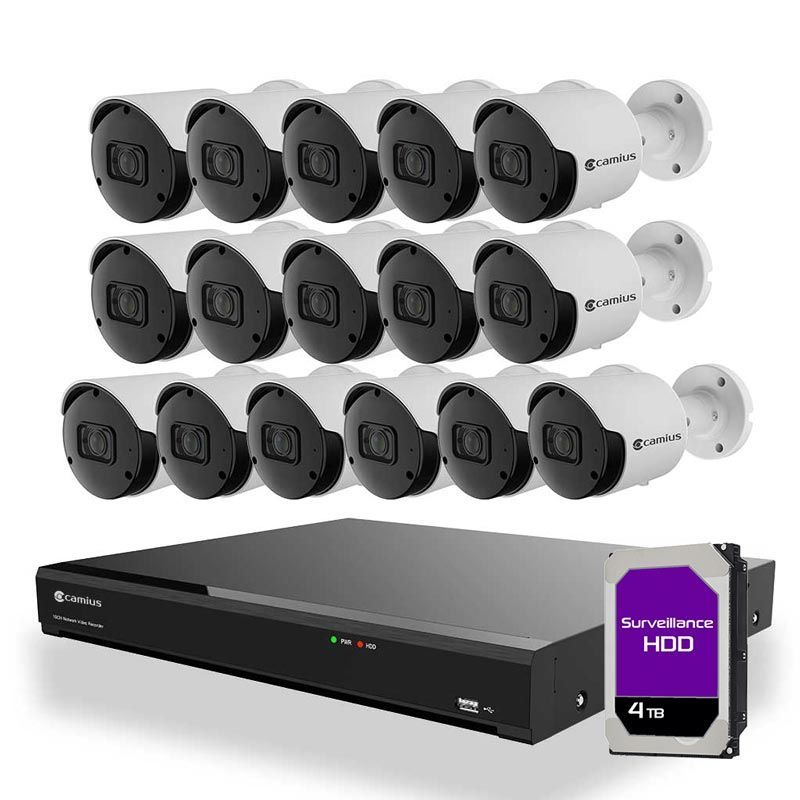
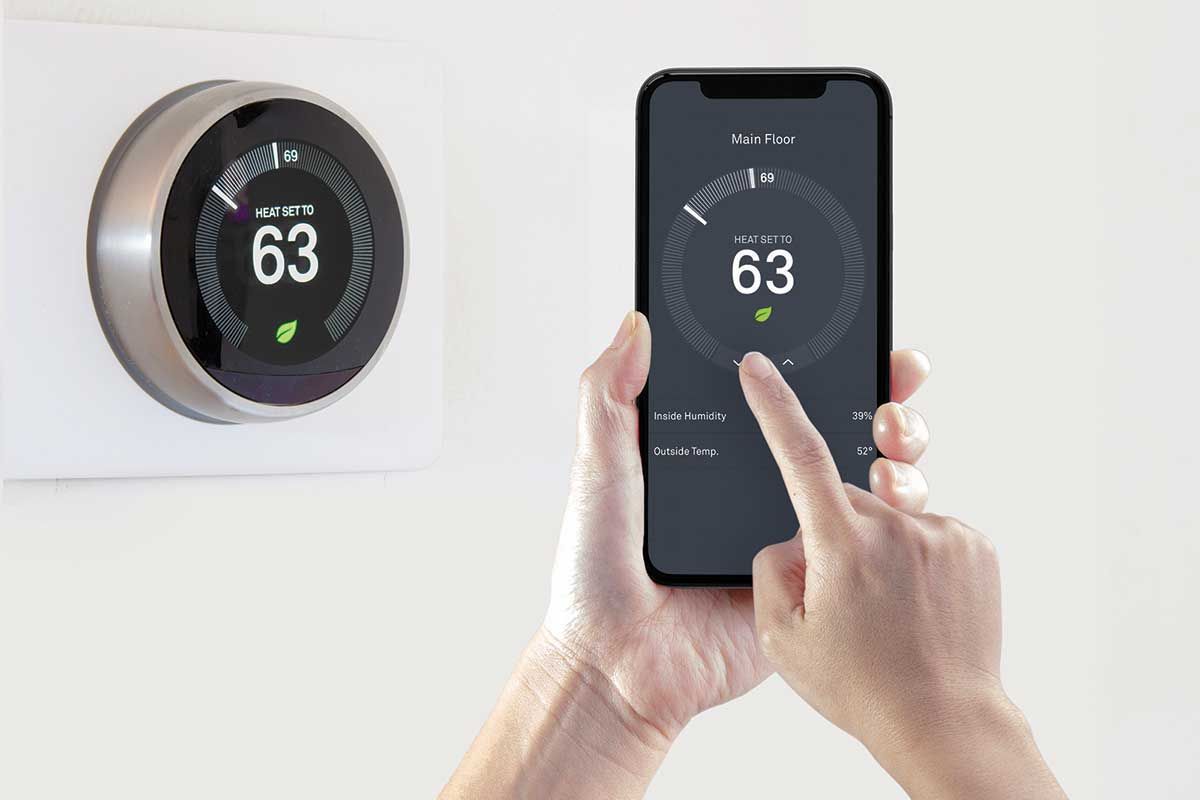
Once the network is in place, many homeowners start with security and convenience. Popular early upgrades include a video doorbell, smart locks, exterior cameras, and a smart thermostat. These provide immediate benefits and are relatively easy to install.
Entertainment is another common early priority. A great TV setup with good sound and a simple remote in the main living area is something the whole family uses every day.
Phase three: lighting and shades
Lighting control and motorized shades transform how a home feels. Lighting scenes make everyday life easier, and shades help with privacy, glare, and energy efficiency.
These systems can be added room by room. You might start with the main living areas and the primary bedroom, then add more rooms later. Choosing a lighting platform that can grow with your home is important.
Phase four: whole-home integration
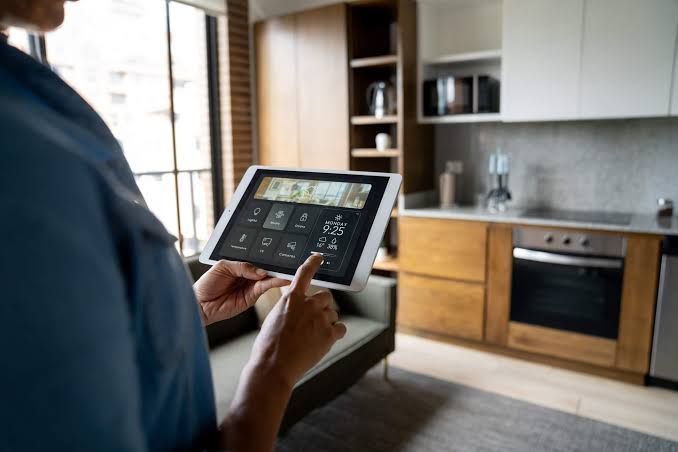
As more systems are added, a whole-home automation platform can bring them together. This is where scenes like "Goodnight," "Leaving," and "Movie" control lights, shades, audio, climate, and security with a single button.
Some homeowners start with an automation platform early and build out from there. Others add it later. Either can work, as long as the equipment chosen in earlier phases is compatible.
Later phases: the extras
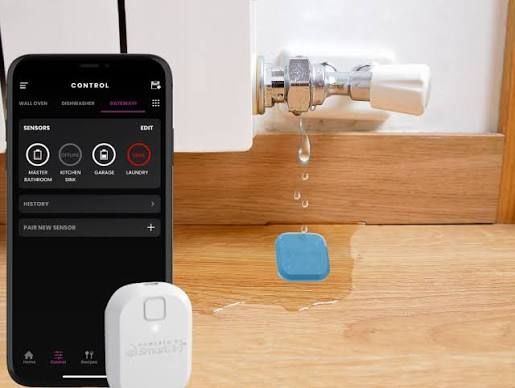
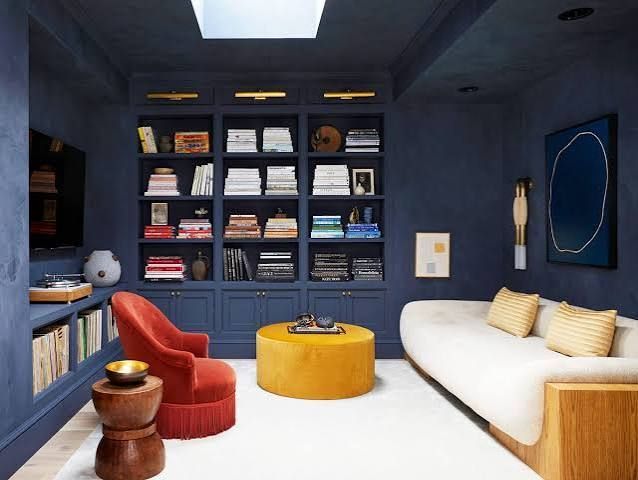
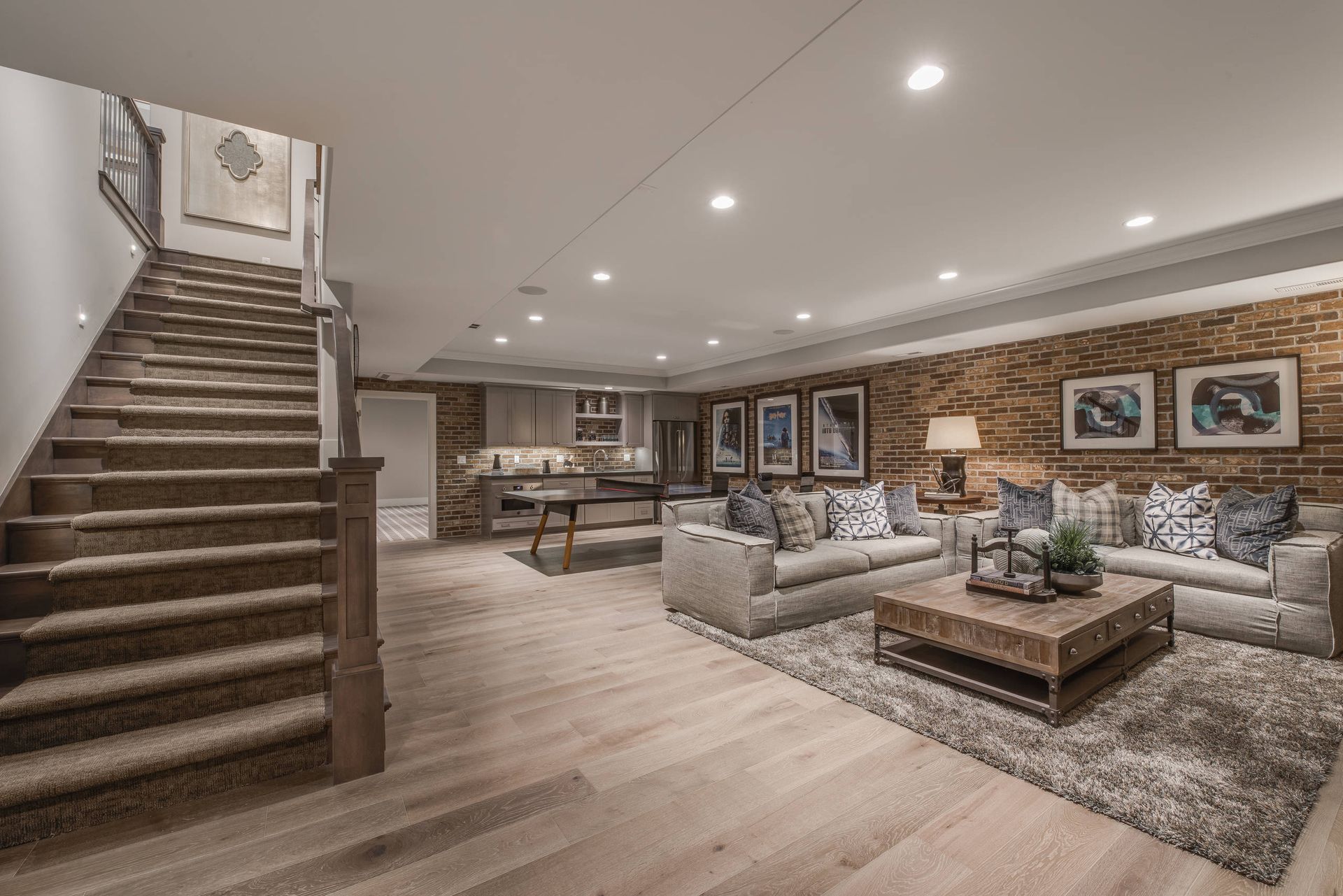
Once the core systems are in place, you can add features like whole-home audio, a media room or theater, landscape lighting and audio, leak detection, and more.
Choosing compatible equipment
The key to phased projects is compatibility. Choose platforms and devices that work together and can be expanded. Avoid buying devices that only work with a single app or require a separate hub for everything. Your installer can help you choose equipment that fits your long-term plan.
Budgeting over time
Building in phases makes the investment more manageable. You can spread costs over months or years and prioritize the features that matter most. Some installers also offer financing options.
Staying flexible
Plans change. Technology improves, family needs evolve, and new priorities come up. A phased approach gives you the flexibility to adjust as you go while still building toward a cohesive system.
A local smart home integrator can help you create a long-term plan, decide where to start, and make sure each phase builds on the last.