Protecting a Vacation Home or Second Property with Remote Monitoring
Gurinder Khabnra • September 23, 2026
Protecting a Vacation Home or Second Property with Remote Monitoring
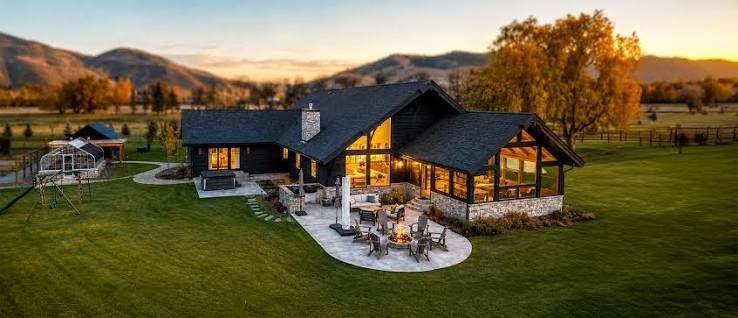
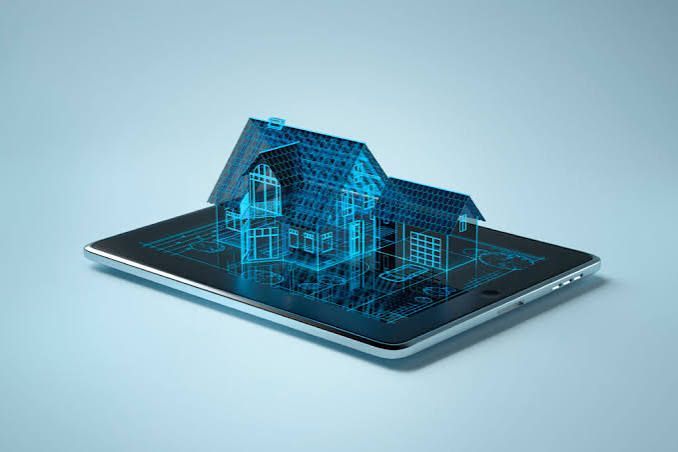
Owning a lake house, cabin, or second home in Western Montana is a great luxury, but it comes with a real worry. When you're not there, who's watching the place? A burst pipe, a break-in, or a power outage can go unnoticed for days. Remote monitoring closes that gap by keeping you informed and letting you act even when you're hundreds of miles away.
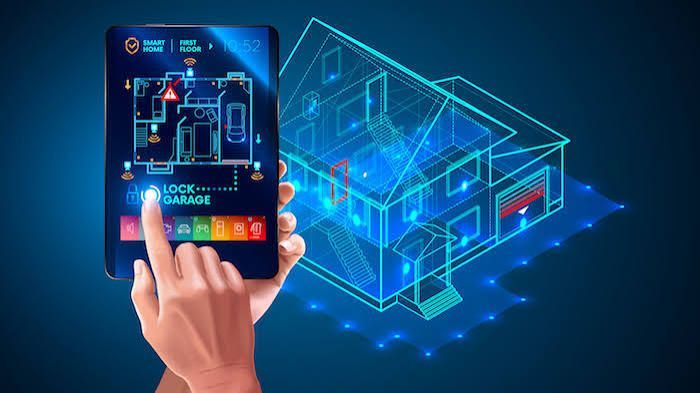
Start with security. Cameras at the entry points, driveway, and garage give you a live view and a record of who comes and goes. Motion alerts tell you when something's happening, and a professionally monitored alarm system can dispatch help if a door or window is opened. Deterrence is part of the value, since a visible camera and good lighting make a property a less attractive target.
Environmental monitoring is arguably even more important for a home that sits empty.
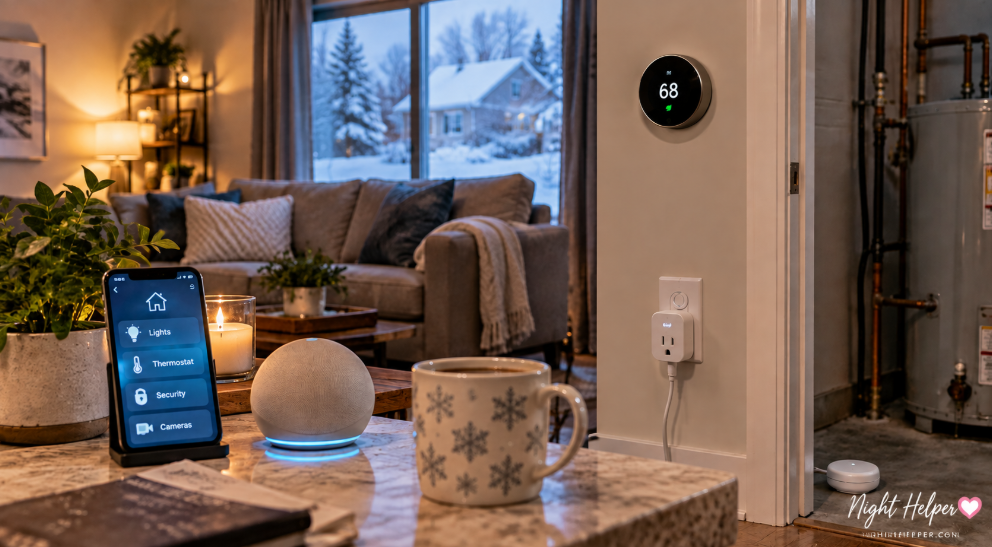
Water leak sensors placed near water heaters, under sinks, and by washing machines can send you an alert the moment a leak starts. In a home that's empty all winter, a small leak can cause thousands of dollars in damage before anyone notices. Temperature sensors can warn you if the heat fails and the house is approaching freezing, which gives you time to call someone before pipes are at risk.
A smart thermostat lets you keep the house at a safe, efficient temperature while you're away and warm it up before you arrive. Rather than heating an empty home all week, you can turn the heat up a few hours ahead of your trip. You walk into a comfortable house without paying to keep it that way the whole time.
Lighting and shades can make a home look lived in. Scheduled lights that turn on and off in a natural pattern discourage anyone who might be watching the property. Automated shades can also protect furniture from sun fading while you're gone.
Smart locks help with access. You can give a housekeeper, snow removal contractor, or property manager a code that only works when needed, and see when it's used. No mailing keys. No spare under the mat.
All of this depends on staying connected.
A reliable internet connection is the backbone of remote monitoring, and rural properties don't always have one. Ask about a backup connection, such as a cellular failover, so your cameras and sensors keep reporting if the primary service goes down. A battery backup for your network equipment can keep everything running through a short power outage, and you can set alerts for when power is lost.
The result is peace of mind. A well-designed system lets you check in on your property from your phone, get an alert if something changes, and know that your home is looking after itself until you get back.