Dedicated Theater vs. Media Room vs. Family Room Setup: Which Fits Your Home?
Gurinder Khabnra • October 24, 2026
Dedicated Theater vs. Media Room vs. Family Room Setup: Which Fits Your Home?
If you're thinking about bringing a better movie experience into your home, you'll quickly encounter a few terms: dedicated home theater, media room, and family room entertainment system. They're often used interchangeably, but they describe very different kinds of spaces. Understanding the differences can help you choose the right option for your home, budget, and lifestyle.
The dedicated home theater
A dedicated home theater is a room built for one purpose: watching movies and shows with the best possible picture and sound. These rooms typically have no windows, or windows that can be fully blacked out. Walls, ceilings, and doors are designed to control sound, both to keep it in and to improve how it sounds in the room. Seating is often arranged in rows, sometimes on risers, and everything faces the screen.
Dedicated theaters usually feature a projector and large screen or a very large display, along with a high-performance surround sound system that may include Dolby Atmos. Lighting is carefully designed, with dimmable lights and accent lighting.
The advantage is the experience. A well-designed theater can rival or exceed a commercial cinema. The trade-offs are cost and space. A dedicated theater requires a room that won't be used for anything else, and the construction, acoustic treatment, and equipment represent a significant investment.
The media room
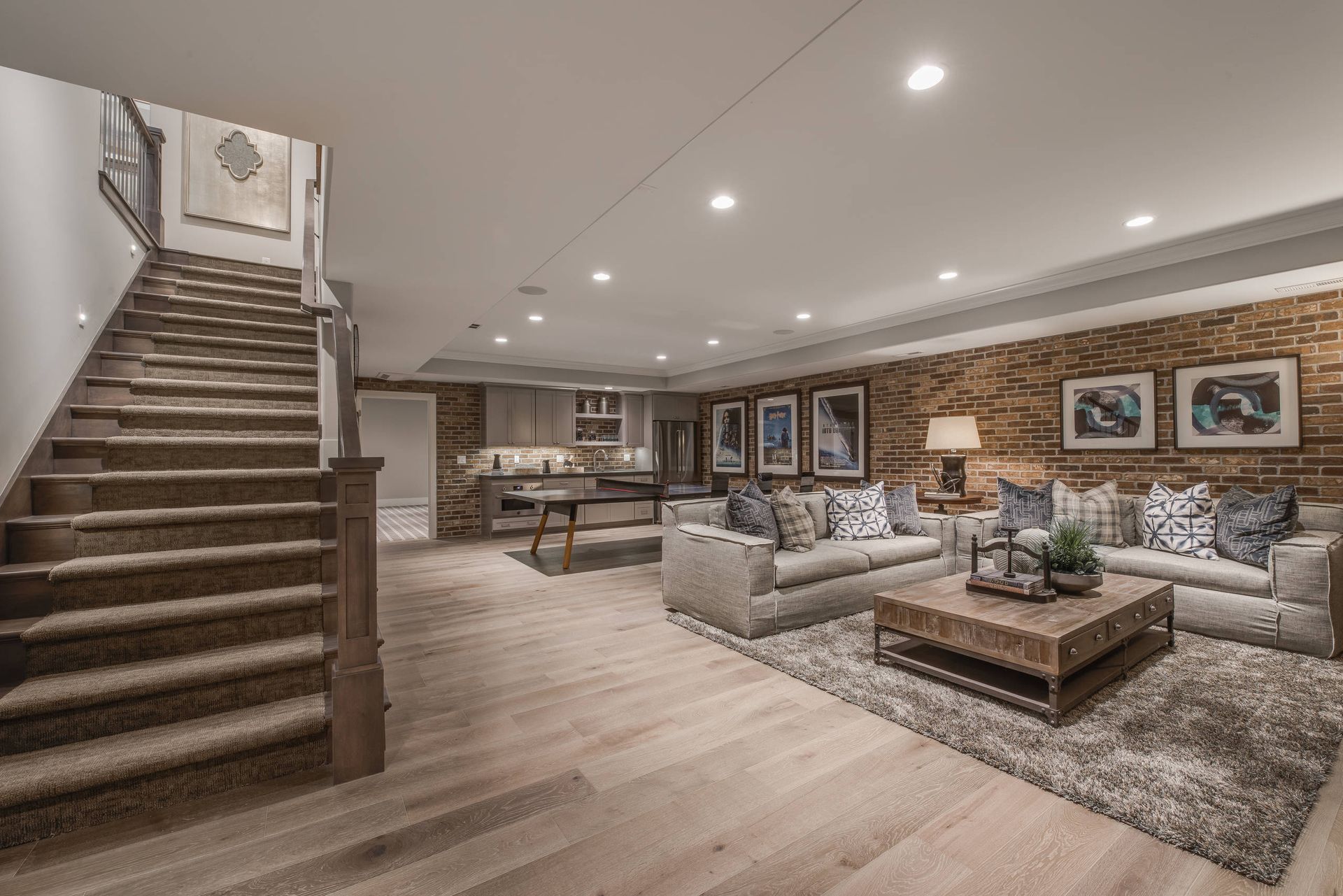
A media room is a multi-purpose space designed for entertainment but used for other things too. It might be used for movies, gaming, sports, music, and hanging out. Media rooms often have windows, more casual seating like sectionals, and a big TV or projector.
Media rooms usually include quality surround sound, often with in-wall or in-ceiling speakers. Motorized shades can darken the room for movies. Lighting scenes allow the room to change from bright and social to dim and cinematic.
The media room is often the sweet spot for families. It offers a great experience without dedicating a room exclusively to movies.
The family room setup
A family room setup brings better entertainment into the main living space. Here, the TV and sound system must fit into a room used for many purposes, and aesthetics are often a priority. The goal is great picture and sound without letting the technology dominate.
A family room setup might include a large TV, a soundbar or in-ceiling speakers, and a simple remote that controls everything. Equipment is often hidden in a cabinet or closet. Motorized shades can reduce glare during the day.
This option is the most accessible, and it's where most families spend the most time.
How to choose
Consider how often you watch. If movie nights are a weekly tradition and you want a truly cinematic experience, a dedicated theater may be worth it. If entertainment is one of many activities, a media room offers flexibility. If you simply want better picture and sound where you already spend your time, start with the family room.
Consider your space. Do you have a room, like a basement or bonus room, that could become a theater? Is your family room the heart of the home? The layout of your home often points to the right answer.
Consider your budget. Dedicated theaters require the largest investment. Media rooms vary widely depending on equipment and finishes. Family room systems can be scaled to fit almost any budget.
Consider resale and flexibility. A media room or family room setup appeals to a wide range of buyers. A dedicated theater appeals to many buyers too, but it is a more specialized space.
Many homes combine options
Some homes have a great family room system and a separate media room or theater downstairs. Others start with a family room setup and later build a theater as needs change.
A home theater professional can help you weigh the options and design a space that fits your home, your budget, and the way you like to watch.