Smart Thermostats and HVAC Zoning: Comfort in Every Room
Gurinder Khabnra • October 24, 2026
Smart Thermostats and HVAC Zoning: Comfort in Every Room
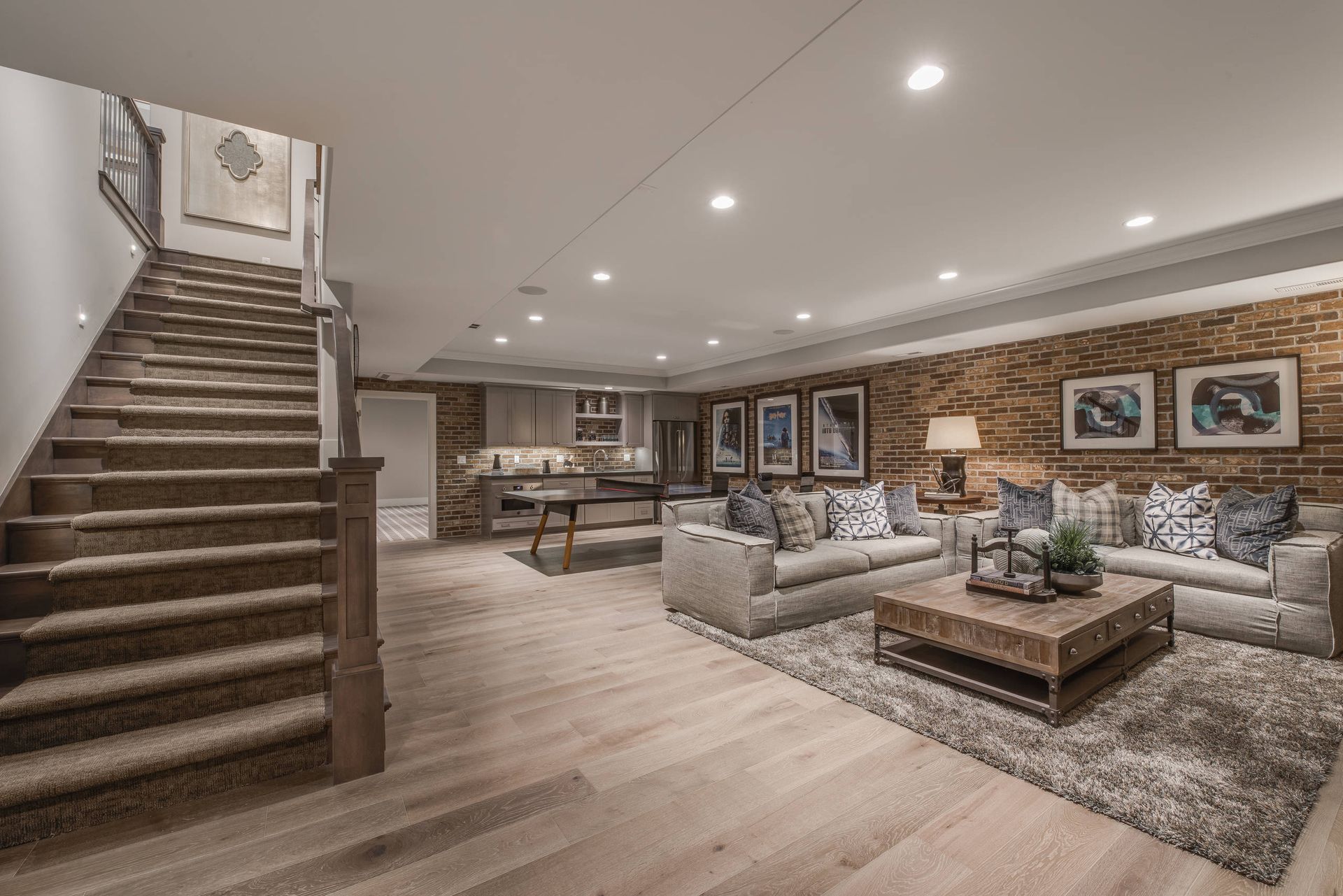
Most homes have at least one room that's always too hot or too cold. The upstairs bedroom that bakes in the summer, the basement that never warms up, the great room with tall windows that feels drafty in January. A single thermostat in a hallway can't account for all of these differences. Smart thermostats and HVAC zoning can help you achieve comfort in every room while using energy more efficiently.
What a smart thermostat does
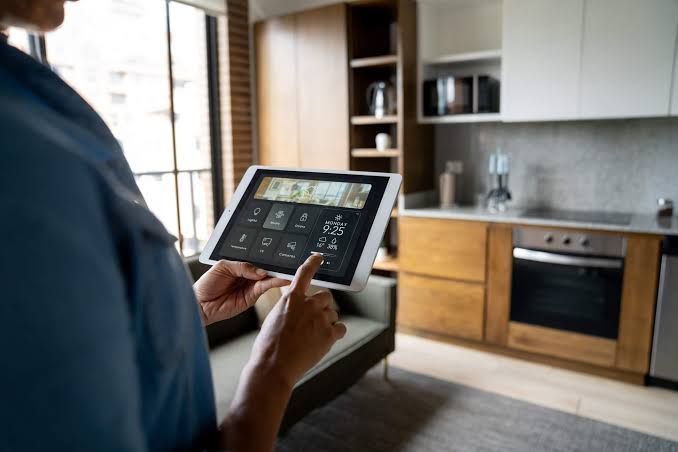
A smart thermostat goes beyond a programmable thermostat. It connects to your home's Wi-Fi, so you can adjust the temperature from your phone. Many learn your schedule over time and adjust automatically. Others use your phone's location to know when you're away and when you're heading home.
Some smart thermostats can use remote room sensors. Instead of reading the temperature only at the thermostat, they measure temperature in other rooms and adjust based on the rooms that matter most at a given time, such as bedrooms at night.
Smart thermostats also provide energy reports, maintenance reminders like filter changes, and alerts if the temperature in your home goes outside a set range. That last feature is especially valuable in Montana, where a heating failure during a cold snap can lead to frozen pipes.
What HVAC zoning does
Zoning divides your home into separate areas, each with its own thermostat. Motorized dampers in the ductwork open and close to send heated or cooled air where it's needed. Some homes use separate HVAC systems for different zones. Others use ductless mini-split systems that provide independent control of individual rooms.
Zoning allows you to keep the bedrooms cooler at night while the living areas are warmer during the day, or to avoid heating rooms that aren't being used.
Benefits of zoning
Comfort is the main benefit. Each area can be set to the temperature you want. Energy efficiency is another. By heating and cooling only the spaces in use, you may reduce energy consumption. Zoning is especially helpful in larger homes, multi-story homes, and homes with rooms that have very different sun exposure.
Integration with your smart home
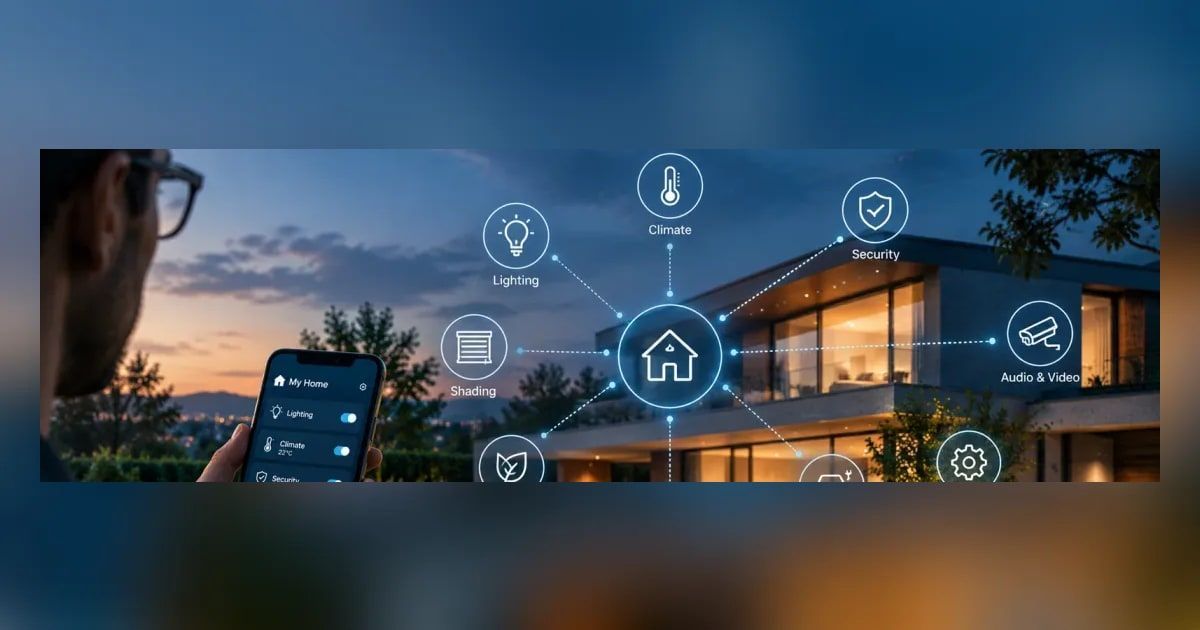
Smart thermostats can be integrated with whole-home automation systems. That allows climate control to be part of scenes and routines. A "Leaving" scene can set back the temperature, a "Goodnight" scene can adjust bedroom temperatures, and a "Vacation" mode can keep the house at a safe minimum temperature.
Climate can also work with motorized shades. Shades can close during the hottest part of the day to reduce heat gain, or open on sunny winter days to let in warmth.
Radiant floor heating
Many Montana homes use radiant floor heating, which offers excellent comfort but responds slowly to changes. Thermostats designed for radiant systems account for this. If you have radiant heat, make sure any smart thermostat is compatible.
Choosing the right system
Not every thermostat works with every HVAC system. Compatibility depends on your heating and cooling equipment and the wiring available. Some smart thermostats require a common wire for power. Systems with multiple stages, heat pumps, or radiant heat may have specific requirements.
Zoning typically requires work on the HVAC system itself, including ductwork and dampers. It's best done with an HVAC contractor, ideally during construction or an equipment replacement.
Working together
A smart home integrator and an HVAC contractor can work together to choose thermostats and zoning that fit your home, integrate them with the rest of your smart home, and make sure everything is easy to use.
With the right system, every room can be comfortable, and you can manage it all from anywhere.