Securing Rural Property: Cameras for Long Driveways, Gates, Barns, and Shops
Gurinder Khabnra • October 24, 2026
Securing Rural Property: Cameras for Long Driveways, Gates, Barns, and Shops
Rural living has many advantages: space, privacy, quiet, and room for horses, equipment, and projects. It also comes with unique security challenges. Properties are spread out, buildings can be hundreds of feet from the house, and the nearest neighbor might be out of sight. In much of Western Montana, from the Bitterroot to the Flathead, those challenges are part of everyday life.
A well-designed camera system can help you keep an eye on your entire property, not just the front door.
Start with the driveway
On a rural property, the driveway is often the first and best place to detect visitors. A camera positioned to capture vehicles as they enter gives you an early heads-up and a record of who came and went. For long driveways, it's worth considering a camera near the entrance and another closer to the house.
Some cameras are designed specifically to capture license plates. These typically require careful placement, the right lens, and good lighting at night. A general-purpose camera may show that a car arrived but not capture readable plate details.
Driveway alerts, such as sensors that detect vehicles, can send a notification to your phone when someone turns in. Combined with a camera, you'll know when someone is coming and can see who it is.
Gates and entry points
If your property has a gate, a camera there can capture visitors and deliveries. Many gate systems can be integrated with intercoms or video doorbells, so you can see and talk to someone at the gate and open it remotely. That's convenient for deliveries, guests, and contractors.
Barns, shops, and outbuildings
Outbuildings often contain valuable equipment, tools, vehicles, and animals. Cameras on barns and shops help you monitor activity, watch animals, and protect your investment. Inside a barn, cameras can let you check on livestock without walking out in the cold.
Getting a reliable connection to outbuildings
The biggest challenge on rural properties is connectivity. Wi-Fi from the house rarely reaches a barn or shop a few hundred feet away. There are a few solutions. Buried network cable, often run in conduit, provides the most reliable connection, and fiber can cover longer distances. Point-to-point wireless bridges can send a strong signal between buildings with line of sight. Each outbuilding can then have its own network switch or access point to support cameras and Wi-Fi.
Wired cameras that use Power over Ethernet, or PoE, are often the best choice for permanent installations. A single cable provides both power and data, and the connection is more reliable than Wi-Fi.
Night vision and lighting
Rural properties are dark at night. Cameras with good low-light performance or infrared night vision are essential. Some cameras offer color night vision with small built-in lights. Motion-activated lighting can also help cameras capture clearer images while deterring intruders.
Weather and wildlife
Cameras need to withstand Montana weather, including cold, snow, wind, and summer heat. Choose outdoor-rated cameras and mount them where snow and ice won't obstruct the lens. Wildlife can trigger motion alerts, so cameras with smart detection that can distinguish people and vehicles from animals help reduce false alarms.
Recording and remote viewing
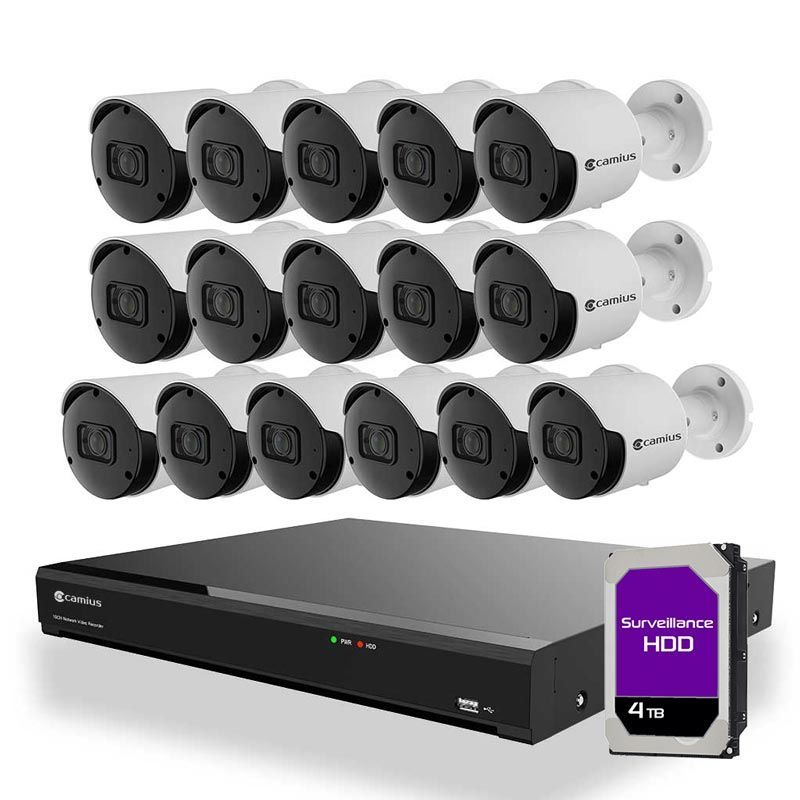
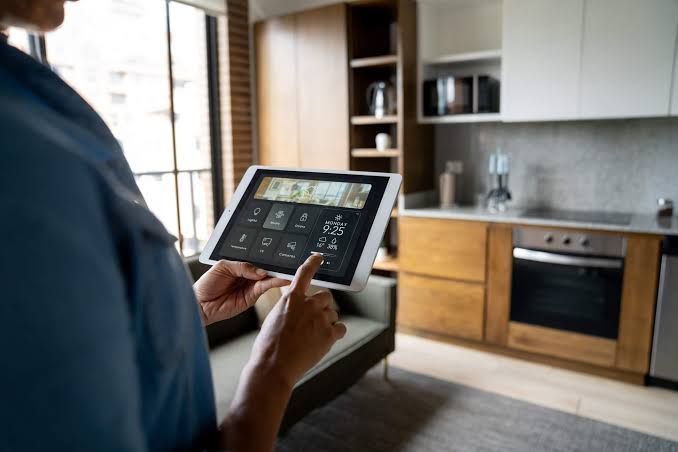
A network video recorder, or NVR, stores footage locally so you have a record even if the internet goes down. Remote access through an app lets you check your property from anywhere, which is especially helpful if you travel or own a second home.
Rural properties need a plan, not just a few cameras. A professional installer can walk your property, identify the most important views, and design a system that covers it reliably from the gate to the barn.