Battery-Powered vs. Hardwired Motorized Shades: Which Should You Choose?
Gurinder Khabnra • October 24, 2026
Battery-Powered vs. Hardwired Motorized Shades: Which Should You Choose?
Motorized shades are one of the most popular smart home upgrades. They make it easy to control light, privacy, and temperature, and they look clean without cords hanging down. Once you decide to go motorized, one of the first questions you'll face is how to power them. You have two main options: battery-powered or hardwired. Each has advantages, and the right choice often depends on your home and your project.
How hardwired shades work
Hardwired shades are connected to your home's electrical system or to a low-voltage power supply. Wires run from each shade location back to a power source, often a central panel. Because they're always connected, they never need batteries changed or recharged.
Hardwired shades are generally considered the most reliable option. They're well suited to larger shades, heavy fabrics, and windows that are hard to reach. They're also a good choice when shades will be used frequently, such as in a room where automation raises and lowers them several times a day.
The main drawback is installation. Running wires to each window is easiest during new construction or a major remodel, when walls are open. In a finished home, adding wiring can require opening drywall, which adds cost and disruption.
How battery-powered shades work
Battery-powered shades have a battery pack built into the shade or mounted nearby. They don't require any wiring, so they can be installed in an existing home with minimal disruption. That makes them a popular choice for retrofits.
Modern battery-powered shades are more capable than they used to be. Many last a year or more between battery changes with typical use, though the actual life depends on the size of the shade, how often it moves, and the temperature. Some use rechargeable battery packs, and some can be paired with small solar panels that keep the battery topped up.
The trade-off is maintenance. Batteries will need to be replaced or recharged eventually. For a shade at eye level, that's easy. For a shade on a window twenty feet up, it's a bigger task.
Comparing reliability and performance
Both options can work well when properly installed. Hardwired shades have the edge in long-term reliability and ease of ownership because there are no batteries to manage. Battery shades are very reliable for most homes but may be less ideal for very large or heavy shades, or for shades that move many times a day.
Cold temperatures can also affect battery performance. In unheated spaces or windows exposed to Montana winters, it's worth discussing battery life with your installer.
Comparing cost
Battery-powered shades often cost less to install in an existing home because there's no electrical work. Hardwired shades may cost less overall in new construction, where running wire is simple, and they avoid the long-term cost of batteries.
Which one is right for you?
If you're building a new home or doing a major remodel, hardwired shades are usually the better choice. Plan for them early, and have your installer run wires to every window where you might want shades, even if you don't install them all right away.
If you're adding shades to an existing home and don't want to open walls, battery-powered shades are an excellent option. They deliver most of the benefits of motorization with much less disruption.
Many homes end up with a mix. Hardwired shades go in the main living areas or high windows, where wiring is practical, and battery shades go in bedrooms or rooms added later.
Integration with your smart home
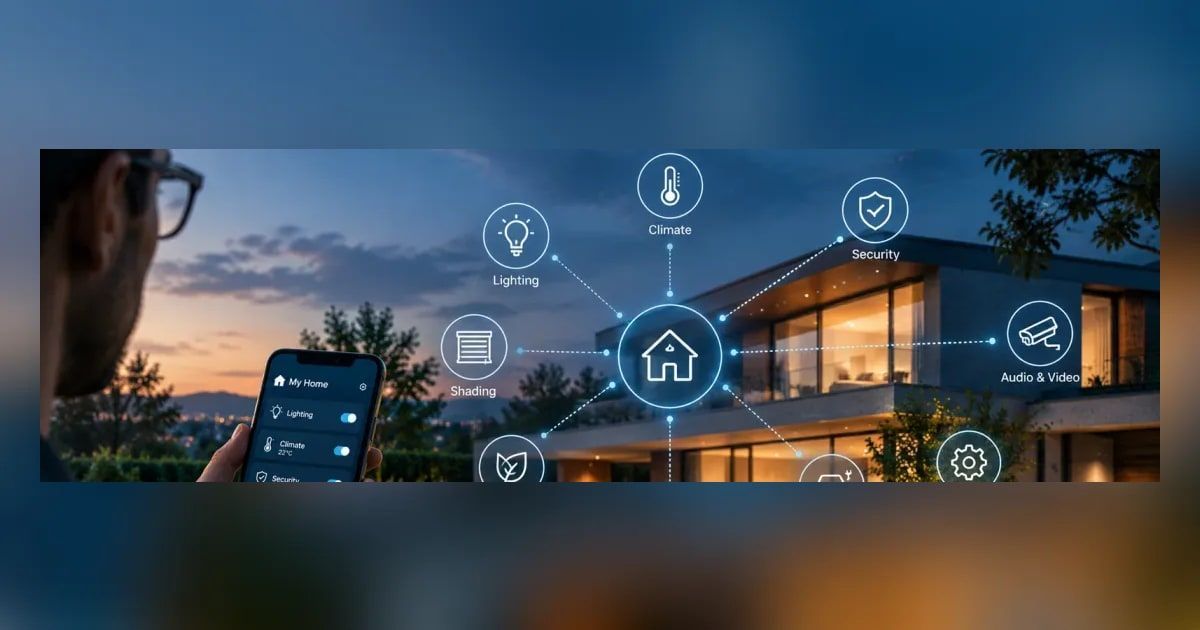
Both types can be integrated with lighting control and whole-home automation systems, so they can be part of scenes and schedules. Make sure the shades you choose are compatible with the system you have or plan to install.
A window treatment specialist can look at your home, your windows, and your goals and recommend the right mix of power options for your shades.