Retrofitting a Smart Home: How to Add Automation to an Existing House
Gurinder Khabnra • September 23, 2026
Retrofitting a Smart Home: How to Add Automation to an Existing House
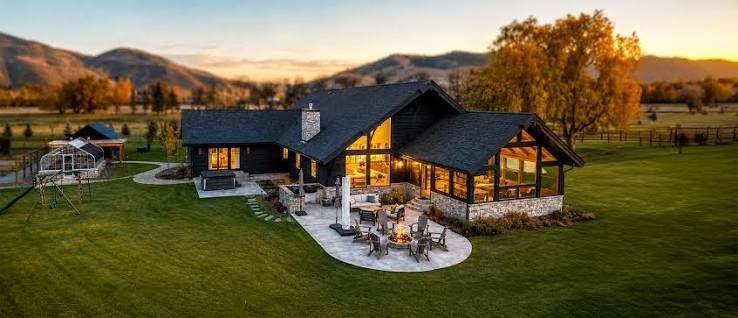
A lot of people assume smart home technology is only for new construction, since that's when walls are open and wiring is easy. It's true that building new gives you the most flexibility. It's far from the only option. Plenty of older houses, including farmhouses, log homes, and remodels around Western Montana, have been upgraded with full automation without tearing apart the walls.
Wireless technology is the reason retrofitting works so well today. Many lighting control systems use radio signals to communicate between switches, dimmers, and the main processor, so there's no need to run new control wiring. In most cases, an installer simply replaces your existing switches with smart ones that fit in the same boxes and look like a normal wall plate.
Window shades follow a similar path.
Battery powered motorized shades are available for windows where running power isn't practical, and hardwired options are possible when there's an accessible path from the attic, basement, or closet. Your installer will look at each window and decide on the cleanest approach.
Cameras and networking usually take a bit more planning, but they're very manageable. Cables can often be fished through attics, crawl spaces, and basements to reach the spots where you need them. A wired connection to each access point is ideal. Even when that can't be done everywhere, a well-designed mesh system can cover most homes with strong signal.
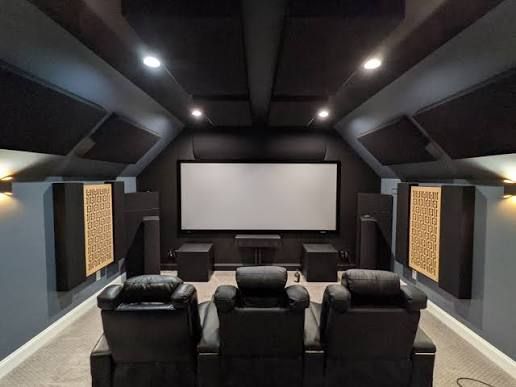
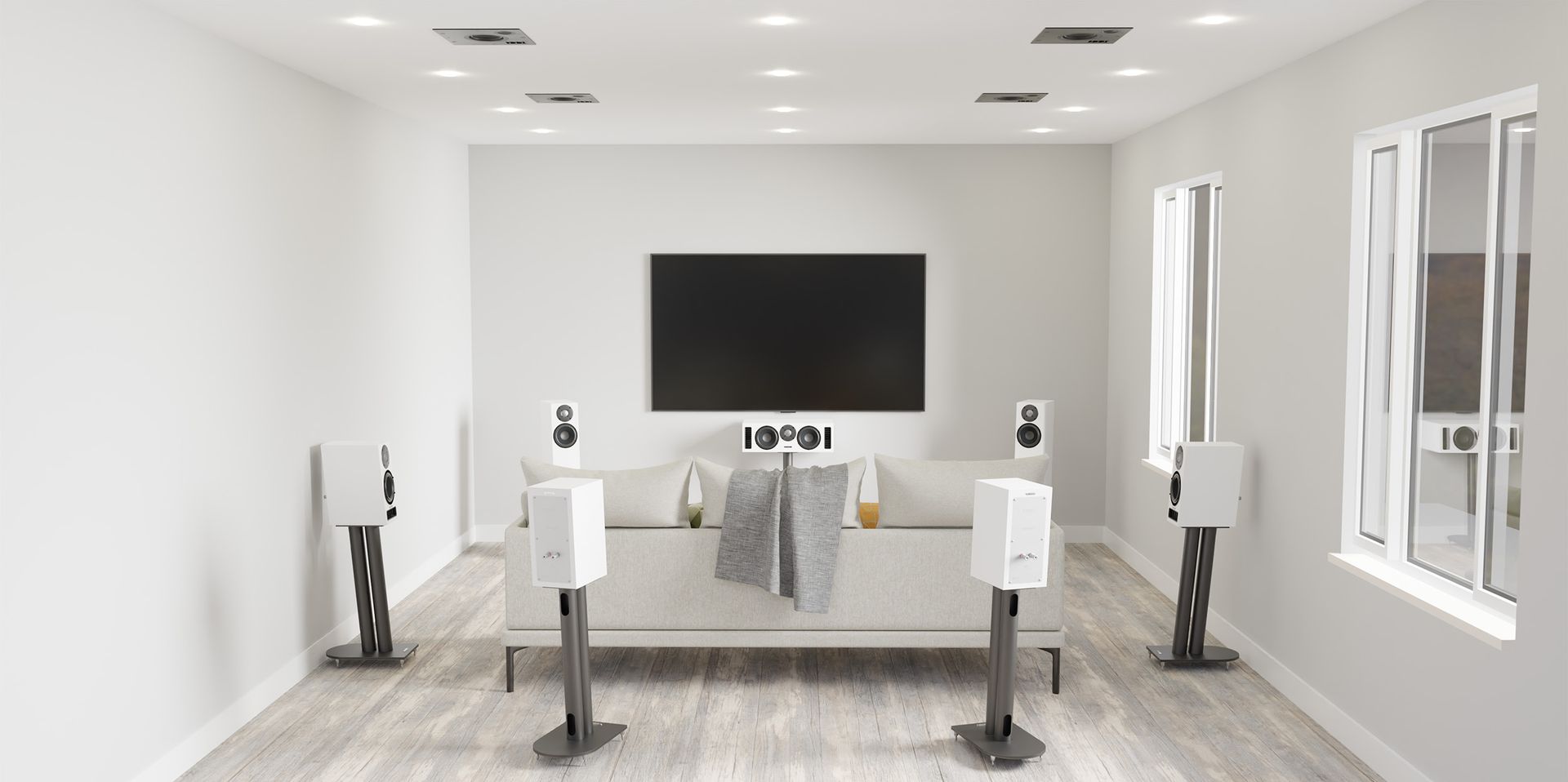
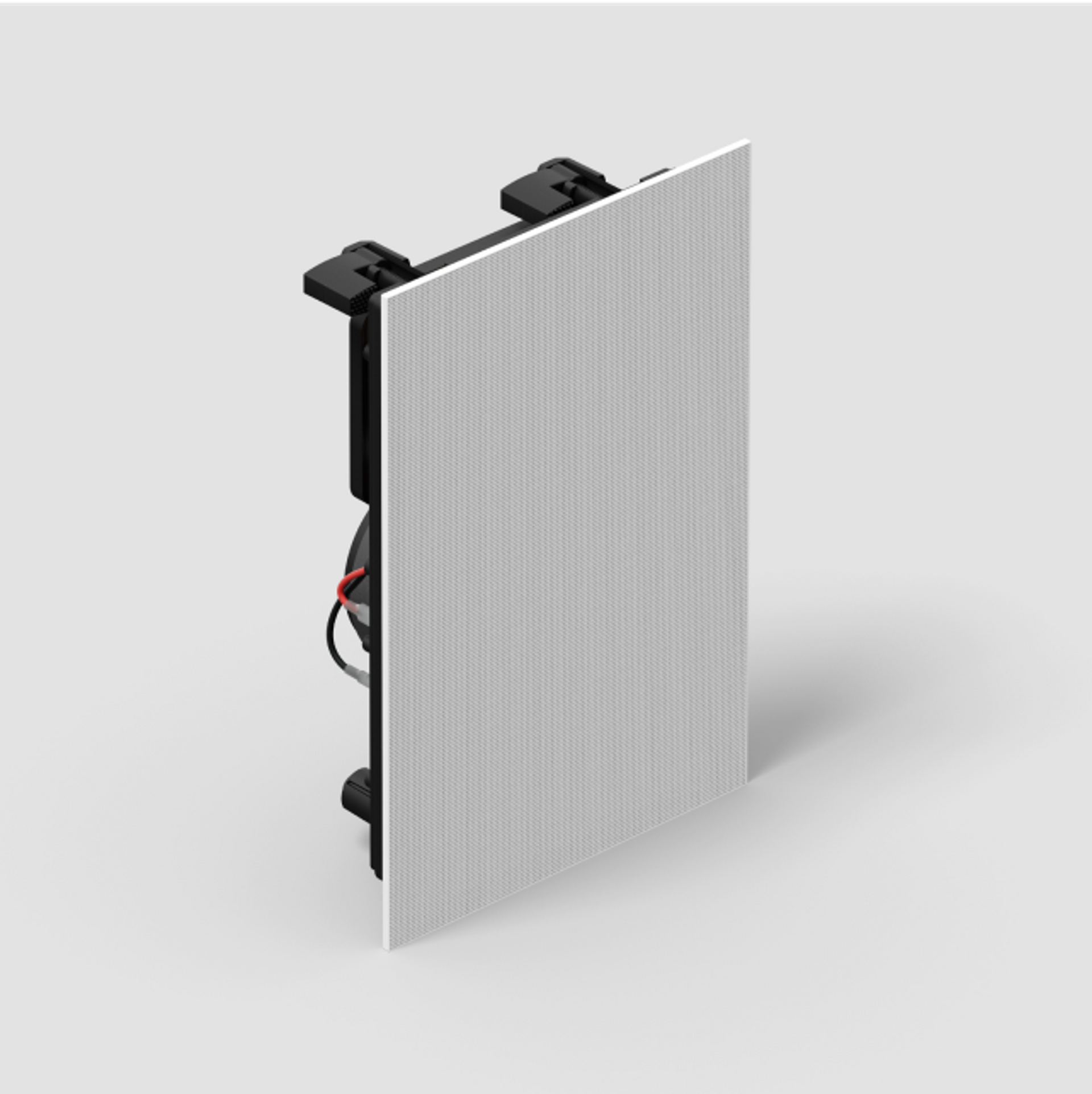
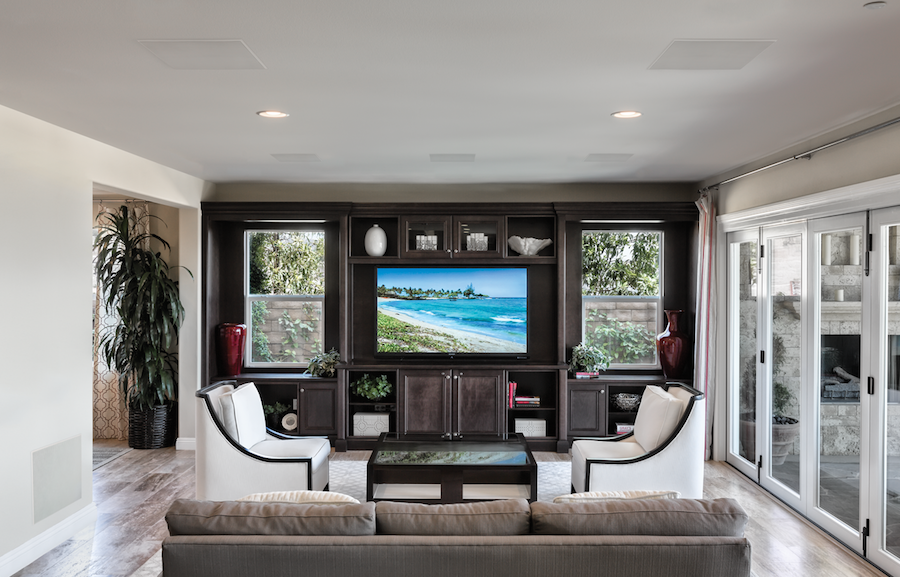
Audio and video can be retrofitted too. In-ceiling speakers can go into finished rooms, and wall mounted TVs can have their cables concealed inside the wall with code compliant kits. Wireless speaker systems like Sonos are especially popular in older homes because they skip the speaker wire entirely.
Some homes are harder than others.
Log construction, plaster, brick, and limited attic access can all make wiring more challenging. That doesn't make a project impossible, but it does mean a careful walk-through matters. An experienced installer will look for the least invasive routes and tell you honestly when a specific request would mean patching drywall or working around a structural feature.
Older electrical systems deserve attention too. Some smart dimmers and switches require a neutral wire, while others are designed to work without one. It's a small detail that affects which products fit your home, and a professional will check it before quoting your project.
The best strategy for retrofits is to start with the biggest impact. Lighting control in the rooms you use every day, reliable Wi-Fi, and a few well-placed cameras often make the most noticeable difference right away. From there, you can add shades, audio, or a media room over time, knowing the foundation is already in place.
The bottom line? Your house doesn't have to be new to be smart. With the right planning and the right products, an existing home can be updated with modern automation that looks clean, works reliably, and grows with you.