DIY Smart Home vs. Professional Installation: What's the Real Difference?
Gurinder Khabnra • September 23, 2026
DIY Smart Home vs. Professional Installation: What's the Real Difference?
Walk through any electronics aisle and you'll see shelves of smart plugs, cameras, bulbs, and speakers that promise a connected home for a small price. For a lot of people, that's a great place to start. But there's a real difference between a handful of smart gadgets and a properly designed smart home, and it shows up over time.
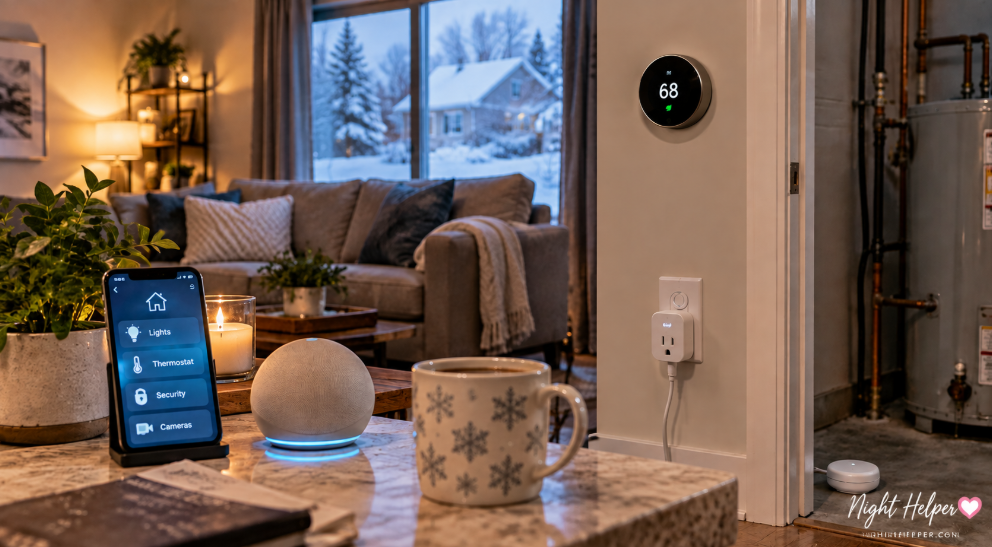
DIY systems shine when the job is small. Swapping a few bulbs, adding a video doorbell, or setting up a smart speaker are all tasks most homeowners can handle in an afternoon. The low cost makes experimenting easy.
The trouble starts as the number of devices grows.
Each brand tends to come with its own app, its own account, and its own way of doing things. Before long you might have five apps on your phone just to turn on the lights, check a camera, and adjust the thermostat. Getting those devices to work together is often harder than it looks, and when one stops responding, it can be tough to figure out who to call.
Professional systems are built differently. Platforms like Control4 and Lutron are designed as complete ecosystems, where lighting, shades, audio, video, and security all live under one interface. An installer designs the system around how you actually live, programs it, and makes sure everything works together before they leave.
Networking is where the gap is often widest. Smart devices depend on a stable network, and a professional installer will plan the Wi-Fi coverage, wired connections, and equipment placement so your devices stay connected. A consumer router tucked in a corner may work fine for a phone or two. Dozens of connected devices are another story.
Programming is another difference people don't think about until they need it. Scenes, schedules, and automations that feel effortless, like the house winding down at bedtime, take careful setup. A professional handles that work and can adjust it later as your routines change.
Support matters too.
When you buy through a dealer, you have someone to call, and many issues can be solved remotely without a service visit. With DIY gear, you're often on your own with a support forum or a call center. Some product lines are also sold only through authorized dealers, which means a professional can offer options you can't find at a retail store.
Cost is the obvious tradeoff. DIY is cheaper up front, and a professional system carries a higher price. But many homeowners find that mismatched devices lead to replacing things down the road, which eats into those savings.
The good news is that it's not all or nothing. Many people use consumer gear for small conveniences and bring in a professional for the core systems, like lighting, networking, security, and media. That approach lets you enjoy quick wins now while building a solid foundation for the parts of your home you depend on every day.