Multi-Room Audio Explained: How Whole-Home Sound Systems Work
Gurinder Khabnra • September 23, 2026
Multi-Room Audio Explained: How Whole-Home Sound Systems Work
Imagine starting a playlist in the kitchen and hearing it follow you through the house. Or playing different music on the patio than in the living room. That's the appeal of multi-room audio. It turns music from something tied to one speaker into something that flows through your whole home, and it's easier to set up than most people assume.
A whole-home audio system is built from three basic parts. There are sources, like streaming services, a turntable, or a TV. There is amplification, which powers the speakers. And there are the speakers themselves, placed in the rooms where you want sound. A control system connects it all so you can choose what plays and where.
Homes are divided into zones.
A zone is simply an area that can play its own audio or share with others. Your kitchen, primary suite, patio, and living room might each be a separate zone. You can play the same song everywhere for a party, or send a podcast to the office and jazz to the dining room at the same time. Volume is controlled per zone, so the music stays where you want it.
There are two main ways to build a system. The first uses wireless speakers that connect over your Wi-Fi network. They're simple to add and can be moved around, and Sonos is a popular example. The second uses a wired approach, with an amplifier or streaming device in an equipment closet powering speakers built into the walls and ceilings. That approach keeps the speakers hidden and delivers a very clean look.
Many homes use a mix. A streaming amplifier, such as the Sonos Amp, can drive in-ceiling speakers, giving you the hidden look and powerful sound of a traditional system with the ease of a modern app. Professional platforms like Control4 can bring audio together with lighting, shades, and video under one interface.
Control is a big part of the experience.
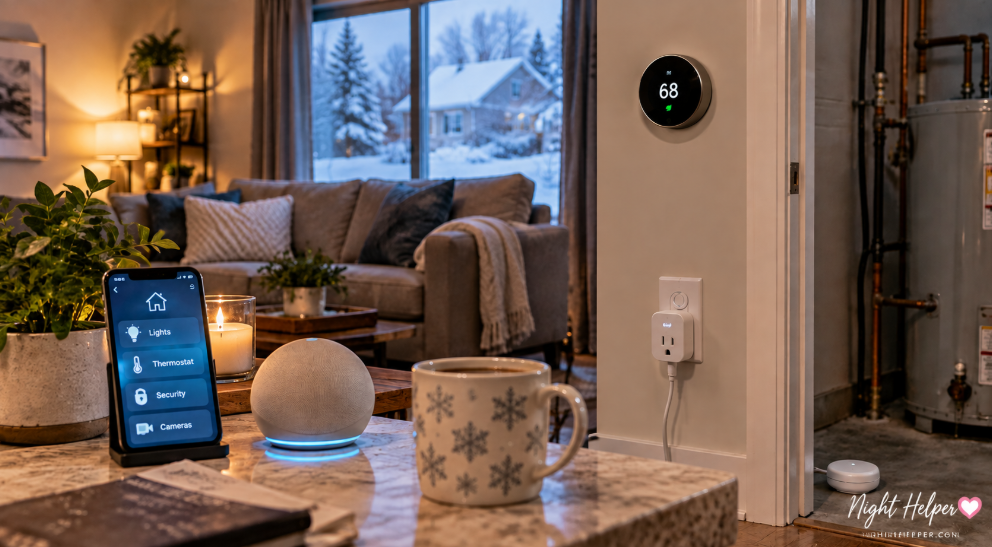
You can pick music from an app, a wall keypad, or a voice command. A keypad in the kitchen can start a favorite playlist with one button, so no one has to pull out a phone. Scenes can also include audio, like a Morning scene that raises the lights, opens the shades, and starts the news.
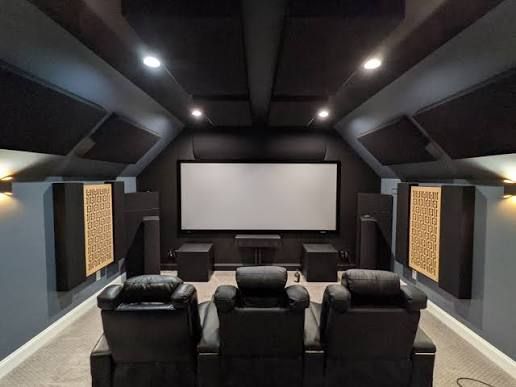
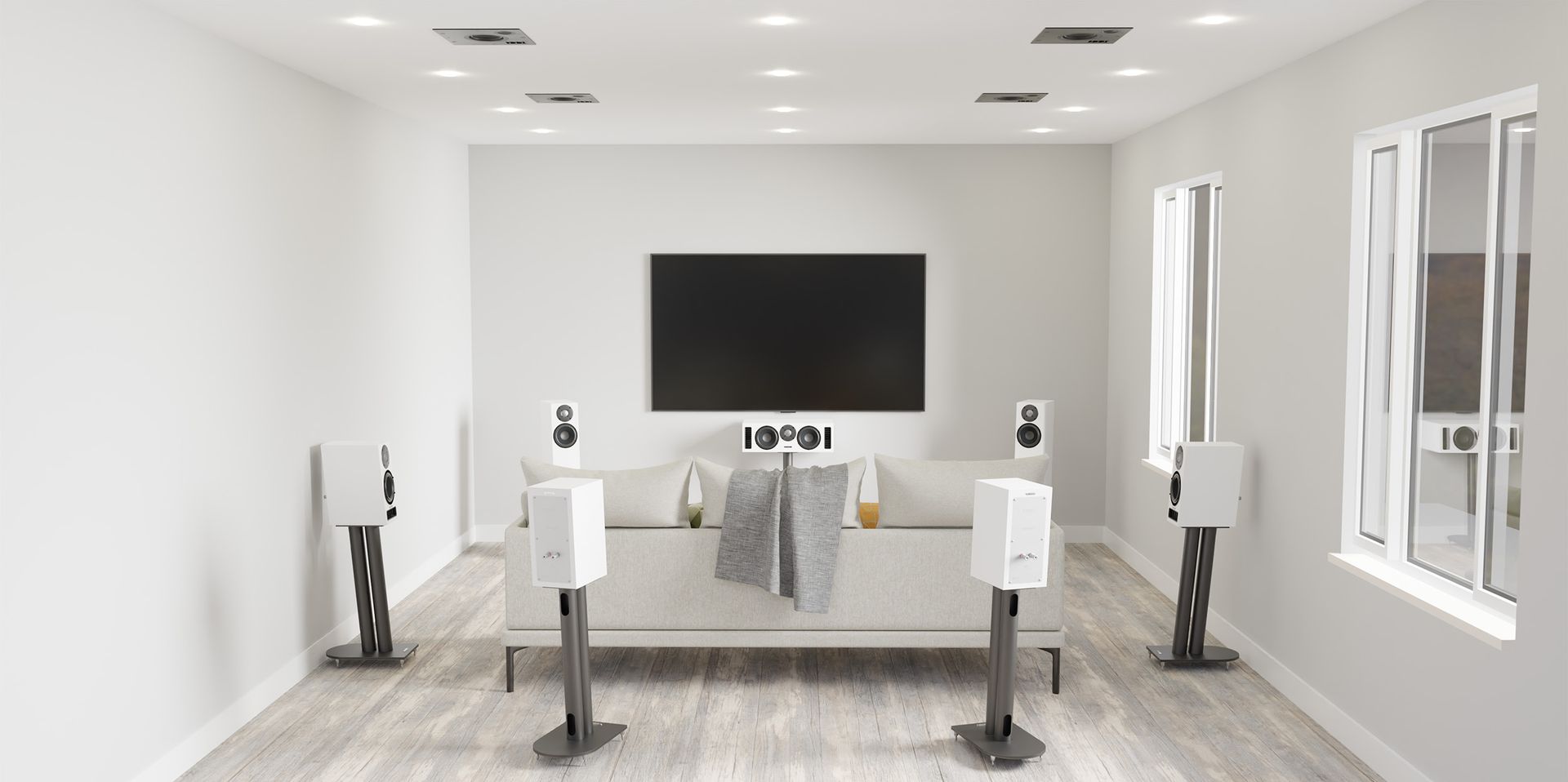
Speaker placement matters for sound quality. In-ceiling speakers spread sound evenly, which works well for background music. Outdoor speakers are built to handle Montana weather and can cover a deck, patio, or pool area. Larger rooms may need more speakers to avoid uneven volume.
Network quality matters, too. Streaming audio relies on a strong, stable connection, so a well-designed network is part of a good audio system. The earlier you plan for it, particularly during construction when speaker wire can be run easily, the cleaner and more flexible the result will be.