Home Theater Acoustics: Why Room Design Matters as Much as the Equipment
Gurinder Khabnra • September 23, 2026
Home Theater Acoustics: Why Room Design Matters as Much as the Equipment
It's easy to focus on the shiny gear when planning a home theater. Bigger screens, more speakers, and the latest receiver are all exciting. But the room those components live in has a huge influence on how the whole system sounds. A modest system in a well designed room can outperform a high end one in a room that fights the sound at every turn.
Every surface in a room affects sound. Hard surfaces like drywall, glass, and hardwood reflect sound waves, which can create echoes, harshness, and muddy dialogue. Soft surfaces like carpet, upholstered furniture, and heavy drapes absorb sound and help keep it clear. The goal isn't to deaden the room completely. It's to balance reflection and absorption so the sound feels natural and clear.
Bass is where rooms cause the most trouble.
Low frequencies interact with the walls, floor, and ceiling and can create spots where bass is overpowering and others where it nearly disappears. These are called standing waves, and they're influenced by the dimensions of the room. Bass traps, which are acoustic panels designed to absorb low frequencies, are usually placed in corners and can dramatically tighten up the sound.
Absorption panels placed at the first reflection points, the spots on the side walls and ceiling where sound bounces on its way to your ears, help improve clarity and make dialogue easier to understand. Diffusers, which scatter sound instead of absorbing it, can add a sense of spaciousness in larger rooms. A designer can decide how to use each and where.
Room shape and size play a role, too. Perfectly square rooms tend to have more acoustic problems than rectangular ones, and very small rooms can make it difficult to get a good response. If you're building a dedicated theater, working with the design early can help you choose dimensions, ceiling height, and layout that work in your favor.
Isolation is a separate topic from acoustics, and it matters in a theater.
It's about keeping sound from escaping to the rest of the house, and keeping outside noise from intruding. Techniques such as double layer drywall, sealed gaps, and solid core doors can make a big difference. That's especially relevant if the theater is next to bedrooms or a home office.
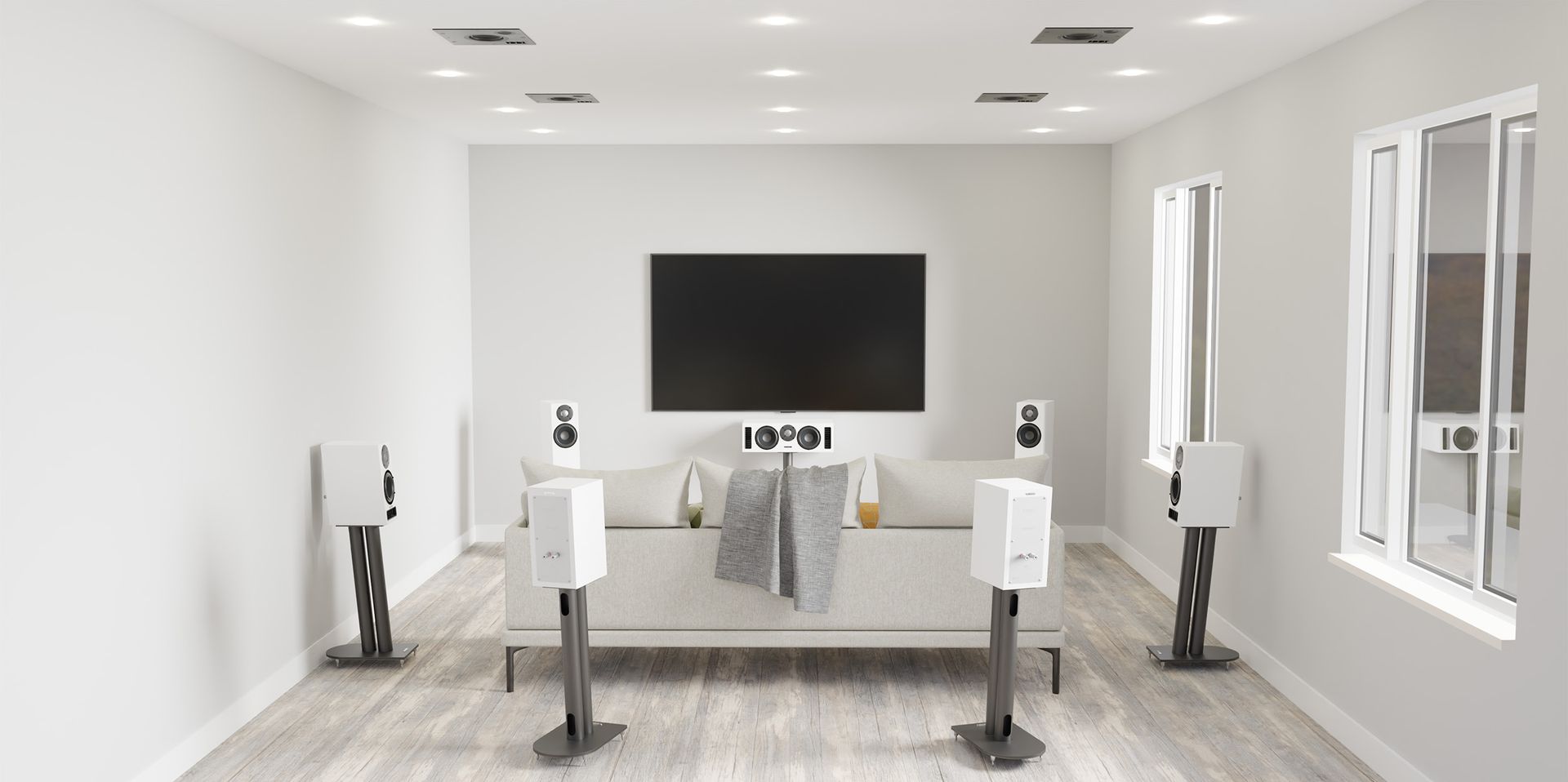
Don't overlook the smaller details. Noise from heating and cooling vents can be distracting during quiet scenes, so ductwork should be planned with the theater in mind. Seating position and speaker placement should be worked out together. Dark walls and ceilings and controlled lighting reduce reflections on the screen and keep the picture looking its best.
Finally, calibration ties everything together. Once the room is built and the equipment installed, measuring and tuning the system helps it perform its best in the actual space. Combined with thoughtful design, that's how a home theater ends up feeling like a real cinema rather than a living room with a big TV.