Dolby Atmos at Home: What It Is and What You Need to Hear It
Gurinder Khabnra • September 23, 2026
Dolby Atmos at Home: What It Is and What You Need to Hear It
If you've watched a movie in a theater and felt a helicopter pass over your head or rain fall all around you, you've heard the kind of sound Dolby Atmos is known for. The good news is that you can get the same effect at home. It takes a little planning, but the payoff is one of the biggest upgrades you can make to a movie or gaming setup.
Traditional surround sound places speakers around you at ear level. Dolby Atmos adds height. Instead of assigning sound to specific speaker channels, it treats sounds as objects that can be placed anywhere in a three-dimensional space. A bird can fly overhead, a car can sweep from behind to in front, and a thunderclap can roll across the ceiling. The system adapts the sound to the speakers you have.
Speaker layouts are described with a three-part number.
A 5.1.2 system, for example, has five main speakers, one subwoofer, and two height speakers. A 7.1.4 system has seven main speakers, one subwoofer, and four height speakers. More speakers create a more precise and immersive effect, but even a modest setup can be impressive.
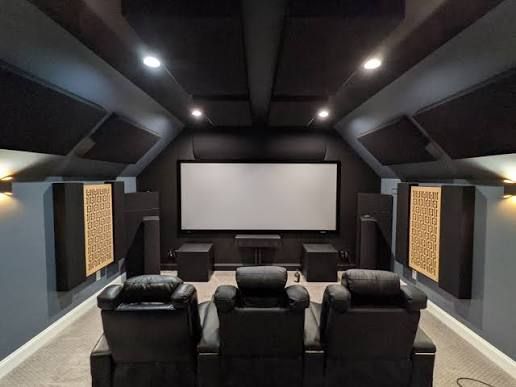
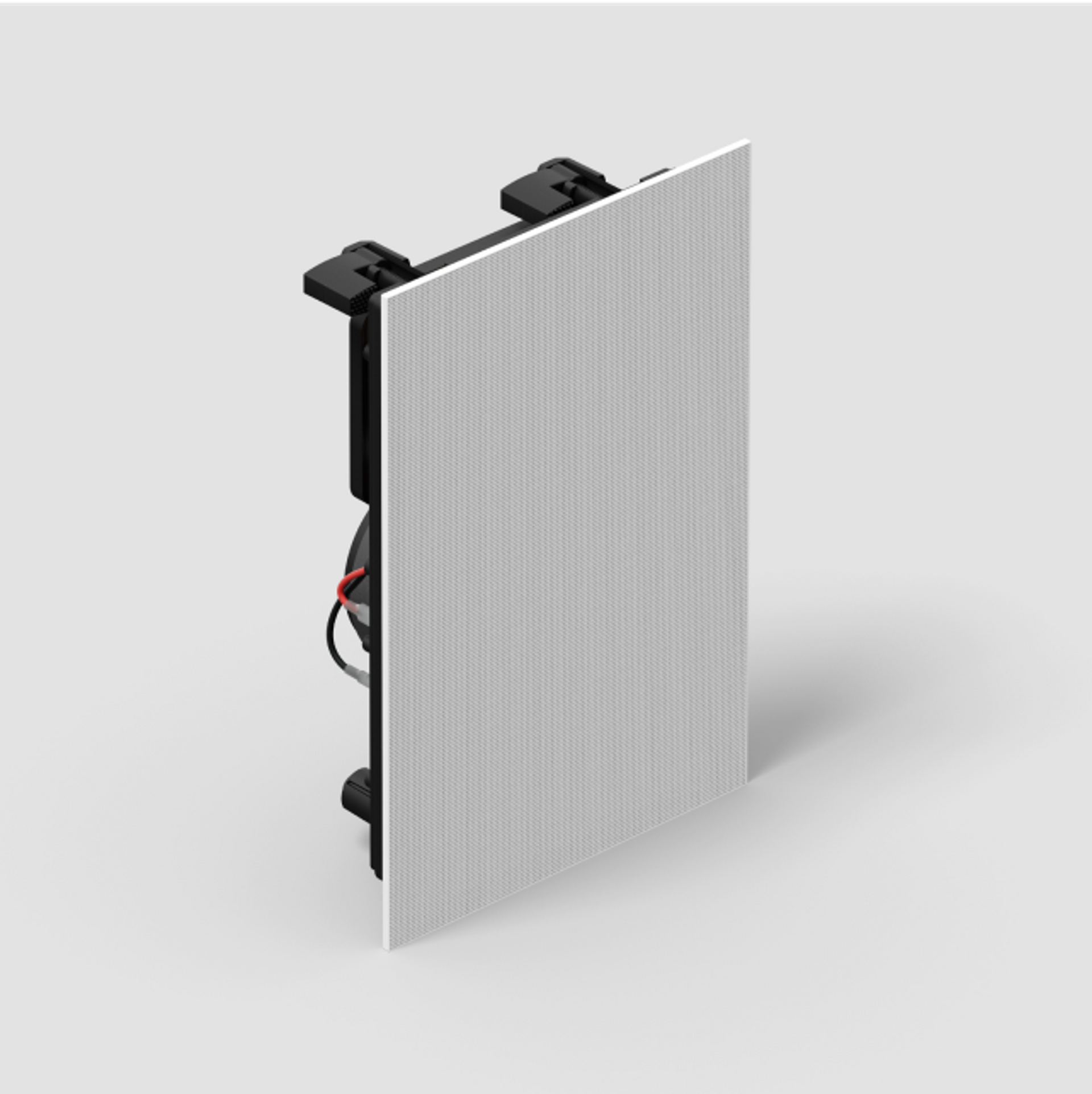
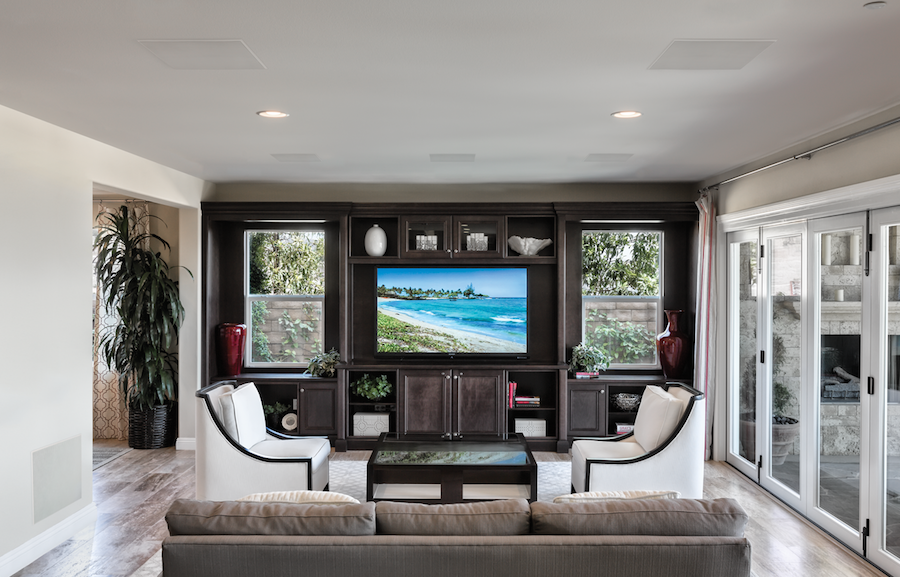
Height speakers can be installed in a few ways. In-ceiling speakers are the cleanest option and are often used in dedicated theaters and media rooms. They're best planned during construction or a remodel, although they can be added to a finished room in many cases. Up-firing speakers sit on top of your regular speakers and bounce sound off the ceiling. That works when in-ceiling speakers aren't practical, though it depends on a ceiling that's not too high or oddly shaped.
You also don't need a full speaker system to get started. Many Dolby Atmos soundbars use built-in drivers to create a sense of height, and they're a reasonable choice for smaller rooms or simple setups. They won't match a full speaker system, but they can be a big step up from a TV's built-in speakers.
The heart of a full setup is an AV receiver or processor that supports Dolby Atmos.
It decodes the audio, powers the speakers, and includes room correction tools that measure your space and adjust the sound to suit it. A professional calibration can make a noticeable difference.
Content matters as well. Many streaming services, Blu-ray discs, and video games offer Dolby Atmos soundtracks. Your source device, cables, and TV all need to support the format, and the system needs to be configured correctly to pass the signal through. It's a common area where things go wrong, which is why proper setup pays off.
Finally, the room itself plays a part. Ceiling height, room shape, and materials all affect how the sound behaves. Planning speaker placement and acoustic treatment together gives you the best result. Whether you're building a dedicated theater or upgrading your living room, a professional can help you choose the right configuration and get it sounding right.