7 Questions to Ask Before Hiring a Home Automation Installer
Gurinder Khabnra • September 23, 2026
7 Questions to Ask Before Hiring a Home Automation Installer
Choosing who installs your smart home system is a bigger decision than choosing which products to buy. The installer designs the system, programs it, and is the person you'll call when something needs changing. A great one makes technology disappear into your daily routine. A poor one leaves you with a confusing setup and no one to call. These seven questions can help you tell the difference.
First, ask what brands they're certified to install. Certifications from companies like Control4 and Lutron mean the installer has completed manufacturer training and can access professional-grade products and support. It's a good sign that they've invested in doing things properly.
Second, ask whether they're licensed and insured in Montana. Smart home projects often involve electrical work and work inside your walls and attic. Proper licensing and insurance protect you if anything goes wrong. It's a basic requirement for any legitimate contractor.
Third, ask how they design a project.
A good installer will walk your home, ask how you live, and provide a written proposal that spells out what's included. Be cautious of anyone who quotes a price without seeing the property or asking about your goals.
Fourth, ask who handles the programming and how it's tested. The way a system is programmed determines how it feels to use every day. Find out whether the person who designs your system is the same one who sets it up, and whether they walk you through it once it's complete.
Fifth, ask whether they handle the network. Wi-Fi and wired networking are the backbone of a modern smart home. An installer who treats the network as part of the system, rather than someone else's problem, is far more likely to deliver something that stays reliable.
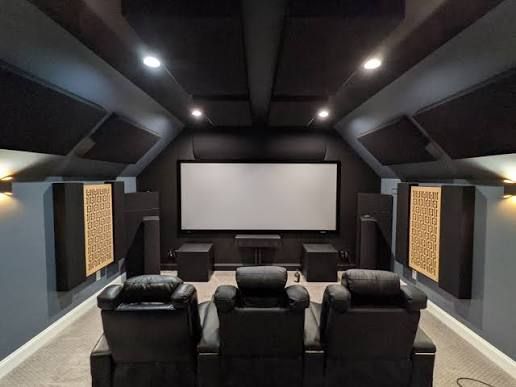
Sixth, ask to see examples of past work. A portfolio, photos, or references from past clients show you what the installer's results look like in real homes. Ask about projects similar to yours, whether that's a lake house, a large custom build, or a remodel.
Seventh, ask what support looks like after the install.
Find out how they handle service calls, whether they can fix issues remotely, and what warranties are offered on the equipment and the labor. Systems change over time, and you'll want a partner who's still around and easy to reach in a year or five.
It's also worth paying attention to how the conversation feels. The right installer listens more than they talk at the start, explains options in plain language, and doesn't push equipment you don't need. A free consultation is a good chance to see all of this in person. It costs nothing to ask these questions before you decide.