Motorized Shades for Skylights, Clerestories, and Hard-to-Reach Windows
Gurinder Khabnra • October 24, 2026
Motorized Shades for Skylights, Clerestories, and Hard-to-Reach Windows
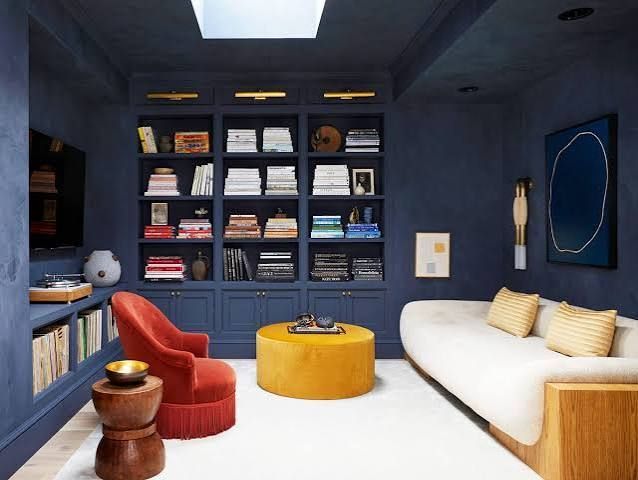
Many homes in Western Montana are designed around the view. Tall great rooms, timber-frame ceilings, walls of glass, and high clerestory windows bring in light and frame the mountains. They're beautiful. They also create a practical problem: how do you cover windows that are fifteen or twenty feet off the floor?
For many homeowners, the answer is motorized shades.
Why high windows are a challenge
Windows that are out of reach are difficult to manage with manual shades. Pull cords and wands can only go so far, and climbing a ladder to adjust a shade isn't practical. As a result, many high windows end up uncovered. That leads to glare on TVs and screens, heat gain in the summer, heat loss in the winter, and sun fading on floors and furniture.
Skylights present similar issues. They let in great natural light, but they can also let in a lot of heat and brightness at the wrong times of day.
How motorized shades solve the problem
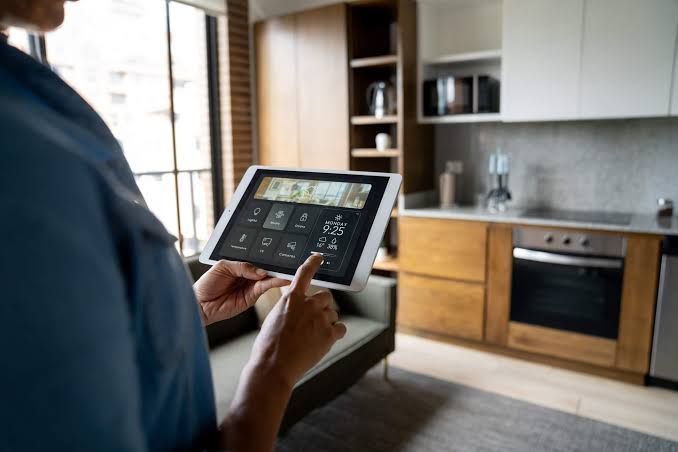
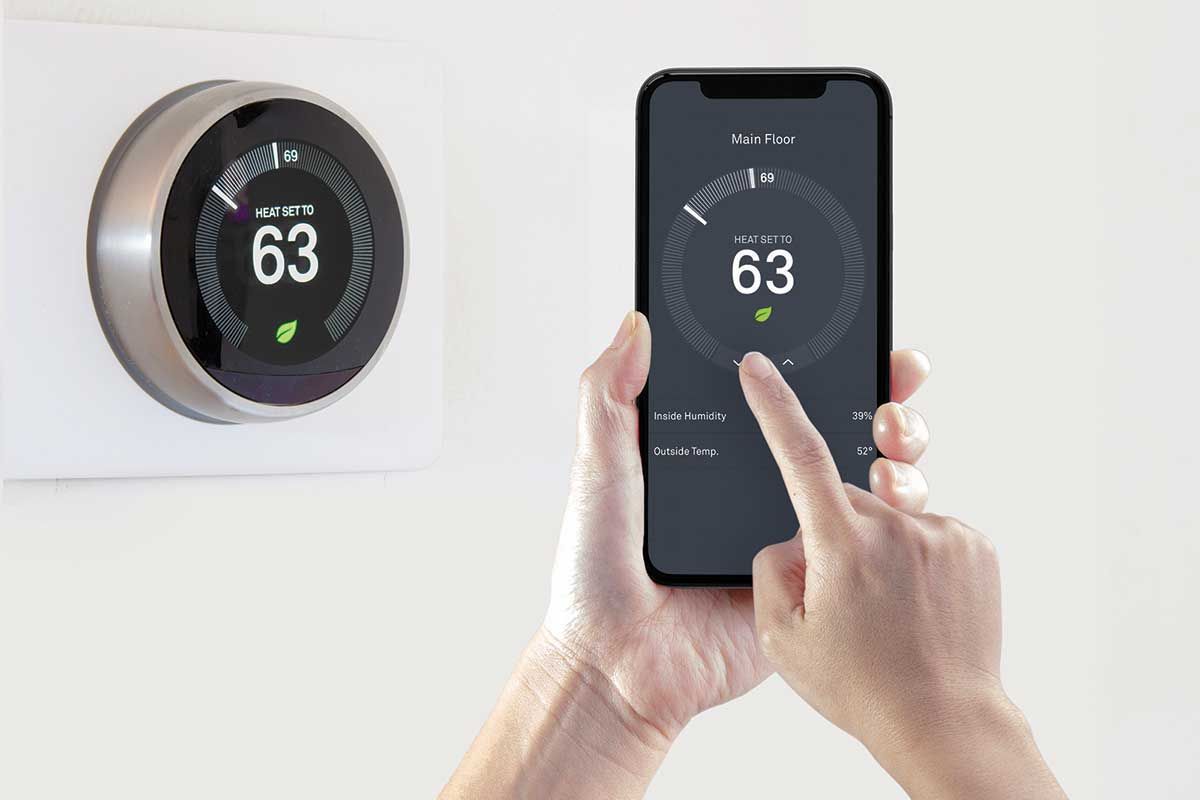
Motorized shades can be raised and lowered with a button, a remote, an app, or automatically on a schedule. Height doesn't matter. A shade twenty feet up is just as easy to control as one at eye level.
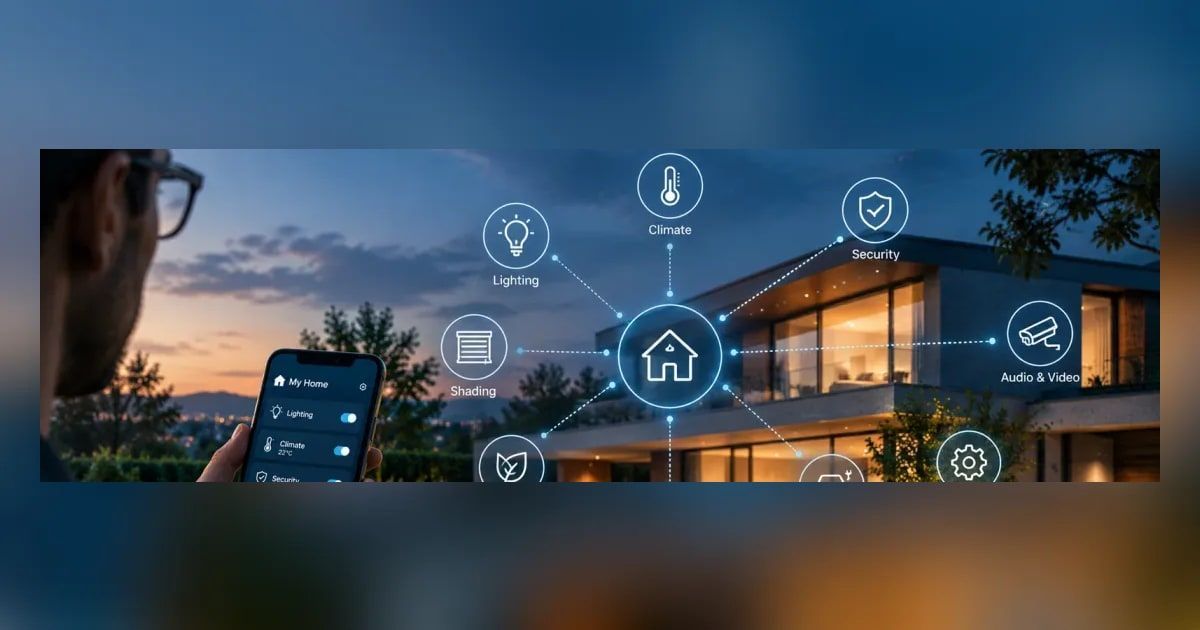
Automation takes it a step further. Shades can be set to lower when the sun hits certain windows and raise again in the afternoon. They can close at night for privacy and to help retain heat. In winter, they can open on sunny days to let in warmth. Many systems can also be tied into lighting and whole-home scenes, so pressing "Movie" lowers the shades and dims the lights at the same time.
Skylight shades
Skylights require specialized shades because they're installed at an angle or horizontally. These shades use tracks or tension systems to keep the fabric in place. Motorized skylight shades are especially useful because skylights are often in hard-to-reach places, like vaulted ceilings or stairwells.
Choosing the right fabric
Fabric choice affects how a shade performs. Sheer and solar fabrics reduce glare and UV while preserving the view. Light-filtering fabrics soften light and add privacy. Room-darkening and blackout fabrics are best for bedrooms and media rooms. For tall windows in great rooms, many homeowners choose solar fabrics that keep the view while controlling heat and glare.
Power options
Motorized shades can be hardwired or battery powered. Hardwired shades are ideal for new builds, since wires can be run during construction. For high windows in existing homes, battery-powered shades are a common choice because they avoid opening walls. The trade-off is that batteries need to be replaced or recharged occasionally, which is something to plan for when a shade is twenty feet up. Some systems use rechargeable battery wands or small solar panels to reduce maintenance.
Installation matters
Installing shades on tall windows takes the right equipment and experience. Brackets need to be secure, and shades need to be measured precisely, especially on angled or uniquely shaped windows. In timber-frame homes, mounting surfaces can be uneven or require custom solutions. It's a job where professional installation pays off.
Planning ahead
If you're building a home with tall windows, plan for shades early. Pockets in the ceiling or framing can hide shade rollers for a clean look, and power can be run to each window during construction. It's much easier to plan for them before drywall than after.
Tall windows are one of the best features of a mountain home. Motorized shades make them easier to live with. A window treatment professional can help you choose the right shades, fabrics, and power options for your home.