What Happens to Your Smart Home When the Power or Internet Goes Out?
Gurinder Khabnra • October 24, 2026
What Happens to Your Smart Home When the Power or Internet Goes Out?
It's a fair question, and one homeowners ask often: if my home relies on technology, what happens when the power goes out or the internet drops? In Western Montana, where winter storms, high winds, and wildfire season can cause outages, it's a practical concern. The answer depends on how your system is designed. A well-built smart home should keep working as much as possible and recover smoothly when service returns.
When the internet goes down
Many people assume a smart home stops working without the internet. That's true for some products, but not all.
Consumer devices that rely on cloud services, such as some smart plugs, bulbs, and cameras, may stop responding to app commands or voice assistants when the internet is out. Voice assistants like Alexa and Google typically need an internet connection to work.
Professionally installed systems are often designed to run locally. Lighting control systems, for example, usually keep working from keypads, remotes, and schedules even without internet. A whole-home automation controller can typically keep running scenes and routines inside the home. You may lose remote access from your phone when you're away, but things work normally inside the house.
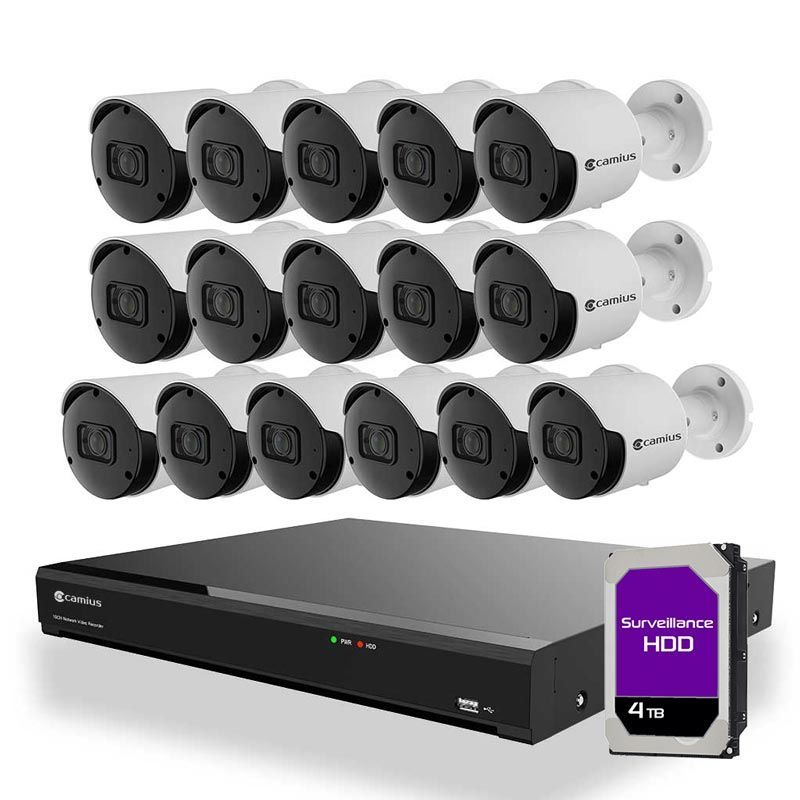
Cameras with a local recorder keep recording to that recorder even without internet. You won't be able to view them remotely until service returns, but footage is still captured.
When the power goes out
A power outage is more disruptive, because most devices need electricity. Lights, TVs, and most equipment will turn off. What matters most is what keeps working and how everything comes back.
Battery backups, called uninterruptible power supplies or UPS units, can keep critical equipment running for a period of time. A UPS on your network equipment, router, and security system can keep internet access, cameras, and alarm monitoring working through short outages. How long it lasts depends on the size of the UPS and how much equipment is connected.
Security systems typically have their own backup batteries, so they continue to work during an outage. Many monitored systems also use a cellular connection as a backup, so they can still send alarms if the internet is down.
Battery-powered devices like smart locks, sensors, and some shades will continue to work during an outage.
Generators and whole-home backup
Homes with a standby generator or a battery storage system can keep running during longer outages. If you have or are planning a generator, it's important to think about which circuits it will power and how your technology will respond when power switches over. A UPS can bridge the brief gap before a generator kicks in, preventing equipment from rebooting.
Recovering after an outage
When power returns, equipment needs to restart in the right order. Network equipment typically needs to come back first so other devices can reconnect. A well-designed system handles this automatically. Some systems also include remote power management, allowing an installer to restart equipment remotely if something doesn't come back properly.
Lights and shades should return to a sensible state, rather than all turning on at full brightness in the middle of the night. This is something to discuss with your installer.
Planning for second homes
For vacation homes and second properties, outages are a bigger concern. You may not be there to notice or reset things. Remote monitoring, temperature alerts, a UPS on network equipment, and a cellular backup for internet can help you know what's happening and respond quickly. In winter, knowing that the power is out and the temperature is dropping can prevent frozen pipes.
The bottom line
A smart home shouldn't leave you in the dark. With thoughtful design, local control, battery backups, and the right equipment, your home can handle outages gracefully. A professional integrator can review your system and recommend upgrades to make it more resilient.