Live Video Guarding vs. Traditional Alarm Monitoring: What's the Difference?
Gurinder Khabnra • October 24, 2026
Live Video Guarding vs. Traditional Alarm Monitoring: What's the Difference?
For years, home security meant one thing: an alarm system with professional monitoring. Sensors on doors and windows trigger an alarm, a monitoring center receives the signal, and someone calls you or dispatches emergency services. That model still works well for many homes. But a newer option has gained attention: live video guarding.
Here's how the two compare and how to decide which is right for your property.
How traditional alarm monitoring works
A traditional system uses sensors on doors, windows, and inside the home, such as motion detectors and glass-break sensors. When a sensor is triggered while the system is armed, the alarm sounds and sends a signal to a monitoring center. The operator typically tries to contact you to verify the alarm and, if needed, dispatches police, fire, or medical help.
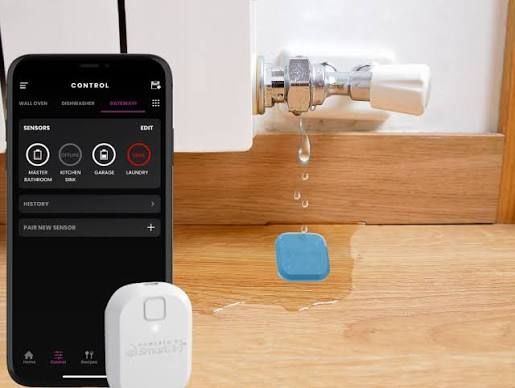
This approach is reliable and well established. It can also include monitoring for smoke, carbon monoxide, and water leaks. The main limitation is that it responds after someone has already entered or tried to enter the home. False alarms can also be a problem, and in some areas, police may give lower priority to unverified alarms.
How live video guarding works
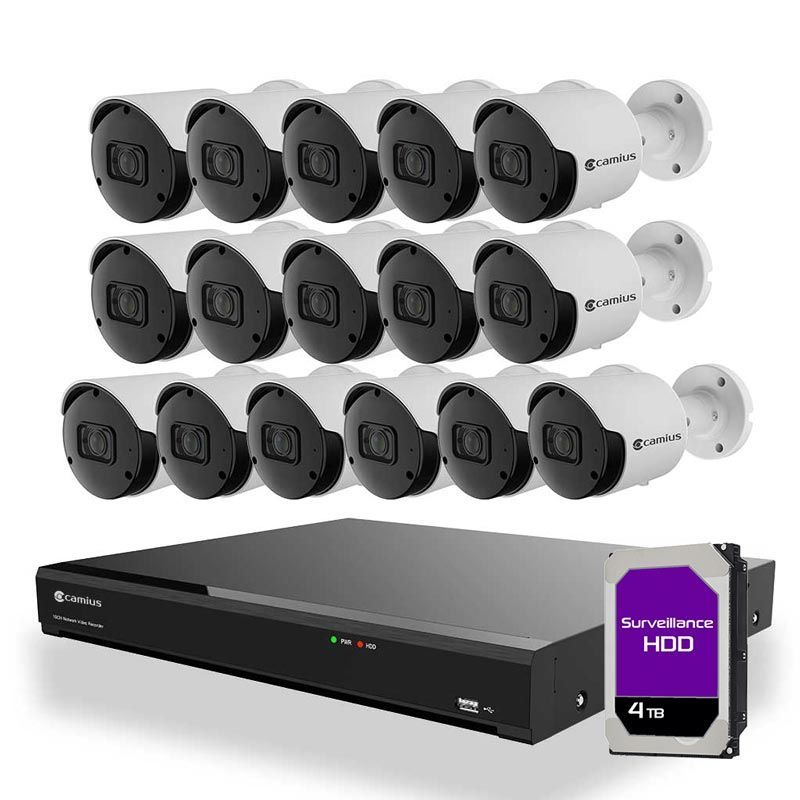
Live video guarding uses cameras with smart detection and trained monitoring staff who can see what's happening. When the system detects a person on your property, it alerts a guard, who reviews the live video. If the activity looks suspicious, the guard can speak through a speaker on the camera, warning the person that they're being watched. If the person doesn't leave or the situation looks like a crime in progress, the guard can contact police with verified information.
Some services, including Deep Sentinel, are built around this model and combine cameras, AI detection, and live guards.
The key difference: prevention vs. response
The biggest difference is timing. Traditional monitoring typically responds once a door or window is opened. Live video guarding aims to intervene earlier, while someone is still outside, ideally before a break-in happens. Hearing a live voice say "You're on camera, and we've contacted the police" is a powerful deterrent.
Verified alarms are another benefit. Because a guard has seen what's happening, police get more information and may respond with higher priority.
Which is right for you?
Traditional monitoring is a good choice if you want comprehensive protection, including fire, carbon monoxide, and water leak monitoring, and you're comfortable with a system that responds to entry. It's well suited for most homes.
Live video guarding may be a good fit if you have valuable property outside the house, like vehicles, equipment, or outbuildings. It's also appealing for vacation homes and properties that sit empty for long periods, and for homeowners who want to stop problems before they reach the door.
Many homeowners combine both. Sensors protect the inside of the home, and video guarding protects the perimeter.
Costs and subscriptions
Both options typically involve a monthly fee. Live video guarding services often cost more because they involve people watching video in real time. Compare what's included, such as equipment, contracts, response times, and cancellation terms.
Privacy considerations
With live guarding, monitoring staff can view your camera footage when an event is detected. Ask how video is handled, who can access it, and when. Most services only view footage during alerts, but it's worth confirming.
Planning your system
The right solution depends on your property, your lifestyle, and your budget. A rural property with a long driveway and outbuildings has different needs than a home in town. A professional security installer can assess your property and help you decide whether traditional monitoring, live video guarding, or a combination makes the most sense.