Integrating Technology & Design
August 27, 2025
How Smart Homes Become Stunning Spaces
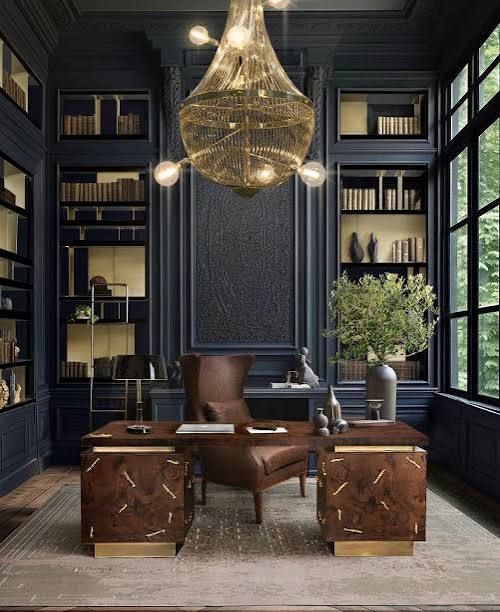
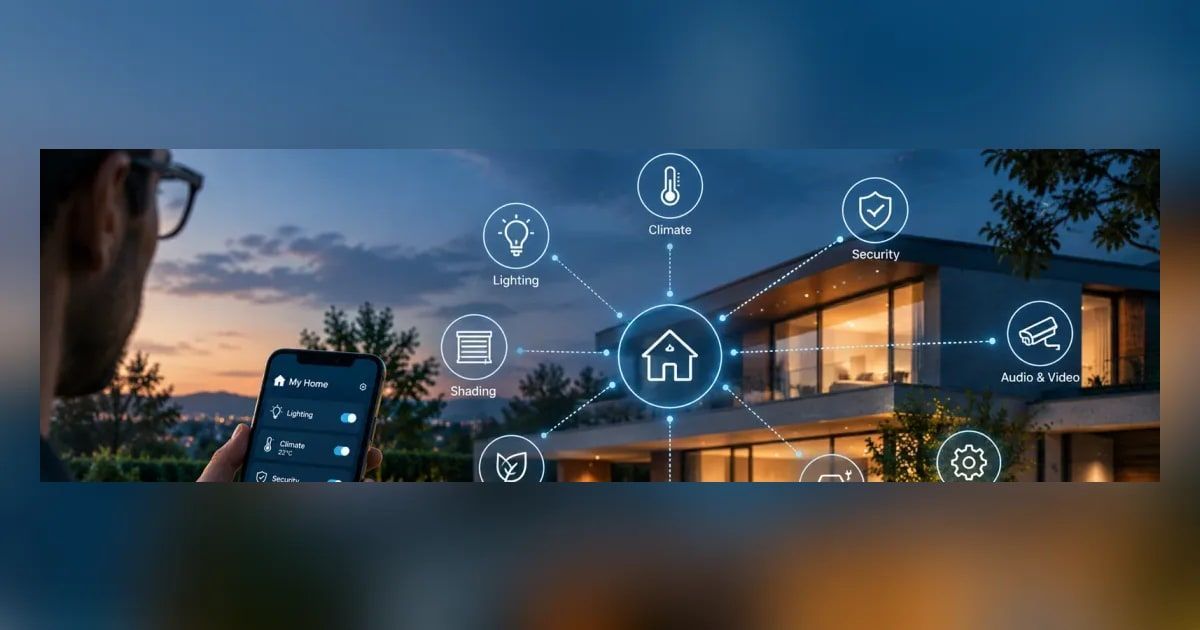
The future of the smart home isn’t just about what technology can do — it’s about how effortlessly it fits into the rhythm, aesthetics, and flow of a well-designed space. When done right, technology doesn’t dominate a home; it disappears into it — enhancing how it works and how it feels, without disrupting the look or experience. Whether you're a homeowner planning a renovation, a designer working with increasingly tech-savvy clients, or a contractor aiming to stay ahead of the curve, understanding how to integrate technology and design is no longer optional — it’s essential.
This post explores the principles behind that integration: how thoughtful planning, collaborative teams, and a design-first mindset can lead to smarter, more beautiful spaces that stand the test of time.

Why Tech & Design Need Each Other
Too often, technology is treated as an afterthought — devices added after the design is finalized, wires hastily hidden, interfaces awkwardly installed. The result? A space that functions well, but doesn’t feel cohesive.
On the other hand, when design leads the way without consideration for technology, it can unintentionally limit the capabilities or future scalability of a smart home.
The answer? Integration from the start.
When designers and technologists collaborate early, they can create:
- Clean, minimalist interfaces that preserve design intent
- Invisible or beautifully integrated hardware
- Intuitive experiences that don’t sacrifice elegance
This kind of collaboration turns a house into a truly smart home — not just connected, but considered.
Principles of Seamless Integration
To successfully merge tech and design, these principles guide our approach:
1. Plan Holistically
A great outcome starts with asking the right questions early:
What are the client’s lifestyle needs?
Where will they want convenience, automation, or ambiance?
How should technology feel in the space — bold and modern? Discreet and invisible?
The answers help shape both the design layout and the technology infrastructure from day one.
2. Design for Evolution
Good design leaves room to grow. We build systems with scalability in mind — so as new technologies emerge or homeowner needs evolve, systems can be updated without major disruption.
3. Prioritize User Experience
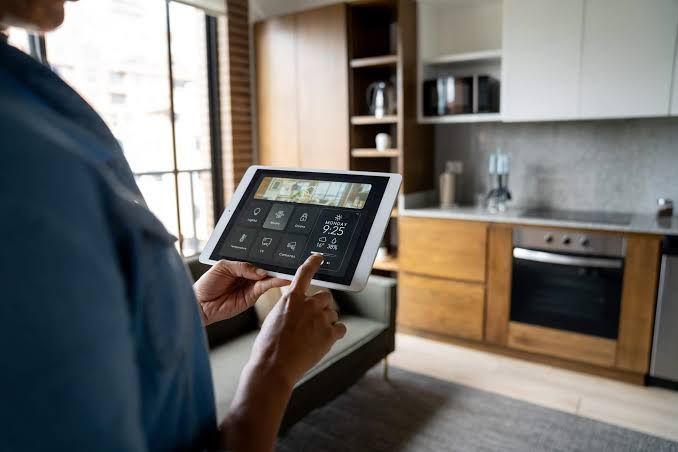
No matter how advanced the tech is, it must be easy to use. A single, intuitive interface — mobile, voice, or touch panel — is key. The most luxurious systems are the ones people forget they’re even using.
What Does This Look Like in Practice?
Some examples of integrated technology and design include:
Architectural lighting that automatically shifts throughout the day, enhancing natural light while preserving mood
Voice-activated shade systems that blend seamlessly with fabric selections and design palettes
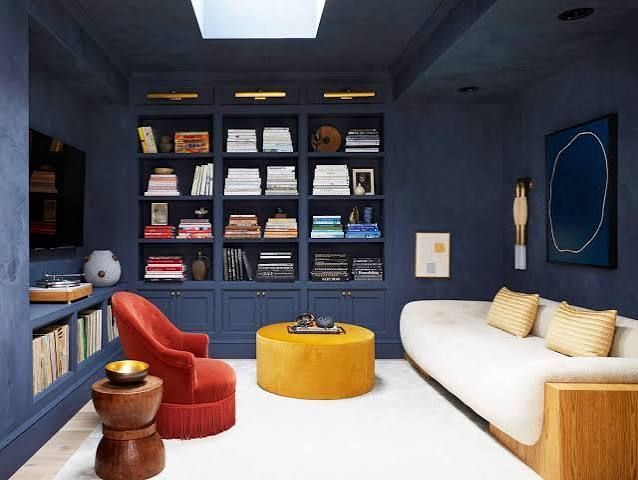
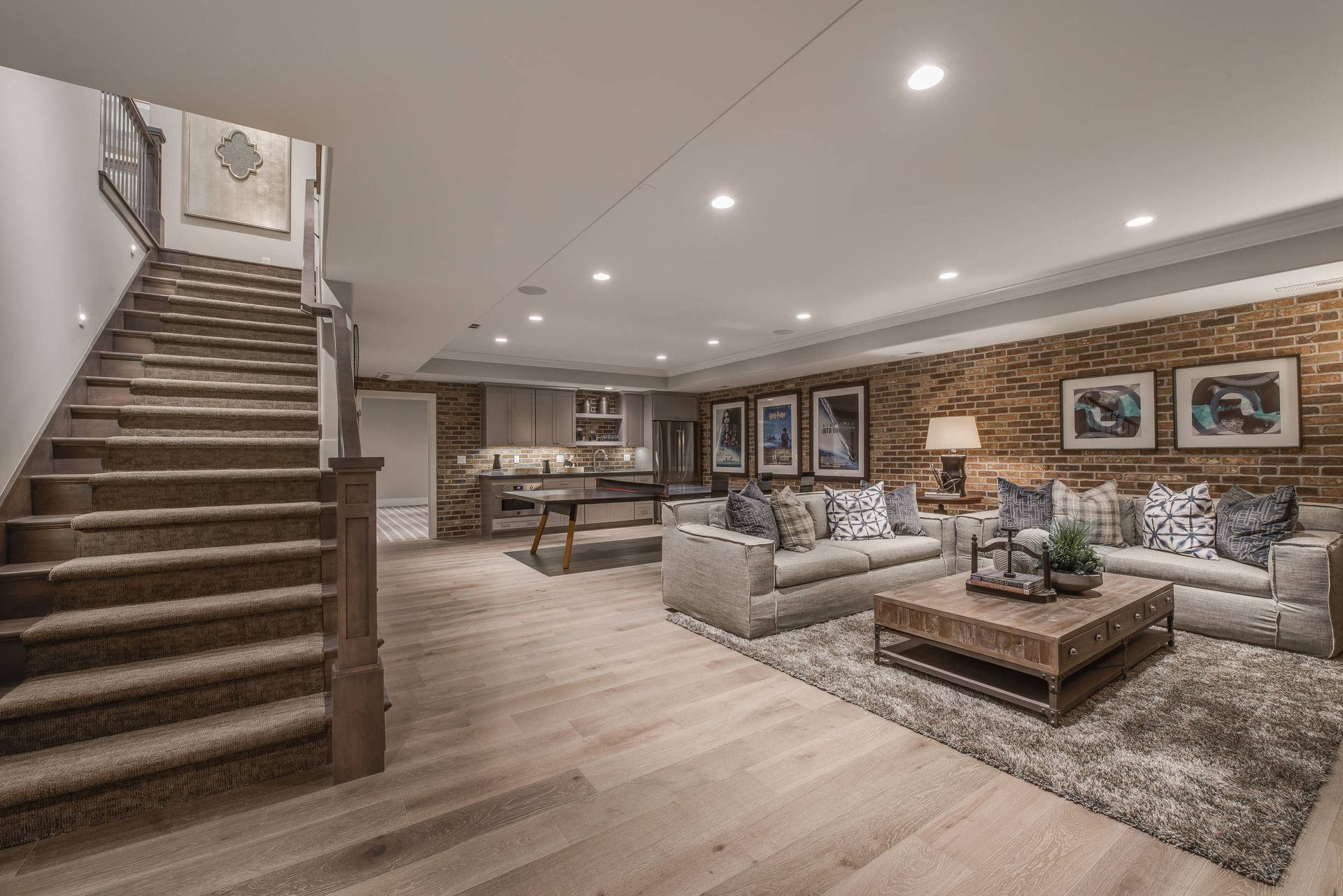
Media rooms with hidden speakers, motorized screens, and recessed lighting that match the architectural aesthetic
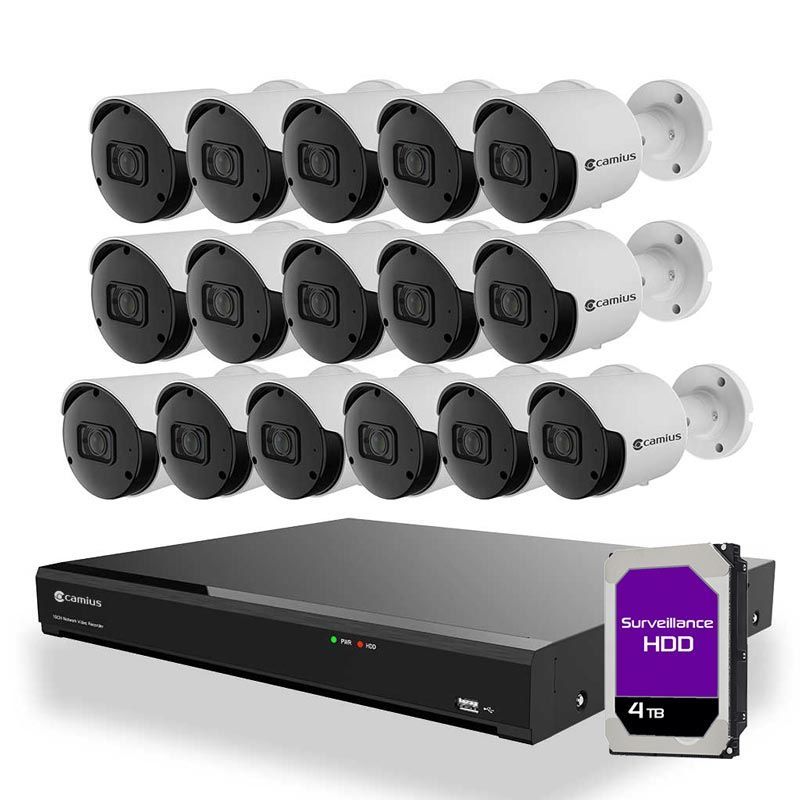
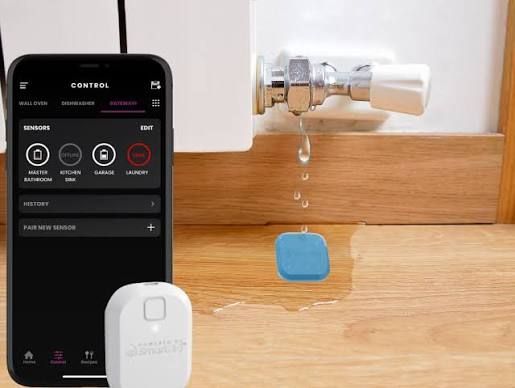
Security systems with smart cameras and entry systems discreetly embedded into the home’s structure
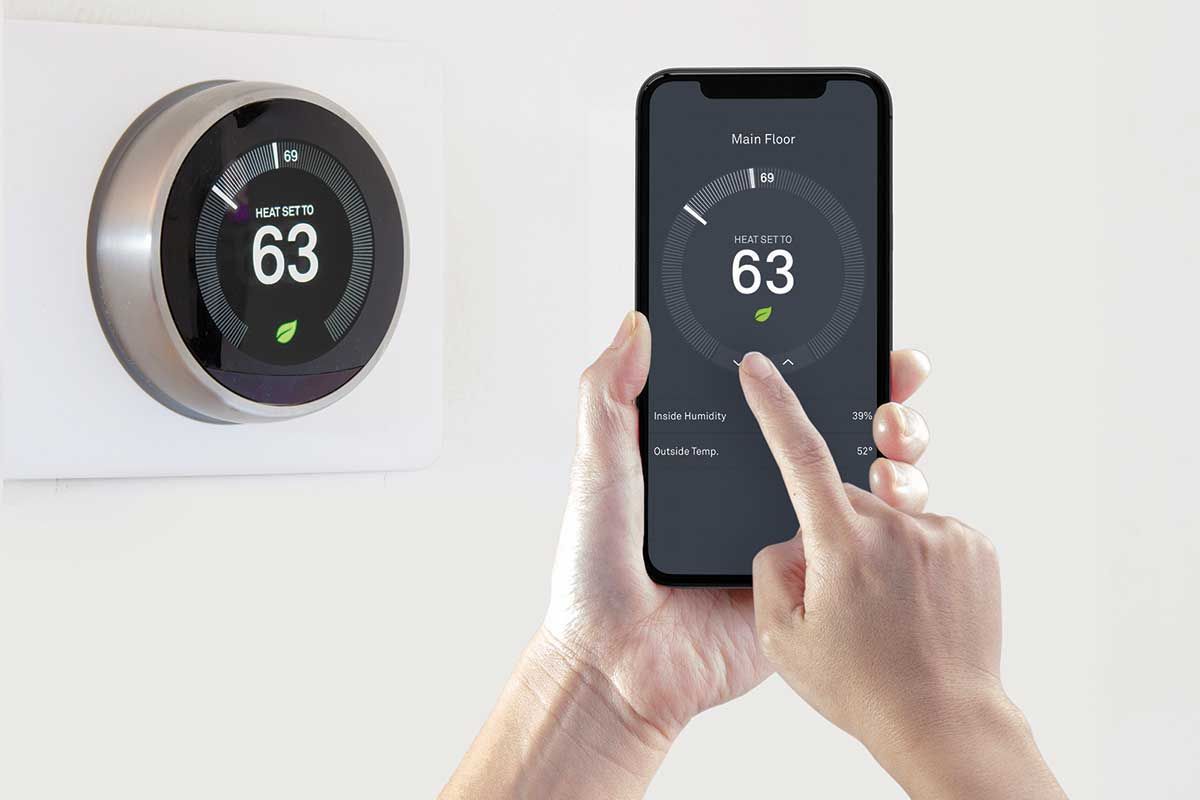
Climate control that adjusts invisibly, with no clunky thermostats interrupting wall flow
Each of these touches might go unnoticed on their own — but together, they elevate the feel of the space dramatically.
Collaboration is Key
We believe in co-creating these environments. That means:
Designers guiding layout, finish, and spatial flow
Technologists advising on placement, connectivity, and functionality
Homeowners sharing their needs and lifestyle preferences
The most successful projects are those where everyone is at the table from the beginning. Open communication and shared goals help avoid costly missteps, reduce redesigns, and ensure that both aesthetic and functional expectations are met.
When technology and design teams align early, the result is a seamless blend of form and function that serves the client — and the space — for years to come.
The Path Forward: Designing Homes That Think and Feel
As smart home technology becomes more embedded in how we live, the demand for spaces that balance innovation with intentional design will only grow. Whether you're designing a modern new build or updating an existing home, the future lies in thoughtful integration — where every button, sensor, and wire supports a space that is not only intelligent, but also inviting. By embracing collaboration and planning with both design and technology in mind, we can create homes that feel as good as they function.
Want to learn more about the value of integrating technology and design? Click the link below to register for our free CEU course "Integrating Technology and Design".
Link to register