Hiding the Technology: Blending Speakers, Keypads, and Screens into Your Interior Design
Gurinder Khabnra • September 23, 2026
Hiding the Technology: Blending Speakers, Keypads, and Screens into Your Interior Design
Nobody wants a beautifully designed living room that's dominated by black boxes, dangling cables, and mismatched switch plates. The best smart homes are the ones where you barely notice the technology at all. You notice how the room feels, the music that seems to come from nowhere, and lighting that's just right. That kind of seamless result comes from planning the tech alongside the design instead of adding it at the end.
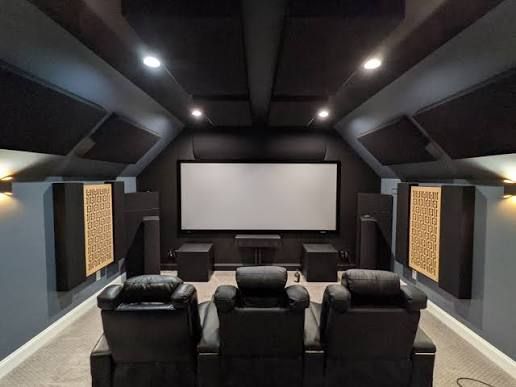
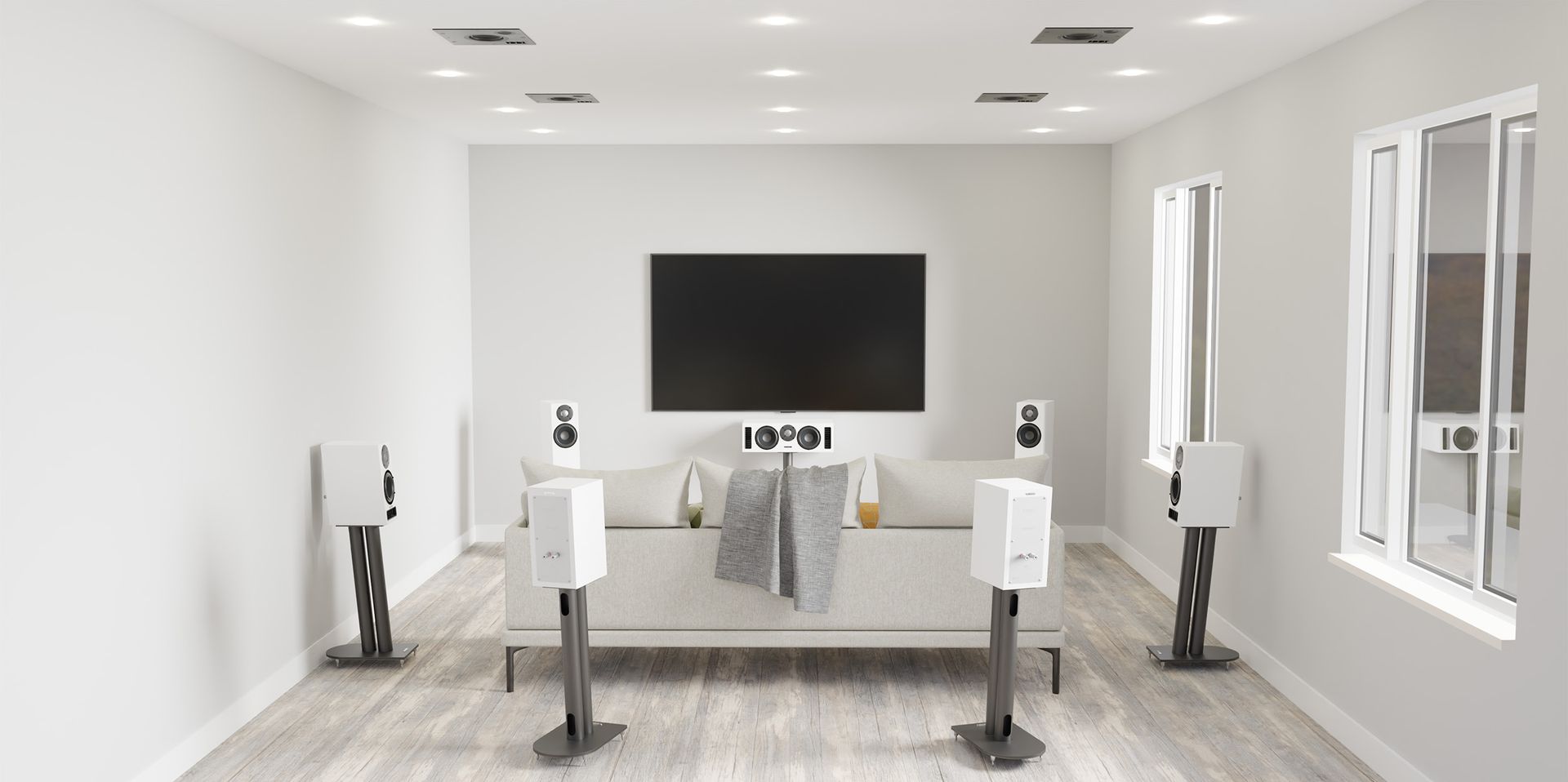
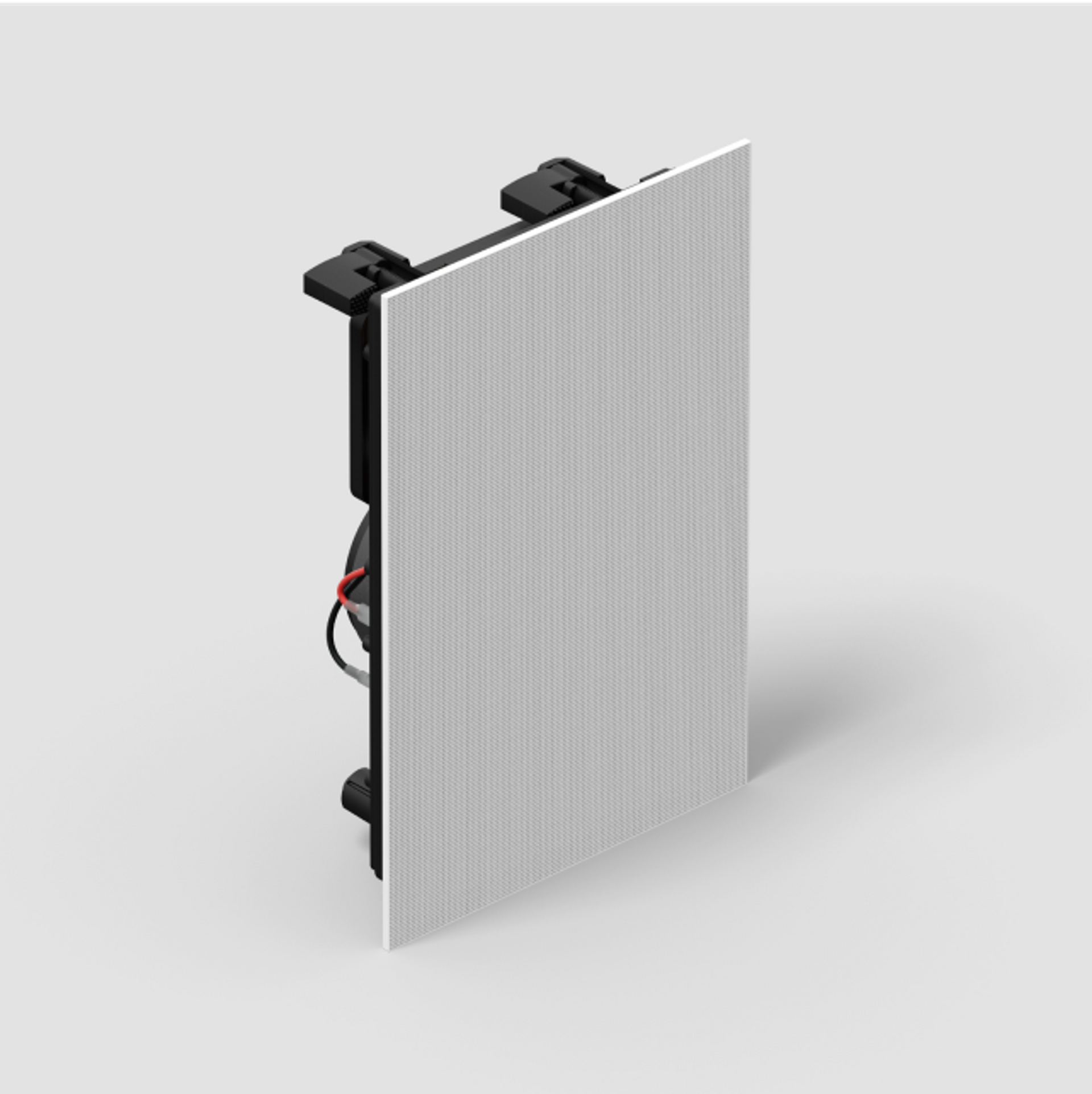
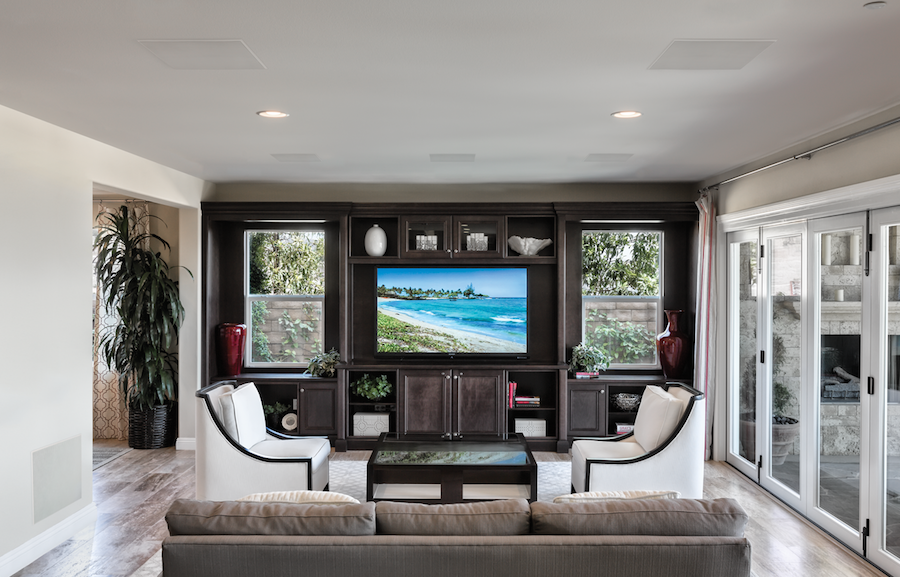
Speakers are one of the easiest places to make this happen. In-ceiling and in-wall speakers sit flush with the surface and can be painted to match, with trimless grilles that nearly disappear. They also spread sound more evenly through a room than a pair of bookshelf speakers. You get better audio without giving up any floor space.
Keypads and switches can be just as discreet.
Modern lighting control keypads come in a variety of finishes and colors, and buttons can be custom engraved so they're easy to use without looking cluttered. Instead of a wall covered with five or six switches, one keypad can control the lights, shades, and music for the whole room. That's cleaner to look at and easier for guests to figure out.
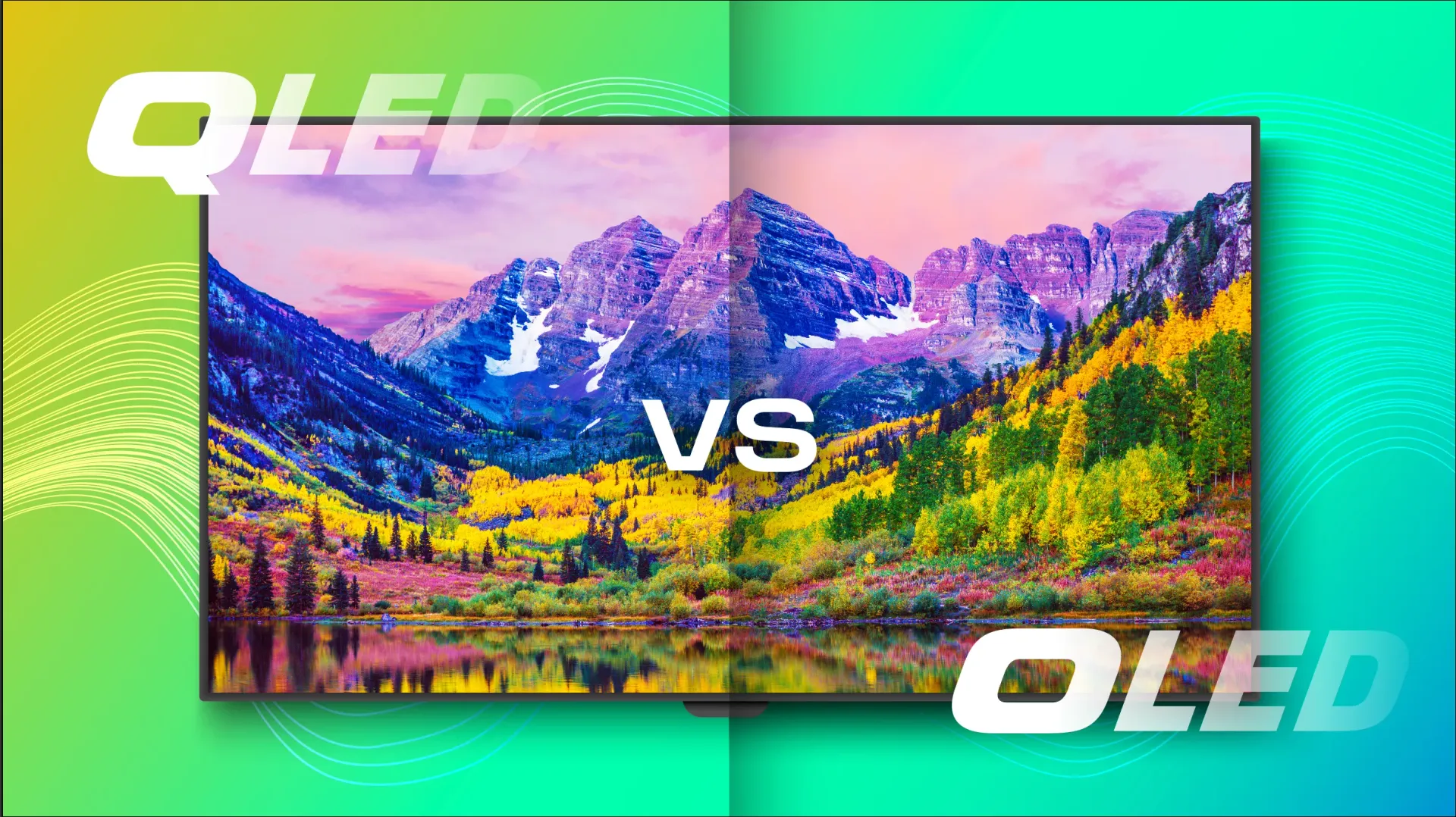
Screens can blend in too. TVs can be mounted flush to the wall with recessed boxes, hidden behind sliding art panels, or built into cabinetry that closes when the screen isn't in use. Some manufacturers, such as Séura, make mirror TVs that look like an ordinary mirror until you turn them on. It's a popular choice for bathrooms and living spaces where a black rectangle would stand out.
Motorized shades deserve a mention. Installed in recessed pockets or behind valances, they disappear completely when open, leaving a clean window frame. Fabric choices can be coordinated with the rest of the room so the shades look like a design decision rather than an add-on.
Behind the scenes, equipment is best kept out of sight altogether. Routers, amplifiers, and processors can live in a dedicated closet or cabinet with ventilation, with cables neatly labeled and organized. Living spaces stay clutter free, and future service gets easier.
Lighting is where design and technology overlap the most.
Layered lighting, with dimmable recessed fixtures, accent lights, and lamps, all tied to preset scenes, lets a room change character from bright and practical during the day to warm and relaxed at night. That flexibility is a big part of what makes an interior feel finished.
The key is timing. Bringing your automation installer into the conversation early, ideally while you're working with an interior designer or builder, means speaker locations, wiring, and equipment spaces can be planned around the design instead of forced into it. It's much harder to hide technology after the walls are finished.
When the two work together, the result is a home that looks the way you imagined and works the way you need it to, with none of the gadgets getting in the way.