Does a Smart Home Increase Your Property Value?
Gurinder Khabnra • September 23, 2026
Does a Smart Home Increase Your Property Value?
It's a question homeowners ask before spending money on automation, and it's a fair one. Will a smart home system pay you back when it's time to sell? The honest answer is that it depends on what you install, how well it's done, and who's shopping for your home. There's no guaranteed dollar figure. There is good reason to think the right upgrades help.
Buyers care about features that make daily life easier and safer. Surveys of buyers and real estate agents have generally shown strong interest in security features, smart thermostats, and lighting control, though the exact effect on price varies by market and by home. The features that tend to resonate most are the ones people can understand and use right away, like cameras, smart locks, and comfortable, well lit rooms.
How a system is installed makes a big difference.
A clean, professional installation with tidy wiring, a reliable network, and a simple app feels like a real feature of the home. A tangle of mismatched gadgets and half working devices feels like a chore to inherit. Buyers are usually happy to get a system that works smoothly and is easy to understand, and much less happy to get one that seems complicated.
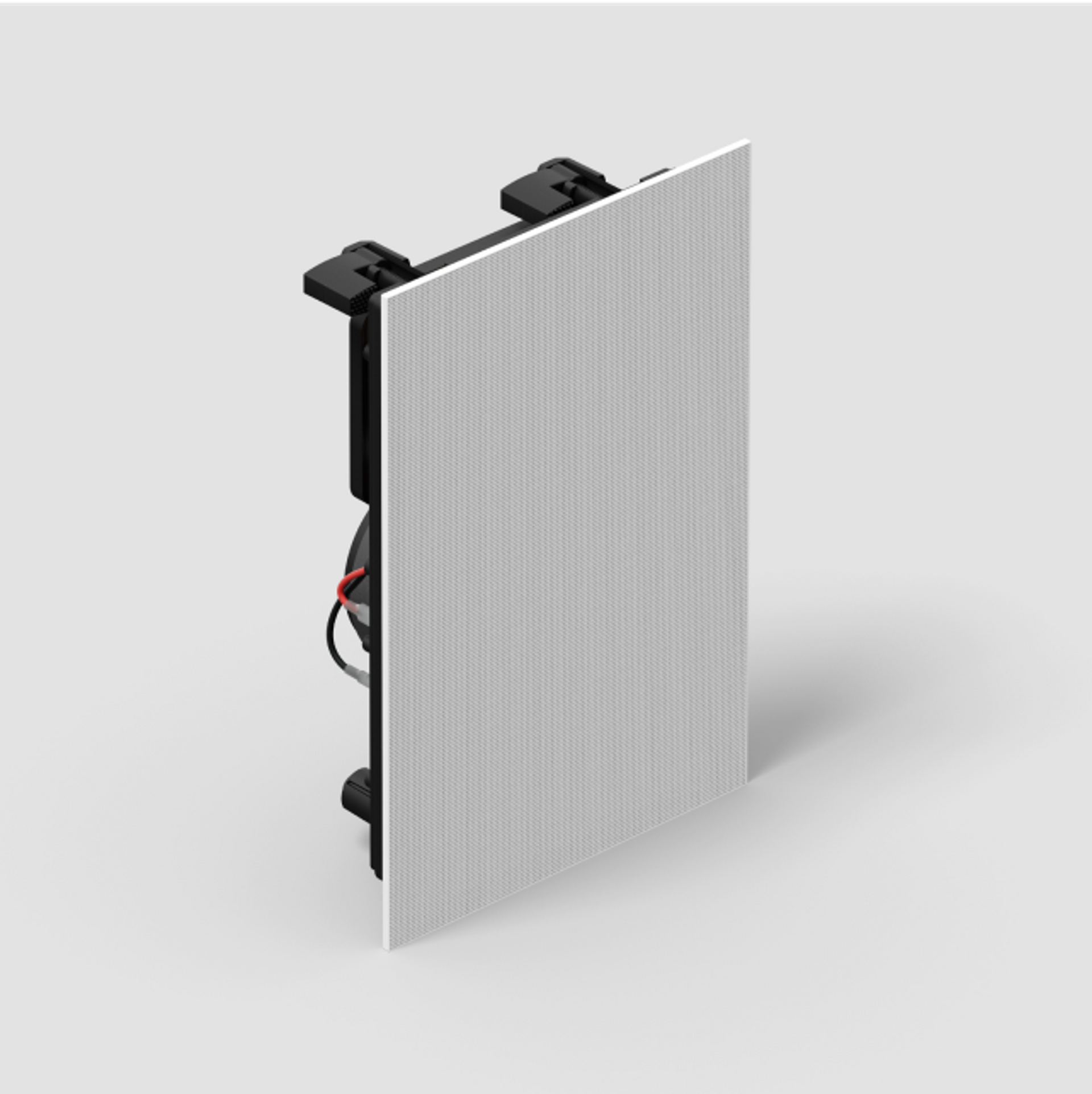
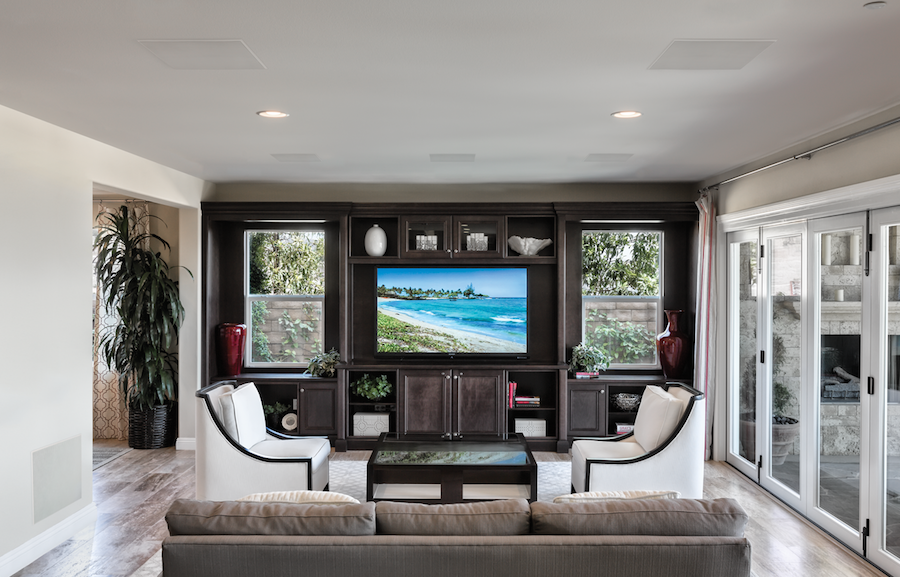
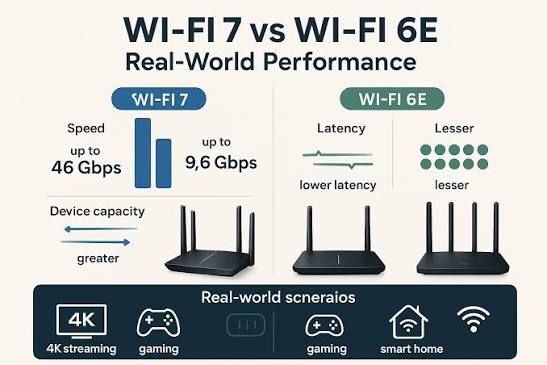
Some upgrades help beyond the price tag. A home with great Wi-Fi coverage, hardwired connections for TVs and access points, and prewired speakers is more appealing, particularly to the growing number of people who work from home. Motorized shades and quality lighting control can make a home feel more luxurious in listings and showings, and they photograph well.
Energy efficiency is another selling point. Smart thermostats, lighting controls, and insulating shades can reduce utility costs, and lower operating costs appeal to buyers. In a state with cold winters, that matters.
It's also worth thinking about the difference between built in and portable technology.
Things that are part of the house, such as wiring, lighting control, and in-wall speakers, tend to add more lasting value than gadgets that go with you when you move. Tech that's tied to your personal accounts should be transferred or reset for the new owner, so keep records of what's installed and how to hand it over.
Timing plays a role. Technology changes quickly, and equipment that felt cutting-edge a decade ago can feel dated. That's why it's better to invest in solid infrastructure and platforms that can be updated, rather than chasing every trend.
Finally, don't forget that a smart home has value while you live in it. The comfort, security, and convenience you get each day are real returns. If it also helps your home stand out when you sell, that's a bonus. If you're thinking about resale, ask a local real estate agent which features buyers in your area respond to, and talk with an installer about how to build them in.