What Happens After Installation? Smart Home Service Plans and Ongoing Support
Gurinder Khabnra • October 24, 2026
What Happens After Installation? Smart Home Service Plans and Ongoing Support
When people shop for a smart home system, they usually focus on the equipment and the installation. Which lights? Which speakers? How many cameras? Those are important questions. But one question often gets overlooked: what happens after the installer leaves?
A smart home is a lot like a car. It needs occasional updates, adjustments, and maintenance to keep running well. Understanding what ongoing support looks like can help you choose the right installer and avoid frustration down the road.
Why smart homes need ongoing support
Technology changes. Software and firmware updates come out regularly for network equipment, cameras, control systems, and streaming devices. Some updates fix bugs or security issues. Others add features. Occasionally, an update from one company changes how a device works with another system.
Your life changes, too. You might get a new TV, add a room, change your schedule, or want to adjust a lighting scene. Family members come and go. A system that was perfect on day one may need fine-tuning as time goes on.
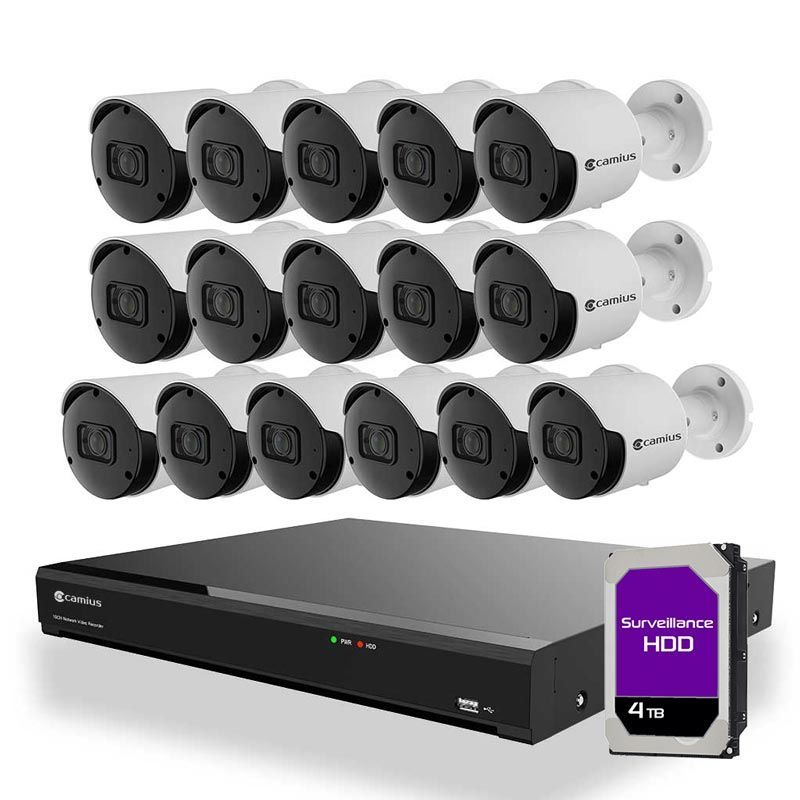
Equipment also ages. Batteries in sensors and shades need replacing. Hard drives in camera recorders eventually wear out. Network equipment may need upgrading as you add devices and demand more bandwidth.
What a service plan typically includes
Service plans vary by company, but many include some combination of the following. Remote monitoring of key equipment, such as the network, so problems can be caught early. Remote support, allowing a technician to troubleshoot and make changes without a home visit. Priority scheduling when an in-person visit is needed. Software and firmware updates managed by the installer. Periodic check-ups to review performance and make adjustments. Discounts on labor or new equipment.
Some plans are monthly, and others are annual. Some companies offer different levels of coverage depending on the size and complexity of your system.
The value of remote monitoring
One of the biggest benefits of a service plan is proactive monitoring. Many network and control systems can alert your installer when something goes offline. A technician may be able to restart a device remotely and solve the problem before you notice. For second homes and vacation properties, this can be especially valuable.
Updates done the right way
It might seem like updates should be automatic, and many are. But in a professionally integrated system, updates can sometimes cause compatibility problems. Some integrators prefer to test updates before applying them, or to schedule them at a convenient time. A service plan typically includes this kind of management.
What to ask your installer
Before choosing an installer, ask how they handle support after the job is done. Do they offer service plans? What's included? How quickly do they respond to service calls? Can they support your system remotely? What happens if you need help on a weekend? Do they keep documentation of your system, such as wiring, equipment, and passwords?
Documentation is especially important. If you ever sell your home or need to work with a different company, a clear record of what's installed and how it's configured makes everything easier.
Do you need a service plan?
Not every home needs a formal service plan. A simple system with a few devices may only need occasional help. But for larger systems that include lighting control, whole-home audio, cameras, security, and network equipment, a service plan can provide peace of mind and keep everything running smoothly.
Think of it as protecting your investment. A smart home that's well maintained will serve you better and last longer.
A good integrator doesn't disappear after installation. Ask about ongoing support before you start, and you'll know your system will be cared for long after the last wire is hidden.