Smart Lighting Control: Energy Savings and Everyday Convenience
Gurinder Khabnra • September 11, 2026
Smart Lighting Control: Energy Savings and Everyday Convenience
Lighting is often the very first thing homeowners automate, and it's not hard to see why. It touches every room, it's something you interact with dozens of times a day, and the upgrade from a manual switch to a smart system is immediately noticeable.
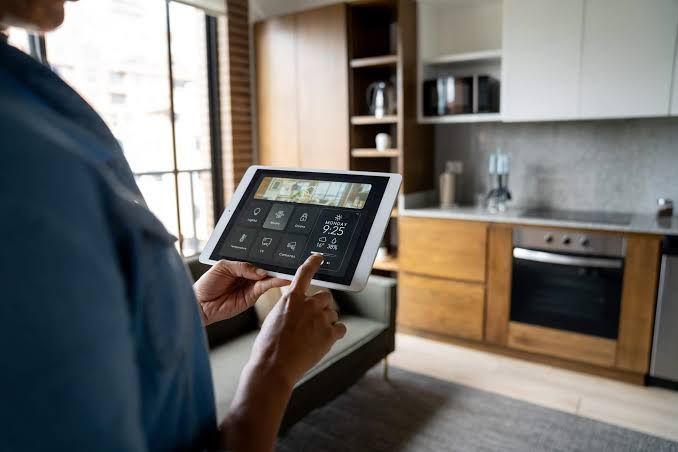
At the simplest level, smart lighting means your lights can be controlled without physically flipping a switch. That could be through an app, a voice assistant, a wall mounted keypad, or an automatic schedule. The real value shows up once you start layering these controls together into scenes and routines that match how you actually live.
Take a typical morning.
Instead of walking through the house turning on lights room by room, a single "good morning" scene can bring the kitchen and hallway up to a comfortable brightness while leaving the bedroom dim for anyone still asleep. In the evening, an "away" setting can randomly cycle lights on and off in a pattern that makes an empty house look occupied, which is a simple but effective deterrent while you're on vacation.
Dimming is a feature that seems minor but ends up being one of the most used aspects of any smart lighting system. Being able to set the exact brightness for a dinner, a movie, or a quiet evening, and save that setting to recall instantly later, changes how a room feels without any extra effort. Traditional switches only offer on or off, and even dimmer switches usually don't remember your preferred level from one use to the next.
Energy savings are real and measurable, not just a marketing talking point.
Lights that automatically turn off in unoccupied rooms, using motion or occupancy sensors, eliminate the classic problem of a light left on in an empty room for hours. Scheduled dimming, where lights run at a lower brightness during the day and increase in the evening, also uses meaningfully less energy over the course of a year compared to lights that are always run at full brightness.
Color temperature affects more than most people expect. Cooler, bluer light in the morning can help you feel more alert, while warmer, amber toned light in the evening supports winding down before bed. Some systems can shift color temperature automatically throughout the day to match natural daylight patterns, which is especially useful during Montana winters when daylight hours are short.
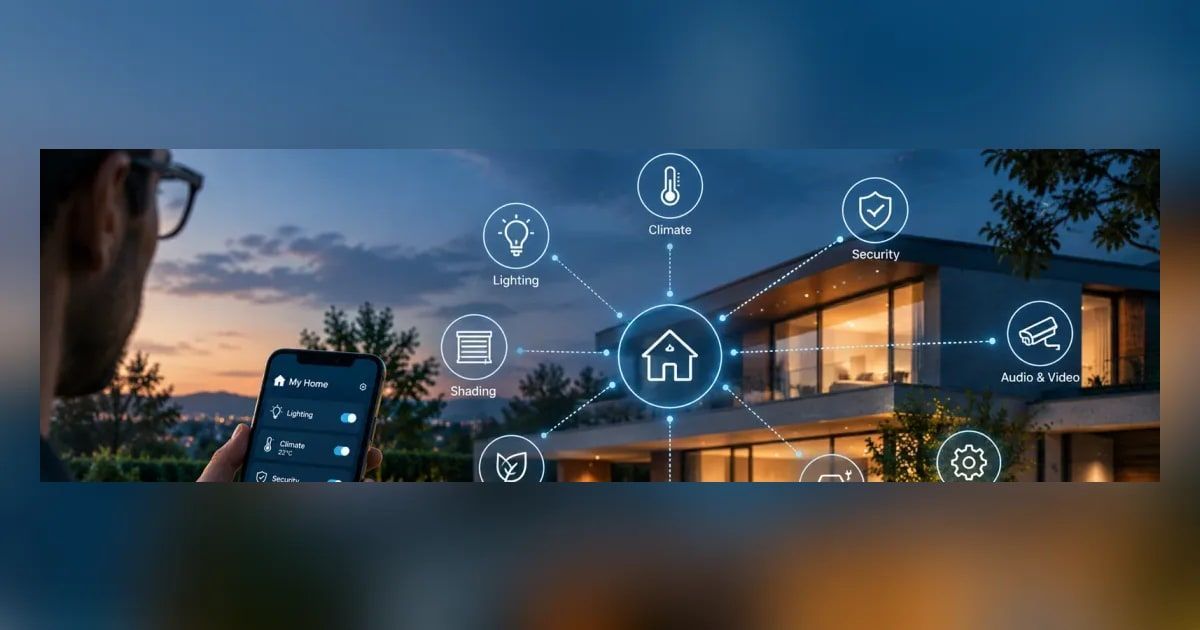
Integration is where smart lighting becomes part of a bigger picture rather than a standalone convenience.
When lighting is tied into security, a triggered motion sensor at night can flood exterior lights on automatically. When it's tied into entertainment, dimming the lights can become part of a movie night scene alongside lowering the shades and turning on the TV.
Retrofitting an existing home for smart lighting is usually more straightforward than people expect, since most systems are designed to work with existing wiring rather than requiring a full rewire. Whether you're starting with a single room or planning whole home coverage, smart lighting tends to be one of the fastest ways to feel the benefit of automation in daily life.