How Automated Shades Protect Your Furniture and Floors from UV Fading
Gurinder Khabnra • September 23, 2026
How Automated Shades Protect Your Furniture and Floors from UV Fading
Sunlight is one of the best things about a home with big windows. It's also one of the most damaging things for what's inside. Over time, sun exposure fades hardwood floors, rugs, upholstery, artwork, and leather furniture. The change is gradual enough that you might not notice it until you move a rug and see a sharp line where the color used to match.
Ultraviolet light gets most of the blame, but it isn't the only cause. Visible light and heat contribute to fading as well. Once the damage is done, it generally can't be reversed. Prevention is the best strategy.
Window glass helps, especially modern low-E coatings, but it doesn't block everything. That's where shades come in. Closing them during the brightest part of the day can dramatically cut the amount of light hitting your floors and furniture. The problem is that most of us forget. We leave for work with the shades open, and the strongest afternoon sun pours into an empty house.
Automation solves that.
Motorized shades can follow a schedule that lowers them when the sun hits a particular side of the house and raises them again once it passes. Many systems use an astronomical clock that adjusts to the season, so the timing stays accurate as the sun's path changes between summer and winter. Some setups can also use light sensors that respond to actual sunshine, not just the time of day.
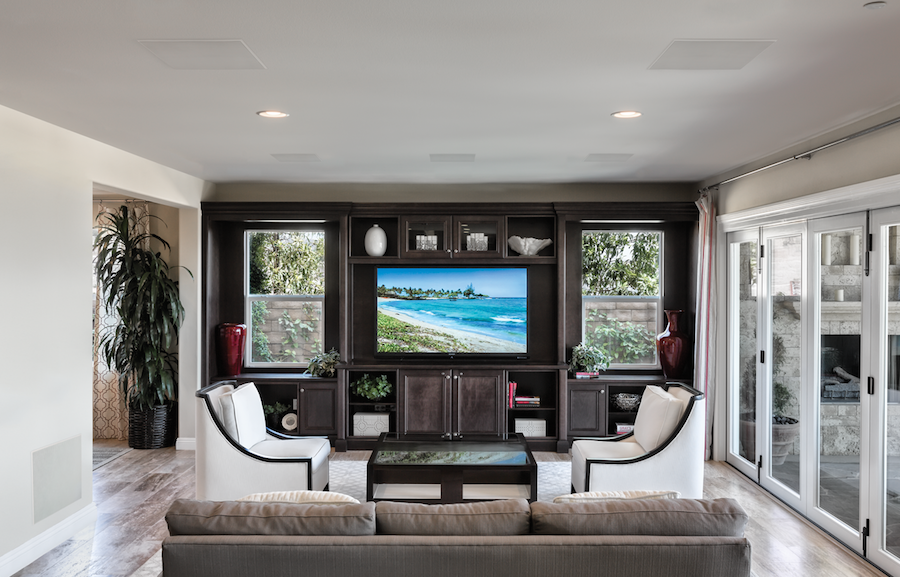
The results add up. South and west facing rooms tend to take the harshest sun, and a great room with floor to ceiling windows can be especially vulnerable. Automated shades protect the floors, furniture, and art in these spaces without asking you to do anything.
The choice of fabric matters, too. Solar shades are made to filter light and reduce glare and UV while keeping some of the view. Their openness factor, which describes how tightly the fabric is woven, determines how much light gets through. A lower number blocks more sun, while a higher one preserves more of the view. Blackout fabrics are the most protective and work well in rooms with delicate items.
Montana adds its own wrinkle.
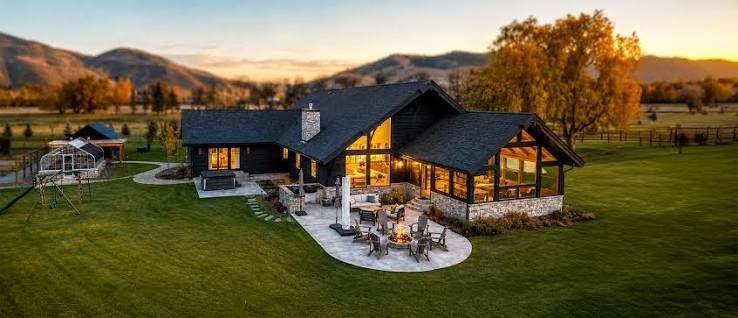
At higher elevations, sunlight can be intense, and winter snow reflects light back into the home at low angles. Even on a cold day in January, that glare can be strong enough to cause fading and make screens hard to see.
Automation also protects your home when you're away. If you travel or own a second home, scheduled shades keep sunlight off your belongings while you're gone, and they add a bit of insulation, too. It's a quiet, behind-the-scenes upgrade that protects the things you've invested in. You'll likely never have to think about it.