Why Smart Home Solution?

January 16, 2025

Why Smart Home Solutions is Proud to Install Alta Labs Products

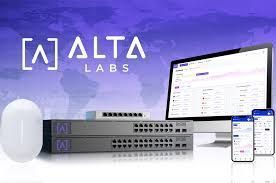
Image of Alta Labs Product Line up, available at Smart Home Solutions
At Smart Home Solutions, we understand the critical balance between affordability, performance, and security in smart home devices. This is why we proudly recommend and install Alta Labs products. Alta Labs is redefining what it means to have reliable, secure, and cutting-edge home network solutions, offering not just innovative technology but also a steadfast commitment to cybersecurity and customer service.
Why Cheap Networking Equipment Can Be a Risk

Many consumers turn to low-cost networking equipment like TP-Link to save money, but these savings often come with significant trade-offs. Security experts have raised concerns about such products due to:

1. Insufficient Security Measures

Low-cost devices often lack robust encryption and other advanced security features, leaving networks vulnerable to cyberattacks.

2. Limited Firmware Updates

Budget manufacturers may not provide regular firmware updates, leaving devices exposed to known vulnerabilities.

3. Privacy Concerns

Cheaper products might not prioritize user privacy, potentially collecting and mismanaging sensitive data.

These issues are compounded by the widespread adoption of these devices, which makes them a prime target for hackers. For these reasons, experts often recommend replacing low-cost networking equipment with more secure and reliable alternatives.

Alta Labs: A Benchmark in Security and Reliability

In a world where many IoT products are priced for mass-market appeal at the expense of security, Alta Labs stands out with its unwavering focus on quality and protection. Here's why Alta Labs is a top choice:

1. Advanced Security Measures
Alta Labs integrates state-of-the-art security protocols into their devices, ensuring that your network is protected against modern cyber threats.

Regular Firmware Updates: Alta Labs takes device security seriously, providing consistent and timely firmware updates to patch vulnerabilities and improve performance.

Secure Connections: With robust encryption standards and secure communication protocols, Alta Labs devices prevent unauthorized access and data interception.

2. Data Privacy by Design
Alta Labs prioritizes user privacy, ensuring that personal data remains private and secure. Unlike some competitors, they adhere to strict data-handling policies, reducing the risk of unauthorized data collection or misuse.

3. Reliable US-Based Tech Support
Alta Labs distinguishes itself with its US-based technical support team. This means:

Faster Resolution: Direct access to knowledgeable professionals who understand the product and the unique needs of US customers.

Clear Communication: No language barriers or frustrating automated systems—just real people ready to help.

Proactive Assistance: Their team doesn’t just fix problems; they provide guidance on optimizing your network for peak performance and security.

Why Alta Labs is a Perfect Fit for Smart Home Solutions

At Smart Home Solutions, we’ve seen firsthand how Alta Labs products transform smart home setups into secure, efficient, and future-proof systems. We chose to partner with Alta Labs because their commitment to quality aligns perfectly with our mission to provide our clients with the best solutions on the market.

Enterprise-Grade Features: Alta Labs brings features typically reserved for enterprise environments—like advanced traffic management and network monitoring—into homes and small businesses.

Elegant Design: Their sleek, modern hardware blends seamlessly into any home or office environment.

Ease of Use: Alta Labs devices are user-friendly, ensuring that even non-tech-savvy clients can enjoy a reliable and secure network.

Real Client Experiences with Alta Labs and Smart Home Solutions

At Smart Home Solutions, we’re committed to solving even the toughest networking challenges. Here are two glowing reviews from our clients, showcasing the difference Alta Labs products and our expertise can make:

Review #1:

"Jason was amazing. We were having bizarre interference issues that no one could troubleshoot (Spectrum, electricians, IT professionals, etc.). He came over, did some tests, and installed different equipment on a hunch—an educated hunch. Voilà, it worked! He then came back to do a proper install, and everything works like a dream now. 100% would recommend!"

This review highlights the importance of combining expert knowledge with high-quality products like Alta Labs, which are designed to overcome complex connectivity problems.

Review #2:

"Jason was very responsive and great with communication. He also problem-solved a seemingly impossible WiFi interference issue for us, and now we have reliable internet again. I would absolutely recommend him!"

Thanks to Alta Labs’ advanced networking capabilities and our team’s dedication, even the most stubborn issues can be resolved quickly and efficiently. These reviews reflect why Smart Home Solutions is proud to recommend Alta Labs to all of our clients.

Smart Home Solutions + Alta Labs: A Secure Future

The increasing interconnectedness of smart devices calls for a proactive approach to network security. By partnering with Alta Labs, Smart Home Solutions is ensuring that our clients receive not only cutting-edge technology but also the peace of mind that comes with a secure and reliable network.

If you’re ready to upgrade your network with Alta Labs products or want to learn more about how they can improve your smart home experience, contact us today. Together, we’ll build a smarter, safer home.

By Jason Smith December 6, 2025
For years, Smart Home Solutions served Montana homeowners with reliable, professional smart home technologies—from security camera installations to whole-home audio and high-performance networks. As demand grew and smart technology evolved, our mission expanded as well. Today, we proudly continue that mission as Level Up Automation Montana, delivering the same trusted service with the strength, resources, and innovation of a national brand behind us. But our roots haven’t changed. Our commitment to reliable installations, clean workmanship, and honest service has only grown stronger. ⭐ Keeping the Montana Spirit, Expanding the Capability What started as a local team helping homeowners modernize their spaces has grown into a full-service smart home integration business. Whether you knew us as Smart Home Solutions or are discovering us now as Level Up Automation Montana, our focus remains clear: ✔ Strong networks ✔ Reliable security ✔ High-performance audio ✔ Seamless smart home experiences ✔ Clean, professional installation every time Our recent projects reflect that evolution. ⭐ A Look at the Work That Defines Us Here’s a quick tour of the types of installations we continue to bring to homes and businesses across Montana: 🔹 Clean and Organized Network Racks A strong smart home begins with a strong network. We’ve continued installing clean, well-designed network racks—like a recent Hamilton, MT project featuring structured wiring, proper ventilation, and high-reliability connectivity. These systems support everything from streaming to automation to whole-home Wi-Fi. 🔹 Premium Audio Powered by Sonos & MartinLogan Montana homes deserve great sound. We’ve installed MartinLogan in-ceiling speakers powered by Sonos Amps, delivering elegant, discreet audio solutions that blend seamlessly into kitchens, living rooms, and whole-home systems. These solutions offer high-fidelity sound with simple app control—exactly what modern homes need. 🔹 Professional Security Camera Installations From residential homes to metal commercial buildings, we provide secure, high-visibility camera coverage. Recent installs include Ring Floodlight Cams, commercial-grade cameras, and custom surveillance layouts—each designed to withstand Montana weather while delivering crystal-clear monitoring. ⭐ One Mission, One Standard: Better Living Through Better Technology Our past and present work share the same goal: help Montana homeowners feel connected, protected, and empowered by their technology. Under Level Up Automation Montana, we now offer expanded services, access to more products, and a deeper support network—without losing the local responsiveness our customers value. We’re proud to continue serving: Hamilton Missoula Florence Stevensville Bitterroot Valley And surrounding Montana communities ⭐ Ready to Upgrade Your Home or Business? Whether you remember us as Smart Home Solutions or are meeting us now as Level Up Automation, we’re here to help Montana homes operate smarter, safer, and more efficiently. Explore our services or request a consultation here: 👉 https://www.levelupyourhome.com/montana
By Jason Smith November 16, 2025
It’s tempting to believe everything in a modern smart home can run on Wi-Fi. Device manufacturers market “wireless only” as clean, simple, and future-ready. But in real homes across Montana, we see the opposite: The most reliable, high-performance smart homes are built on a hardwired backbone, with Wi-Fi used strategically — not for everything. As a Level Up Automation partner here in Montana, Smart Home Solutions designs, wires, and supports smart homes every day. And we can tell you with confidence: pulling low-voltage wire during construction or remodel is one of the smartest investments you can make. Let’s break down why. Wireless Isn’t Bad — It’s Just Not Enough To be clear: Wi-Fi isn’t the enemy. You need wireless for: Phones and tablets Laptops and casual browsing Voice assistants and handheld remotes Some smart devices that don’t offer a wired option But Wi-Fi has real limits. It’s: Shared by every wireless device in your home Affected by walls, distance, and interference Sensitive to congestion when many devices are active A hardwired network doesn’t have those problems. When we wire your core devices and strategically place wired access points, Wi-Fi can do what it does best—serve mobile devices—without being overloaded by everything else. You Have 1 Gig Coming In. Why Doesn’t It Feel Like 1 Gig? Many Montana homes we work on now have 1 gigabit (or faster) internet service. On paper, that sounds like endless speed. In practice, it’s more like this: Your internet service brings up to 1 Gbps into your router. Your router then shares that bandwidth across all connected devices: wired and wireless. Wi-Fi clients are all competing for airtime on the same radios. Now imagine a typical modern home: 2–4 smart TVs streaming HD or 4K 6–12 security cameras 2 parents on video calls 2–4 kids gaming or streaming 30–60 “smart” devices (thermostats, locks, lights, doorbells, speakers, etc.) Even if each device doesn’t use a ton of bandwidth, Wi-Fi radios can only handle so many active conversations at once. The more devices you stack on top, the more: Latency increases Buffering happens Calls drop Apps feel “laggy” And this leads to a common complaint we hear: “We’re paying for fast internet, but things still feel slow.” Often, the problem isn’t your internet service. It’s the way everything is fighting over Wi-Fi. Why Hardwired Devices Perform More Consistently Let’s talk about what happens when you plug things in. When a device is hardwired (using CAT6 or better) into your network: It doesn’t rely on signal strength or distance. It doesn’t share wireless airtime with other devices. It gets lower latency and more consistent throughput. It frees up Wi-Fi capacity for devices that truly need wireless. Most modern routers and network switches are designed so that wired traffic is handled faster and more predictably than wireless traffic. Wired connections are: Full-duplex (can send and receive at once) Less error-prone Not contending for space on the radio So when we hardwire: Smart TVs and streaming boxes Gaming consoles Network video recorders (NVRs) Smart home processors and controllers Desktop computers and workstations Audio systems and AV racks Security systems …we dramatically reduce the load on your Wi-Fi and give those devices rock-solid performance. Wired Access Points vs Mesh Wi-Fi: What’s the Difference? This is one of the most important distinctions we explain to homeowners and builders. Mesh Wi-Fi (Wireless Backhaul) Popular mesh systems (Eero, Orbi, Google Nest, etc.) usually work like this: You place several nodes around your home. Those nodes talk to each other wirelessly (this connection is called backhaul). The same wireless spectrum is used both for backhaul and for your devices. The downside? Every time mesh nodes talk to each other, they use up airtime that your phones, laptops, and TVs also need. As you add more mesh points, you can actually add more overhead and more interference, not just more coverage. Mesh is an improvement over a single cheap router in a closet, but it’s still a compromise. Wired Access Points (Structured Network Design) A wired access point system — like what we design and install as Level Up Automation Montana — works differently: Each access point is connected back to the main network using hardwired CAT6. The “backhaul” is all on wire, not over the air. Wireless radios on each AP are focused on serving your devices, not talking to each other. The benefits: Faster, more consistent Wi-Fi speeds throughout the home Much better performance under load (multiple streams, cameras, calls, etc.) Cleaner hand-offs as you move from one area to another Enterprise-style reliability in a residential setting This is the same architecture used in offices, schools, and commercial spaces—scaled and tuned for your home. Short-Term Benefits of Pulling Wire During Construction If you’re in the design, framing, or rough-in phase of a new home or major remodel, pulling low-voltage wire right now delivers immediate benefits: Better Wi-Fi performance from day one, thanks to wired access points Cleaner TV and AV installations with hidden wiring instead of visible cables Less strain on your wireless network when high-demand devices are wired Fewer callbacks and frustration over “mystery Wi-Fi issues” And compared to what you’re already spending on the rest of the project, low-voltage wiring is a relatively small line item with outsized impact. Long-Term Benefits: Future-Proofing Your Smart Home Here’s where wiring really pays off over the life of the home. 1. Ready for Whatever Comes Next 8K streaming, VR, AR, new smart home platforms, AI-powered devices—these all demand stable, high-bandwidth connections. Your low-voltage wiring can last decades. Wi-Fi standards will change every few years. 2. Less Destructive Work Later Trying to retrofit wiring into a finished home is messy: cutting drywall, fishing wires, patching and painting. Doing it while walls are open is vastly cheaper and cleaner. 3. Higher Resale Appeal Buyers are increasingly asking about: Strong Wi-Fi and coverage Wired home office options Pre-wire for audio, security, and networking A home with structured wiring and wired access points stands out. 4. More Reliable Security & Life Safety Security cameras, alarm systems, access control, and NVRs all benefit from being wired. When it comes to security, we want fewer variables and more certainty. 5. A Better Everyday Experience When the network just works, you notice it by not noticing it: No random buffering Fewer dropped calls Less “tech support” stress for the whole family The Right Mix: Hardwired Backbone + Smart Wireless The goal isn’t to get rid of Wi-Fi. The goal is to design a balanced, high-performance smart home network: A hardwired backbone (CAT6 or better) for your heavy-use and always-on devices Wired access points placed strategically for full-home coverage Wi-Fi reserved for mobile devices and gear that truly needs to be wireless This is the approach we take on every Level Up Automation Montana project, whether we’re working with a builder, architect, designer, or homeowner directly. Planning a New Build or Remodel in Montana? Let’s Get the Wiring Right. If you’re building or renovating in Missoula, the Bitterroot, or anywhere in Western Montana, this is the perfect time to design your network the right way: Pre-wire for data, audio, and video Plan locations for wired access points Decide which devices will be hardwired vs wireless Coordinate with your builder, electrician, and designer so everything works together At Smart Home Solutions, your local Level Up Automation partner, we handle: Design – smart home networking, Wi-Fi, and device layout Pre-wire & trim-out – clean, documented, labeled cabling Programming & support – so your smart home feels simple, not overwhelming
November 3, 2025
Building a new home can be exciting. With rising costs, at times it can be stressful to think about all the design, choices and budget considerations. For many, it can be easy to overlook smart home technology infrastructure while making important decisions about elements like home layout, bathrooms and kitchen design. Why are connected homes not an automatic element to new home builds? The easy answer is that the building industry is catching up to technology infrastructure for modern day home builds. As connected homes or smart homes are a newer category ( electrical and plumbing infrastructure have been in place for about 100 years) Indoor plumbing began in the mid 1800s but it wasn't until the 1930s that plumbing codes were created to support public heatlh and prevent outbreaks of diseases related to poor plumbing or lack of infrastructure in homes. Around this time indoor plumbing became more common in homes and not just an item for the wealthy. By the 1930s indoor electricity made it's way into urban areas. It was not until the 1940s that "flipping a switch" became a modern necessity with new home builds. While the invention of the internet happened in1983, it was not until the mid 1990s that internet became prevelant in homes. With its explosive growth over the last 50 years, it is not suprising that new homeowners are driving the requirement for homes to be connected with IT infrastructure. While some builders are hesitant to add a new trade or complexity to their projects that may impact budget or their timelines, consumer demand means that many are now incorporating it into their builds in order to lead what is a new system very much akin to plumbing and electrical infrastructure. You have a plumber, you have an electrician and now you have a technology integrator. Technology designers or integrators like Level Up Automation are educated and often professionally certified in the design, installation and interoperability of all your network infrastrucure. Design your systems to work on one app (not several) Work with clients and their architectural plans to make recommendations Work with client privacy preferences to ensure your system and local data is where you want it (yes, you can protect your privacy and still have automation) Work with your trades, primary builders and electricians to plan and place wiring for infrastructure such as your network equipment, security, sound systems, smart lighting and other elements. Program and design scenes in your control system to provide easy control for everyone in the home regardless of technology capability. The most important emerging infrastructure of your new home is technology infrastructure. With incorporating a few of our best practices you can easily future proof your home to be a smart home for many years to come. Top 3 best practices in technology systems in building a new home to save you money and future proof. 1. CAT6 network cable is the minimum standard for data communications. What is CAT5 or 6? CAT is a short name for "category network cable", it is low voltage network cable used for data communications and increasingly, to provide power without high voltage or line voltage needed. If you remember before your laptop connected to the internet wirelessly it is the cable you plugged in to hook up to the network. Each generation brings more speed and sophistication abilities to the cable - the number represents the edition (CAT2, CAT3, CAT4 and so on) Cat6, has significantly higher data speeds than cat5. Despite this, we still see CAT5 being run for new home builds. Using CAT5 will impact the speed of the communication and network devices you have in your new home. Make sure your home runs on nothing lower than CAT6 networking cable. CAT7 does exist as does Fiber (fiberoptics) - both are used currently when needed and are a great way to invest in future proofing your home communications. 2. Plan for your wireless network, sound systems, lighting and security. The control capabilities and speed of these systems are critical for the modern home, we recommend: Hardwire all your TV locations for streaming like Netflix, Hulu, and other sources. Hardwire for all your planned and future planned security camera locations in the front, back and side of your house - modern cameras are powered and communicate through CAT6. Hardwire your video doorbell - your front door is oftem on of the most important places to be able to see and communicate wirelessly. Packages, people and more. Hardwire your home office locations so laptop and desktop computer locations can have maximum speeds for those Zoom calls. Hardwire to your security panel or central home control system to provide power and connectivity Hardwire "wireless access" points in key zones throughout your new home where you will want to provide wireless access to ipads, phones or other mobile devices. Creating this infrastructure and "pre-wire" before your walls are closed up provides feature accessibility down the road and is also signficantly less expensive for you. The installation labor to wire after your home is built is approxiamately 35-40% more expensive as access to conceal wires in existing structure is labor intensive. Moreover, with the new energy efficiany installation being used it is often times impossible to wire for anything inside walls. This can be very limiting. 3.) Plan for speaker wire and pre wire construction speaker rings in main zones for easy add on of audio zones down the road. Modern homes have whole home control systems to distribute audio and content from sources like Spotify, Sonos or other platforms for music, podcast or news enjoyment throughout the home. Think about where you want to listen to music and entertainment content like podcasts or news. Architectural speakers installed flush with your ceiling, save on counter space or can be prewired to be added a future date post construction. These speakers provide high quality sound while delivering a built in, clean aesthetic. This keeps sound system off the ground or countertops, providing a clean look. We commonly design homes to be prewired for: Kitchens Living rooms Main Bathrooms Backyards (outdoor audio, video and extending your wireless network outside) Some secondary locations Home offices Garages, Basements or Bonus Rooms Additionaly, with the popularity of home streaming services like Netflix, Hulu and more, Many people are building home theaters to bring professional level audio and video into their homes. Will you have a dedicated room for home theater or will you use a family room as your main entertainment zone? Prewire for preferred television location, ensure cat 6 and power is present. Possibly also HDMI. Preferred wiring is to have all data cabling run to a media closet or a basement if you have one. Some common misses we see: Running low voltage network alongside high voltage wiring that delivers traditional power to outlets and appliances - this creates electrical interference with network signals. Not wiring while walls are down to future proof your new home. It is inexpensive to hard wire devices later even if you do not want them at the onset. Plan to put your “stuff” somewhere. No one likes a big pile of cable boxes, routers, entertainment systems and such. Designing your home to have all your technology in a equipment case (called a rack in our industry) Working with a technology designer like Level Up as early in the process as possible is the best approach - as soon as architectural plans have been created. Building a home? Book your free design consultation and visit our experience showroom to see, hear and touch all the latest in home technology.
October 10, 2025
We specialize in transforming houses into smart, connected homes that enhance convenience, security, and energy efficiency. Whether you’re building a new home or undergoing a remodel, integrating smart home technology requires careful planning and execution. We love to listen to how clients envision living in their new home and cherish the opportunity to help future ready spaces for maximum enjoyment. To ensure a seamless and successful experience, our process is divided into four key stages: Design, Pre-Wire, Trim, and Final Installation with Programming. Each phase plays a crucial role in bringing your vision to life, and our team works closely with you at every step to ensure your smart home is intuitive, future-ready, and personalized to your lifestyle. Stage 1: Design: Creating a Smart Home Blueprint The Design Phase is where your smart home journey begins. This is the time to explore possibilities, establish goals, and plan for the future. Key Considerations: ✅ Personalized Consultation - We work with you to understand your daily routines, entertainment needs, security concerns, and automation preferences. ✅ System Planning - We determine the placement of smart lighting, audio-visual solutions, wireless shades, security cameras, climate controls, and other automation features. ✅ Technology Integration - We ensure all selected systems will work together seamlessly with one app (not six!), whether it’s with Josh.AI, Lutron, Sonos, Savant, Control4, URC, RTI, Ring, IC Realtime, or Ubiquiti and Alta Labs networking solutions. ✅ Future-Proofing - We consider potential technology upgrades and ensure your home is equipped to handle them. By the end of this phase, you’ll have a detailed smart home design plan that aligns with your lifestyle and budget, ensuring that every decision is intentional and forward-thinking. Stage 2: Pre-Wire - Laying the Foundation Once the smart home design is finalized, the next step is the Pre-Wire Phase. This stage occurs before walls are closed up, making it the perfect time to install the infrastructure that will power your smart home. Key Considerations: ✅ Strategic Wire Placement - We install low-voltage wiring for lighting control, audio systems, security cameras, shades, and networking to ensure strong connectivity throughout the home. ✅ Networking Backbone - A robust wired and wireless network is essential for a seamless smart home experience. We use high-performance networking solutions like Ubiquity, Alta Labs, and Araknis to guarantee fast, reliable connections. ✅ Audio Video Pre-Wiring - Whether you’re planning a whole-home audio, a dedicated home theater, Media Room, or a multi-room entertainment system, proper pre-wiring ensures optimal speaker and display placements. ✅ Security & Surveillance - Active deterrence cameras, doorbell cameras, and smart locks are strategically planned to maximize safety and coverage. By completing this stage and learning more about you, we ensure that your home is equipped with the necessary infrastructure to support all future smart technology. Stage 3: Trim - Preparing for the Finishing Touches The Trim Phase happens after the drywall is installed but before final devices and fixtures are placed. This is when key smart home components are mounted and prepared for integration. Key Considerations: ✅ Smart Lighting & Keypads - We install lighting control systems such as Lutron keypads, dimmers, and linear lighting fixtures in key locations. We are certified designers and programmers in Caseta, RadioRA3, Vantage Lighting, and HomeWorks. ✅ Speaker & Display Installation - In-ceiling and in-wall speakers are mounted, and pre-wired displays are prepared for final installation. ✅ Security Device Placement - Cameras, motion sensors, and smart locks are installed and tested. ✅ Networking Setup - Access points and routers are positioned for optimal coverage and performance. This stage is all about precision and placement in design, ensuring that devices are mounted in the right locations for maximum functionality and aesthetics. Stage 4: Final Installation & Programming - Bringing It All to Life The final phase is where your smart home truly comes to life. This is when we install and program all the smart devices, ensuring they function harmoniously and are tailored to your preferences. Key Considerations: ✅ Device Installation Calibration - TVs, touchscreens, speakers, thermostats, automated shades, and other smart devices are configured and optimized. ✅ Automation Scene Programming - We set up lighting scenes, voice commands, and automation sequences based on your lifestyle. ✅ System Integration Testing - Every device is tested for seamless integration, ensuring reliability and ease of use. ✅ Client Training Support - We provide a hands-on walkthrough of your new system, ensuring you feel comfortable and confident using your smart home features. This final step is where everything comes together, turning your house into a truly connected and intelligent home. Your Smart Home Partner: Level Up Automation We understand that a smart home isn’t just about technology; it’s about enhancing your lifestyle, improving efficiency, and providing peace of mind. Throughout each phase of your project, we partner with you to ensure your home automation system is designed and installed with precision and care. Whether you’re building a new home or remodeling an existing one, our expertise in smart home design ensures you get a system that’s powerful, seamless, and future-ready. Ready to design your dream smart home? Let’s start planning today! Contact Level Up Automation for a consultation and experience the future of home automation. www.levelupyourhome.com
By Jason Smith September 1, 2025
Northborough, MA – [August 26, 2025] – Level Up Automation, a national leader in smart home and building technology, proudly announces that its Founder and CEO, Jennifer Mallett, has been appointed to the Sonos Dealer Advisory Board. In this prestigious new role, Mallett becomes the only female dealer currently serving on the board, marking a significant milestone for gender representation in the consumer technology industry. The Sonos Dealer Advisory Board is comprised of a select group of elite integration professionals who help guide Sonos’ product development, dealer programs, and customer experience strategies. Mallett’s appointment reflects her deep industry expertise, leadership in business innovation, and her long-standing commitment to advancing audio and automation experiences in homes and businesses across the country. “It’s an honor to join the Sonos Dealer Advisory Board and contribute to shaping the future of one of the most recognized and respected audio brands in the world,” said Mallett. “I’m especially proud to bring a female voice to the table, representing not only Level Up Automation but also the broader community of women who are building careers in smart home technology.” Under Mallett’s leadership, Level Up Automation has grown into the first-ever franchise system in home automation, with multiple locations across the U.S. The company is recognized for its design-forward approach, immersive showrooms, and commitment to client education. Mallett also holds certifications from leading technology platforms including Control4, Savant, Josh.ai, Lutron HomeWorks, and serves as a CEDIA Outreach Instructor. In addition to her appointment to the Sonos board, Mallett currently serves as Treasurer on the Executive Committee of CEDIA, the global trade association for the home technology industry. She was previously recognized as one of Dealerscope’s Most Powerful Women in Consumer Tech.
By Jason Smith August 27, 2025
The future of the smart home isn’t just about what technology can do — it’s about how effortlessly it fits into the rhythm, aesthetics, and flow of a well-designed space. When done right, technology doesn’t dominate a home; it disappears into it — enhancing how it works and how it feels, without disrupting the look or experience. Whether you're a homeowner planning a renovation, a designer working with increasingly tech-savvy clients, or a contractor aiming to stay ahead of the curve, understanding how to integrate technology and design is no longer optional — it’s essential. This post explores the principles behind that integration: how thoughtful planning, collaborative teams, and a design-first mindset can lead to smarter, more beautiful spaces that stand the test of time. Why Tech & Design Need Each Other Too often, technology is treated as an afterthought — devices added after the design is finalized, wires hastily hidden, interfaces awkwardly installed. The result? A space that functions well, but doesn’t feel cohesive. On the other hand, when design leads the way without consideration for technology, it can unintentionally limit the capabilities or future scalability of a smart home. The answer? Integration from the start. When designers and technologists collaborate early, they can create: ✅ Clean, minimalist interfaces that preserve design intent ✅ Invisible or beautifully integrated hardware ✅ Intuitive experiences that don’t sacrifice elegance This kind of collaboration turns a house into a truly smart home — not just connected, but considered. Principles of Seamless Integration To successfully merge tech and design, these principles guide our approach: 1. Plan Holistically A great outcome starts with asking the right questions early: What are the client’s lifestyle needs? Where will they want convenience, automation, or ambiance? How should technology feel in the space — bold and modern? Discreet and invisible? The answers help shape both the design layout and the technology infrastructure from day one. 2. Design for Evolution Good design leaves room to grow. We build systems with scalability in mind — so as new technologies emerge or homeowner needs evolve, systems can be updated without major disruption. 3. Prioritize User Experience No matter how advanced the tech is, it must be easy to use. A single, intuitive interface — mobile, voice, or touch panel — is key. The most luxurious systems are the ones people forget they’re even using. What Does This Look Like in Practice? Some examples of integrated technology and design include: Architectural lighting that automatically shifts throughout the day, enhancing natural light while preserving mood Voice-activated shade systems that blend seamlessly with fabric selections and design palettes Media rooms with hidden speakers, motorized screens, and recessed lighting that match the architectural aesthetic Security systems with smart cameras and entry systems discreetly embedded into the home’s structure Climate control that adjusts invisibly, with no clunky thermostats interrupting wall flow Each of these touches might go unnoticed on their own — but together, they elevate the feel of the space dramatically. Collaboration is Key We believe in co-creating these environments. That means: Designers guiding layout, finish, and spatial flow Technologists advising on placement, connectivity, and functionality Homeowners sharing their needs and lifestyle preferences The most successful projects are those where everyone is at the table from the beginning. Open communication and shared goals help avoid costly missteps, reduce redesigns, and ensure that both aesthetic and functional expectations are met. When technology and design teams align early, the result is a seamless blend of form and function that serves the client — and the space — for years to come. The Path Forward: Designing Homes That Think and Feel As smart home technology becomes more embedded in how we live, the demand for spaces that balance innovation with intentional design will only grow. Whether you're designing a modern new build or updating an existing home, the future lies in thoughtful integration — where every button, sensor, and wire supports a space that is not only intelligent, but also inviting. By embracing collaboration and planning with both design and technology in mind, we can create homes that feel as good as they function. Want to learn more about the value of integrating technology and design? Click the link below to register for our free CEU course "Integrating Technology and Design". Link to register
May 20, 2025
Discover how Smart Home Solutions’ professional cable management transforms network closets—improving reliability, reducing downtime, and delivering significant long-term savings.
April 28, 2025
At Smart Home Solutions, we believe that technology should enhance great design — never compete with it.
March 27, 2025
In this particular case, the issues weren’t just about sloppy execution—they were about missed opportunities. Without labeling, it's nearly impossible to troubleshoot or expand the system in the future. Without proper documentation, any future installer (or even the original team) is left guessing. And without planning for endpoints like cameras, touchscreens, and network gear, the home ends up with a bunch of wires in the walls that don’t serve any clear purpose. That’s where we come in. At Smart Home Solutions, we specialize in turning chaos into clarity. Our team does more than just install gear—we design systems that work, and we document them every step of the way. When we get called into a project like this, our first step is to walk the site and take inventory: where are the wires going, which ones are labeled, which ones aren’t, and where are the critical gaps? From there, we clean things up. We re-label every wire we can identify. We mark photos with zones and functions, and we reroute wires if necessary to match the actual needs of the system. Sometimes that means moving a wire a few feet to get it where a camera will actually be installed. Other times, it means cutting our losses and adding a new run entirely. The important thing is that we leave the site with a plan—and with documentation that the client can refer back to at any time.