How Intelligent Lighting Elevated a Historic Hudson Valley Home
March 24, 2026
When most people think about smart home technology, they imagine screens, gadgets, and systems that demand attention. But in the best homes, technology does the opposite. It disappears into the background and quietly improves the way a space feels, functions, and lives.
That’s exactly what makes the Young Huh Hudson Valley case study so compelling.
In her historic Hudson Valley home, designer Young Huh created a space that is deeply personal, highly layered, and rich with character. According to Lutron’s case-study summary, the home also serves as an extension of her design practice, giving her firsthand experience with how intelligent lighting and automated shading can support both daily living and design presentation. Rather than competing with handcrafted interiors, the lighting and controls are used to enhance them.
The home itself is especially meaningful because it balances old and new so well. Architectural Digest describes it as a reimagined 1820s farmhouse that blends cottage style, Korean heritage, and stirring reinvention. That context matters, because it shows this was never a project where technology could be loud or visually intrusive. It had to respect the architecture, the story of the home, and the emotion of each room.
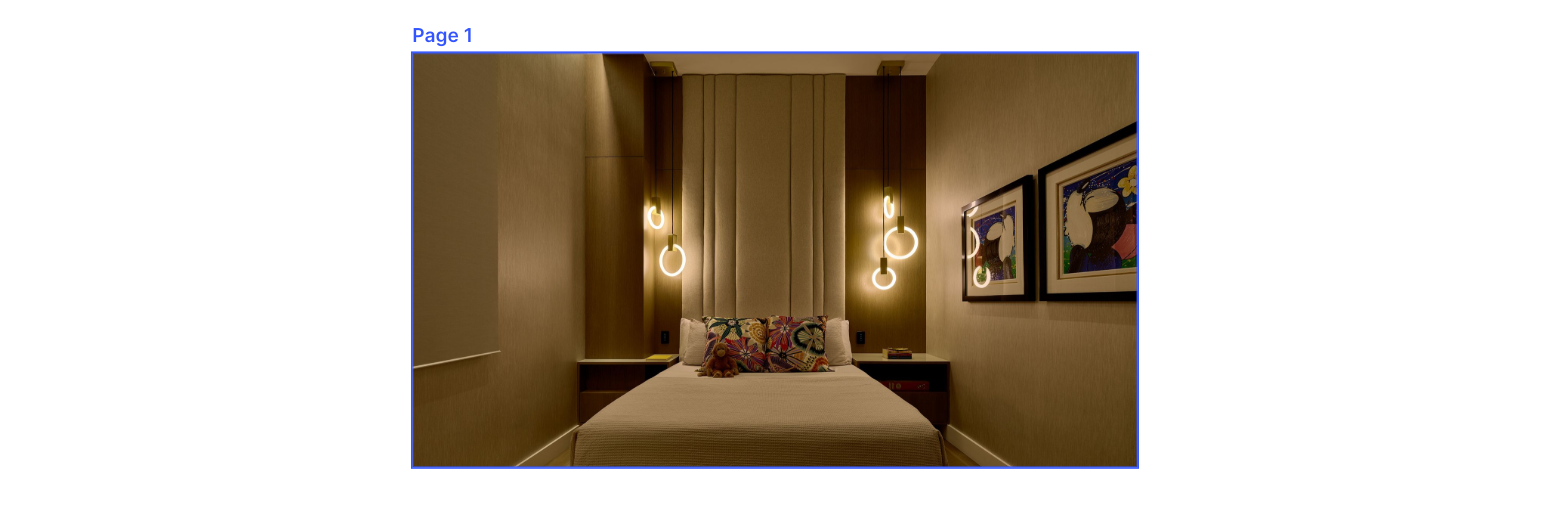
What stands out most in this project is the idea that good lighting is not just about brightness. It is about mood, color, comfort, and rhythm. Lutron’s related video summary highlights how lighting, shading, and controls shape the atmosphere throughout the home. That is a powerful reminder that lighting design is not simply a technical layer added at the end of a project. It is part of how a home feels in the morning, how colors are perceived during the day, and how spaces transition into evening.
The product mix referenced in Lutron’s indexed case-study summary points to a highly intentional solution. Ketra D3 Downlights and Ketra G2 Linear Lights support precise, high-quality illumination, while Triathlon Roman shades and elegant keypad options like Palladiom and seeTouch help unify performance and aesthetics. In a home where every finish, textile, and visual detail matters, that kind of integration is essential.
This case study also reinforces something we see often in luxury residential design: the most successful smart home systems are the ones clients barely notice. They do not distract from millwork, wallpaper, furnishings, or architecture. They make those elements look better. They reduce glare, improve comfort, simplify control, and help every room feel more intentional.
For homeowners, designers, and builders, that is the real takeaway.
Technology should not feel separate from design. It should be part of the design language.
In a home as layered and expressive as Young Huh’s Hudson Valley retreat, intelligent lighting and automated shading are not just conveniences. They are tools that support the architecture, protect the visual experience, and make the home more livable every single day. At its best, home automation is not about adding more. It is about revealing what is already beautiful.
Want to bring that same balance of beauty, comfort, and smart control into your home? Level Up Automation Montana designs lighting, shading, and control systems that elevate how your home looks and feels.